
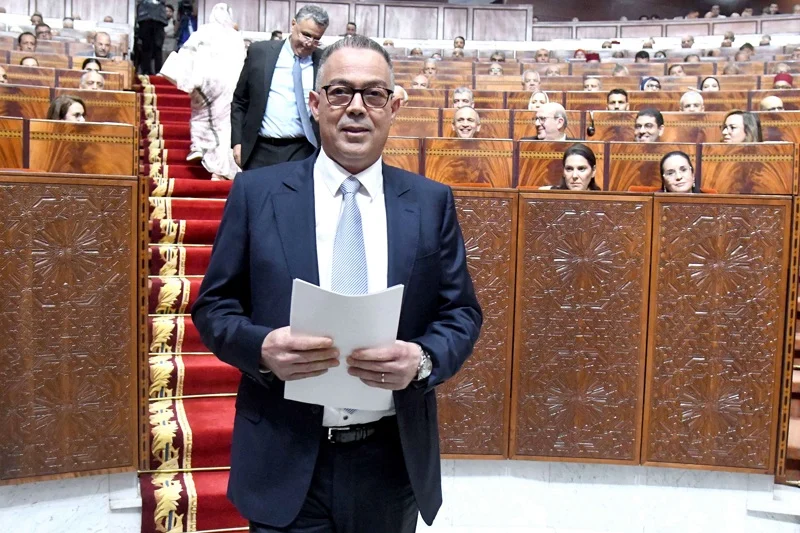
U.N. High Commissioner for Human Rights Volker Türk called Monday for stronger protections for migrants and respect for their fundamental rights, but made no mention of the recent events in Ceuta during his opening address to the 63rd session of the U.N. Human Rights Council.
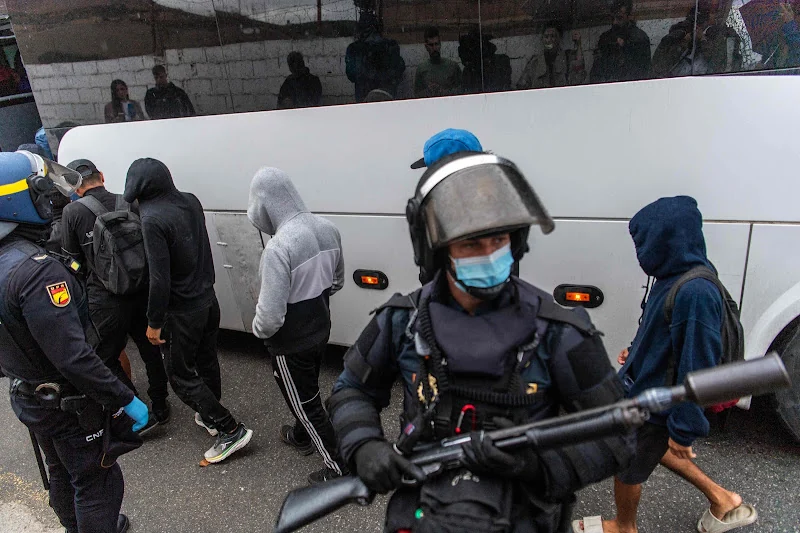
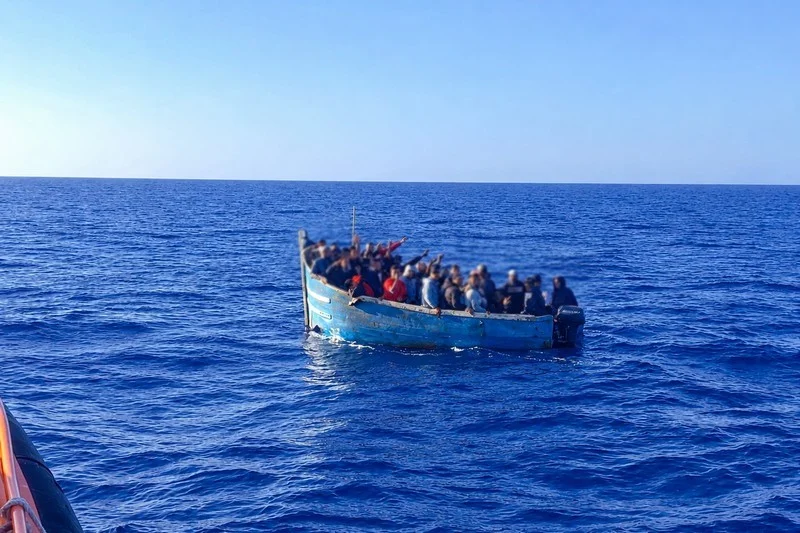
Türk devoted a significant part of his speech to migration and the need for governments to place human rights at the center of their migration policies, regardless of migrants’ legal status.
He also criticized migration policies in several countries, including the United States, where he raised concerns over deaths in immigration detention.
“Four people have died while detained by U.S. immigration authorities since June, bringing the total to 23 deaths in 2026 alone,” Türk said, calling for accountability over the deaths.
The U.N. rights chief’s remarks came as he reviewed a broad range of conflicts and human rights concerns around the world. He said more than 60 wars are currently involving at least one state, describing the figure as the highest recorded since the end of World War II.
Wars and humanitarian crises
Türk warned of the consequences of a possible resumption of hostilities between the United States and Iran, saying the geopolitical and economic effects of the conflict were being felt worldwide. He called for an immediate return to negotiations.
He also addressed the war in Ukraine, which is entering its fifth year, saying civilian casualties are rising as attacks on energy infrastructure intensify.
“The only way out of this madness is to enter peace negotiations that respect the U.N. Charter,” he said.
On Sudan, Türk condemned continuing attacks on markets, hospitals, fuel stations and other civilian infrastructure, particularly amid deteriorating conditions in Kordofan, Blue Nile and Darfur.
He called for an immediate cease-fire, an end to foreign intervention and a return to inclusive civilian rule.
Regarding the Palestinian territories, Türk said more than 1,300 Palestinians had been killed in Israeli strikes despite a cease-fire announced about a year ago, citing figures from the Palestinian Health Ministry. He also criticized restrictions on humanitarian aid and rejected proposals for the forced displacement of Palestinians from the Gaza Strip.
Türk additionally condemned what he described as dehumanizing rhetoric by some senior Israeli officials and referred to the killing and torture of Palestinians by armed groups affiliated with Hamas.
The U.N. rights chief also addressed conflicts and rights concerns in Lebanon, Yemen, South Sudan, Ethiopia, the Democratic Republic of Congo, Haiti and Myanmar, arguing that the persistence of wars reflects a failure of humanity while the pursuit of peace represents its best potential.
Concerns over Tunisia and civic freedoms
Türk cited Tunisia, alongside Albania, Argentina and India, among countries where public frustration over inequality, rising living costs, inadequate services, unemployment and corruption has spilled into the streets.
He stressed that peaceful protest, freedom of expression and access to information are essential to building trust between governments and their populations.
Instead of responding to legitimate public concerns, however, he said many governments resort to repression.
Türk cited restrictions on civic space and media freedom in countries ranging from Azerbaijan and Georgia to Russia, Tunisia and Uganda.
He said the U.N. human rights office would continue supporting transitional justice and mediation efforts, including human rights-based confidence-building measures and greater participation by women in peace processes.
He also urged governments to strengthen domestic accountability mechanisms and support the work of the International Criminal Court through universal jurisdiction when national courts are unable or unwilling to act.
AI poses new rights challenges
Türk also warned about the growing risks associated with artificial intelligence, arguing that inadequate regulation could pose an existential threat to humanity.
He criticized delays in establishing effective AI governance, saying they primarily benefit major technology companies and their owners.
Türk called for comprehensive safeguards covering AI safety and security before the technology develops beyond effective oversight. He said he would write to AI companies to encourage them to take steps within their control to reduce the risks.






add your comment
Terms of publication : Not to offend the writer, people, sacred things, or attack religions or the divine self, and refrain from racist incitement and insults.