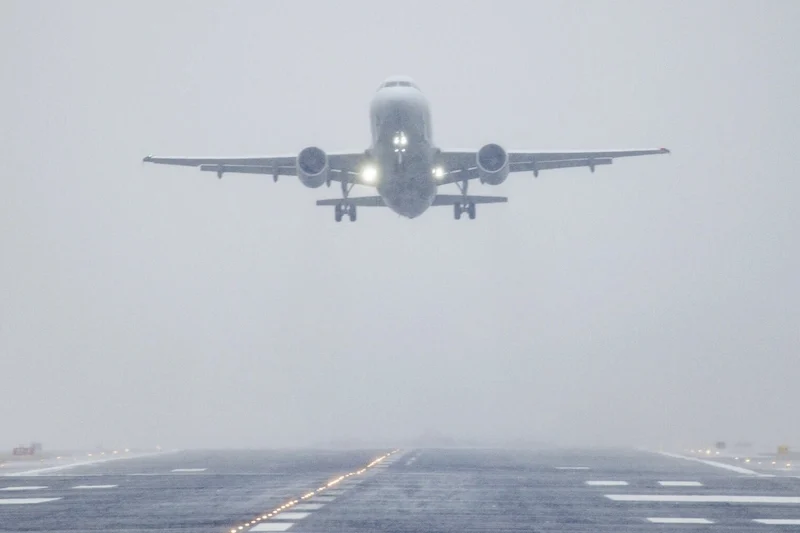
Switzerland is preparing a series of deportation flights to Morocco in the coming weeks after months of diplomatic pressure led to a sharp increase in the identification of Moroccan nationals ordered to leave the country.
The Swiss State Secretariat for Migration, known as SEM, said cooperation with Morocco has improved significantly, with the increase in identifications already translating into more forced returns.
“During the first half of 2026, the number of forced returns carried out almost reached the total for the whole of 2025,” SEM said.
The development follows years of tensions between Swiss and Moroccan authorities over the deportation of Moroccan nationals, including people convicted of crimes and minors.
According to Swiss outlet Blick, 353 Moroccan nationals currently living in Switzerland are required to leave the country. More than one-fifth of them, or 83 people, are in the canton of Bern, although only 41 have been formally identified.
Bern State Councilor Philippe Muller said identification in criminal cases can take only a few weeks, while deportation proceedings can sometimes take more than a year.
Muller has called for Switzerland to extend the maximum period of detention before deportation to at least 18 months, arguing that current rules make it difficult to prevent people from disappearing before they can be removed.
Of the 83 Moroccan nationals in Bern, 23 have disappeared, while another 14 are in pretrial detention or serving prison sentences, Muller said.
He also alleged that Morocco’s Embassy in Switzerland failed to cooperate in at least one case involving a Moroccan minor who had repeatedly come into contact with Bern police between the ages of 9 and 13.
Diplomatic pressure
Swiss authorities stepped up pressure on Morocco earlier this year, with the issue raised directly during high-level talks.
On April 24, Swiss Justice Minister Beat Jans met with Moroccan Foreign Minister Nasser Bourita.
The number of Moroccan nationals identified for return increased sharply afterward.
According to Muller, only one Moroccan national was identified between February and March. That figure rose to 185 in April, followed by 14 identifications in May and another 14 in June.
“When Morocco wants to, it carries out identifications,” Muller told Blick, arguing that Switzerland should continue applying pressure.
Cooperation continued to improve in May, when SEM Secretary of State Vincenzo Mascioli traveled to Rabat to sign an agreement on return procedures.
The agreement came as Switzerland, like other European countries, faces pressure to increase the return of rejected asylum-seekers and other people who do not have a legal right to remain in the country.
The planned deportation flights are expected to further test the improved cooperation between Swiss and Moroccan authorities, particularly as Switzerland seeks to accelerate the removal of people who have exhausted their legal right to remain.


add your comment
Terms of publication : Not to offend the writer, people, sacred things, or attack religions or the divine self, and refrain from racist incitement and insults.