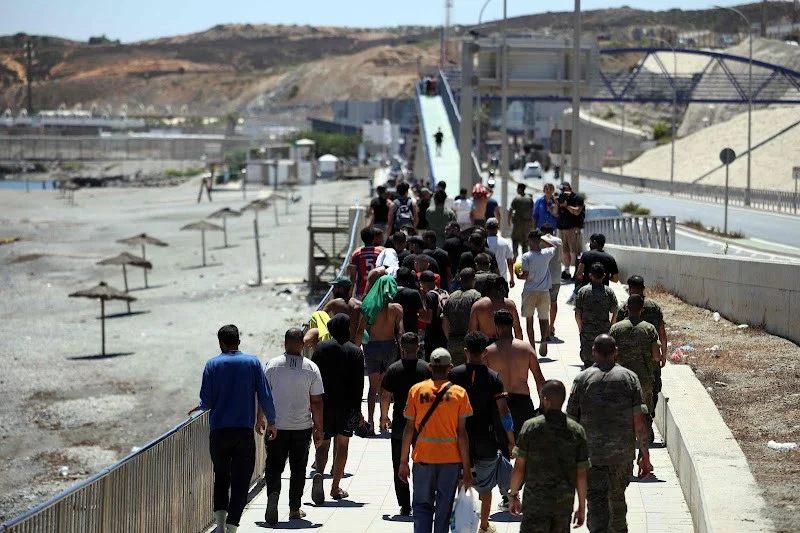
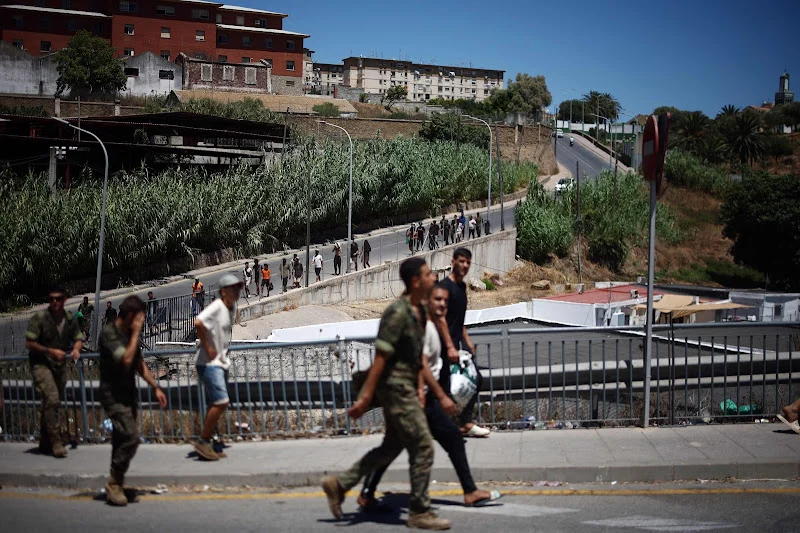
Social media messages claiming that “the border is open” may have been amplified by automated bot accounts, helping fuel the unprecedented movement of tens of thousands of young Moroccans toward the Spanish enclave of Ceuta last week, according to an investigation by Spanish newspaper El País.
The newspaper reported that while the original source of the online campaign remains unclear, many of the Facebook groups, TikTok videos, and X accounts that encouraged people to head for Ceuta disappeared almost as quickly as they appeared.
Researchers and authorities have not yet identified who launched the campaign. However, El País said the rapid spread of identical messages suggests bots or other automated accounts may have significantly amplified them.
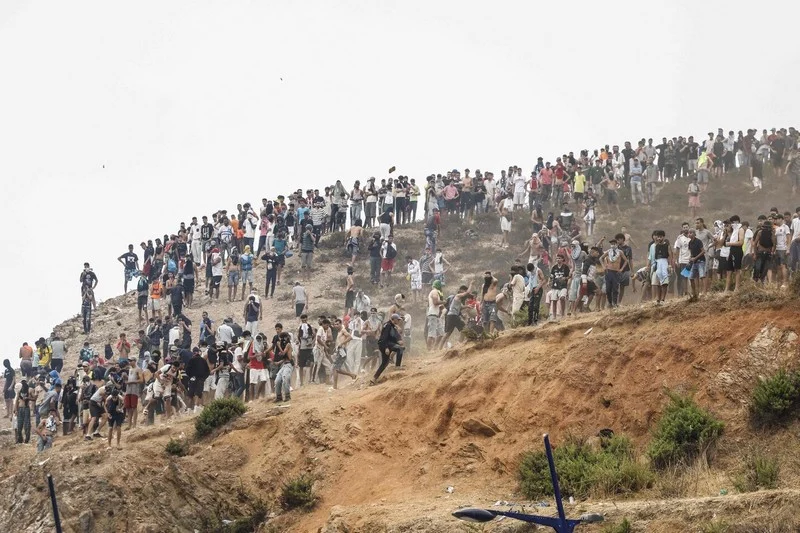
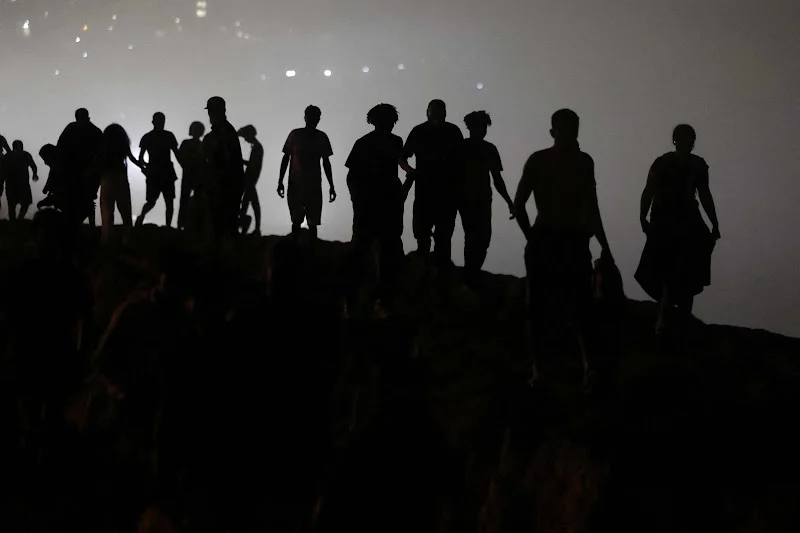
The central message circulating across platforms was simple: “The Spanish border is open and you can cross without papers.” It spread quickly through migration-focused online communities, drawing thousands of young Moroccans toward the northern border in what became one of the country’s largest migration surges in recent years.
The posts went beyond encouraging people to leave. They also provided practical guidance, including Google Maps screenshots directing users to Tarajal Beach, advice on routes with less police presence, and recommendations on where to buy wetsuits, diving goggles, fins, flotation devices, and waterproof bags for documents and mobile phones.
One of the most active online communities was a Facebook group known as Hraga Ceuta, which had more than 20,000 members before it was shut down. Similar content also appeared on TikTok, Instagram, and X, creating an interconnected network of posts that reinforced one another and spread rapidly among young users.
Many of those who responded to the online calls said it was frustration over their future—not a single viral post—that ultimately pushed them to make the journey.
El País interviewed a 23-year-old unemployed Moroccan who said messages on his phone convinced him to travel to Ceuta after losing hope of finding opportunities at home.
The digital campaign remains difficult to trace because many of the accounts involved have already disappeared.
Human rights organizations argue that the online messages found fertile ground amid growing economic frustration among Morocco’s youth. According to official statistics, more than 1.5 million Moroccans aged 15 to 25 are neither studying nor working, while the figure exceeds 4 million when extended to people up to age 35.




add your comment
Terms of publication : Not to offend the writer, people, sacred things, or attack religions or the divine self, and refrain from racist incitement and insults.