
Morocco raised its heat alert to orange on Thursday as hot Saharan air spread beyond the country’s normally scorching interior and southern provinces into northern plains and cities usually moderated by the Atlantic Ocean.
Temperatures are forecast to reach 41C to 46C across more than 20 provinces through Sunday, including Kenitra, Fez, Meknes, Marrakech, Settat and several areas in the southeast and southern regions, the General Directorate of Meteorology said.
A second band stretching along much of the Atlantic corridor, including Rabat, Casablanca, Mohammedia, El Jadida and Essaouira, is expected to record temperatures of 38C to 41C.
The breadth of the warning is more significant than the highest forecast alone. Temperatures above 40C are common during summer in Morocco’s southeast and inland south, but become more disruptive when the heat reaches densely populated northern and coastal areas where buildings, workplaces and residents are less adapted to prolonged extremes.
The current episode is running between 5C and 12C above seasonal averages, according to the weather agency. More than nine cities exceeded 40C on Wednesday, with Kenitra recording 42.2C and Salé reaching 40C. Casablanca registered a lower 33.4C, but remained unusually warm for a city normally cooled by Atlantic air.
The heat began in the southeast and southern interior before moving north during the middle of the week.
Meteorologists attribute that progression to the strengthening and northward extension of the Saharan thermal low, which is drawing hot, dry continental air across the Atlas Mountains and into central and northern Morocco.
Those easterly and southeasterly winds, known locally as the Chergui, temporarily suppress the cooling effect of Atlantic breezes. Their impact helps explain why Kenitra and Salé recorded temperatures more typical of inland areas.
The heat is intensified by the Foehn effect. As air crosses the Atlas ranges, it loses moisture before descending towards the western plains. The falling air is compressed and becomes hotter and drier, adding to temperatures in regions lying between the mountains and the Atlantic coast.
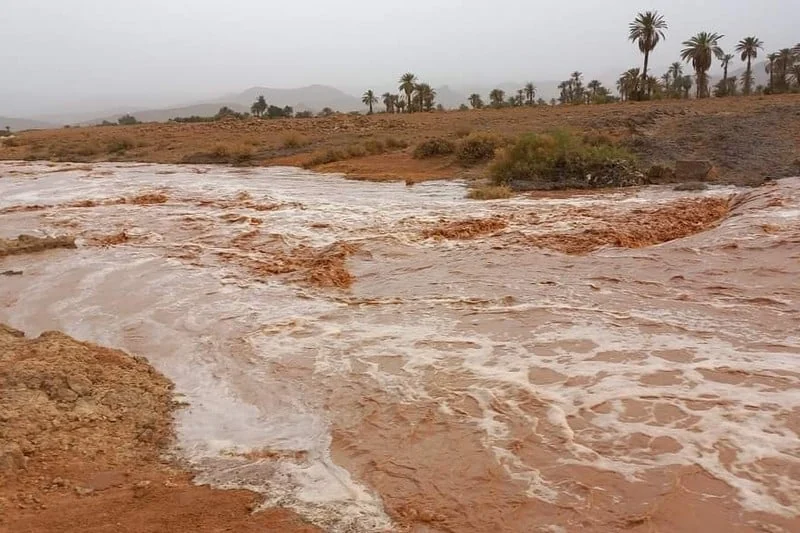
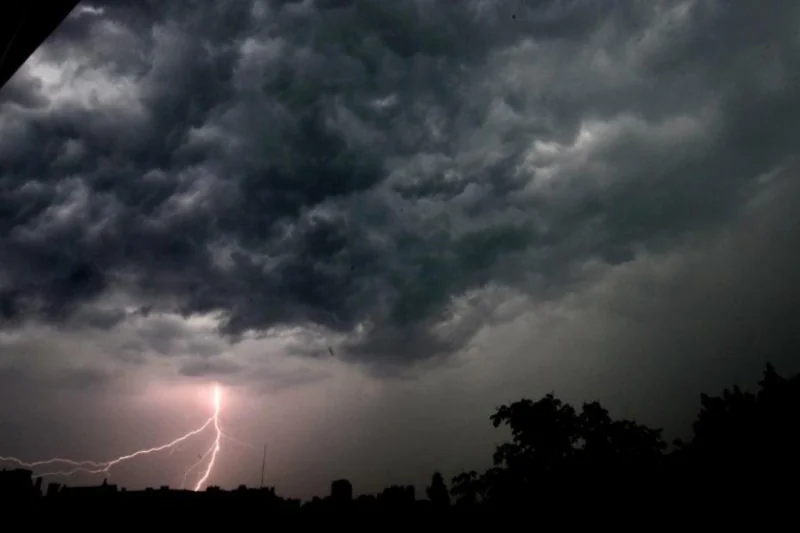
The same unstable conditions are expected to produce local thunderstorms, with 15 to 25 millimetres of rain, hail and strong gusts forecast in Chichaoua and Taroudant on Thursday. Such storms may provide brief local relief but do not indicate the wider heatwave is ending.
The orange alert signifies a significa




add your comment
Terms of publication : Not to offend the writer, people, sacred things, or attack religions or the divine self, and refrain from racist incitement and insults.