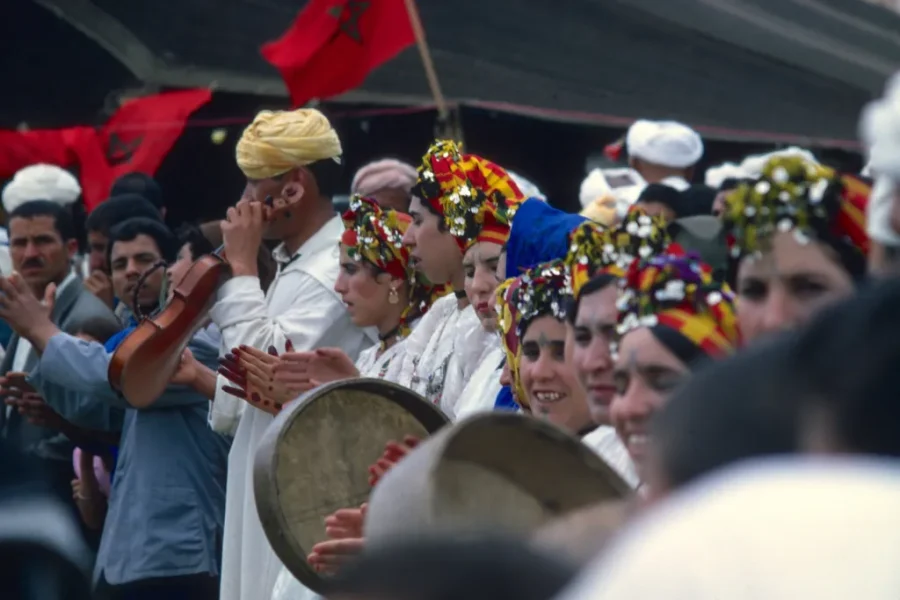
Each June, Sefrou crowns a cherry queen. She is dressed for ceremony, surrounded by music and carried through streets that have repeated the ritual for generations; this year, from 24 to 27 June, the city is doing it for the 102nd time.
The festival is now promoted as one of Morocco’s oldest living traditions, even though it was originally created by a French colonial official.
Pierre Séguy, then governor of Sefrou, launched the celebration in 1920 after taking inspiration from a cherry festival near Toulouse. The first version featured a straw doll dressed in a Moroccan caftan and paraded through the city. By 1934, the doll had been replaced by a real woman, crowned the Reine des Cerises, or Cherry Queen, creating the spectacle that still defines the festival.
Many events created under the French protectorate disappeared after independence, but Sefrou’s festival followed a different path, remaining in place while gradually losing the political purpose for which it had been created.
“The Sefrou festival was not a unique anomaly,” a Moroccan historian and sociologist told Hespress English. It belonged, he said, to a broader colonial strategy associated with Resident-General Hubert Lyautey, whose administration used agricultural fairs and cultural displays to promote the supposed achievements of the protectorate.
The cherries, costumes and crowds gave the celebration a distinctly local appearance, even as it served a colonial narrative.
Known as the “exhibition policy”, this strategy turned crops, crafts and public ceremonies into demonstrations of French rule’s claimed benefits. Sefrou’s festival “fitted perfectly into this framework of promoting the achievements made by the protectorate”, the researcher said.
Independence in 1956 did not immediately dismantle these structures. “The protectorate did not simply end in 1956,” he said. “A true rupture requires many years.”
He points to the sociologist Paul Pascon’s description of Morocco as a society of “composite structures”, where pre-colonial practices, colonial institutions and post-independence adaptations overlap rather than replacing one another entirely. The cherry festival, colonial in origin but reshaped over time, reflects this layered history.
Its survival was not driven by nostalgia for the protectorate, but by its connection to local agriculture.
Sefrou was already closely linked to the el-beldi cherry, a local variety grown in orchards around the city and sold through an agricultural economy that gave the festival a purpose beyond its colonial origins. Growers, residents, craftspeople and performers continued to engage with the event even after the administration that created it had disappeared.
Over time, the city reshaped the festival to reflect its own identity. The cherry queen remained, but the meaning surrounding her evolved; what had once served to display colonial authority became a celebration of local production, civic pride and popular culture.
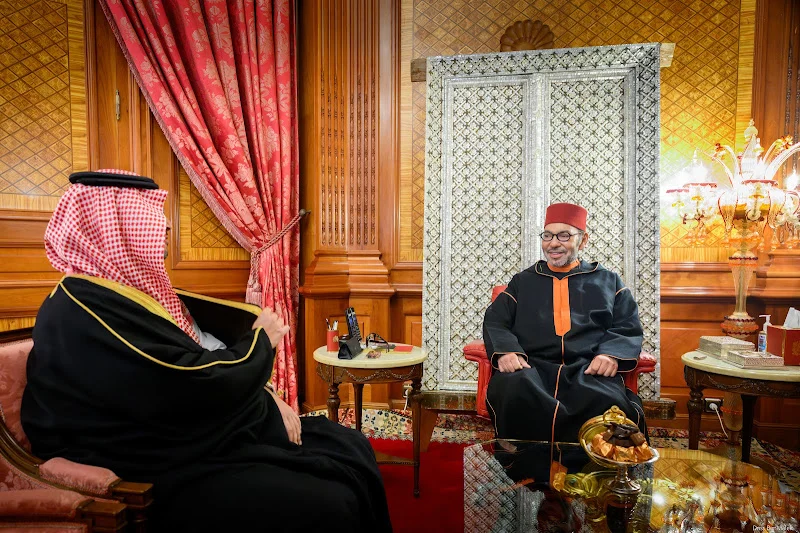
This transformation was later formally recognised. King Mohammed VI granted the festival royal patronage in 2010, and in 2012 Unesco placed it on its Representative List of the Intangible Cultural Heritage of Humanity.






add your comment
Terms of publication : Not to offend the writer, people, sacred things, or attack religions or the divine self, and refrain from racist incitement and insults.