
A Moroccan agricultural workers’ organization has called for stronger protections for seasonal female farmworkers employed in Spain after reports that a Moroccan worker died last weekend while working on a strawberry farm in the southern Spanish province of Huelva.
The women’s branch of the agricultural sector within the National Agricultural Sector Union, affiliated with the Moroccan Labor Union, said it had received information indicating that the worker died from heatstroke amid extremely high temperatures.
In a statement, the organization said the reported cause of death was similar to that of another Moroccan seasonal farmworker who died under comparable circumstances in 2019.
The union condemned what it described as violations, discrimination and unsafe working conditions affecting Moroccan seasonal workers in Huelva’s strawberry fields, urging Moroccan and Spanish authorities to take measures to protect workers’ safety, dignity and labor rights.
“The working conditions faced by agricultural workers in Huelva, which have now reportedly led to loss of life, as well as their living conditions, cannot be ignored,” the organization said.
The group noted that it had previously raised concerns with relevant authorities and advocated for improved protections for Moroccan seasonal workers but said those efforts had produced little change.
The union called on Morocco’s Ministry of Economic Inclusion, Small Business, Employment and Skills and the National Agency for Employment and Skills Promotion to work with Spanish authorities to ensure strict enforcement of labor agreements and international conventions, including standards established by the International Labour Organization.
The organization also urged authorities to guarantee decent working and living conditions for rural women and agricultural laborers, arguing that stronger protections could help reduce economic vulnerability and the need to seek employment abroad under difficult circumstances.
Khadija Ghamri, secretary-general of the women’s agricultural workers’ organization, said Moroccan workers in Huelva continue to face difficult conditions, including overcrowded accommodations and limited access to sanitary facilities.
She also alleged that some workers are denied the right to union representation and face unequal treatment compared with Spanish employees.
Ghamri said labor organizations have continued to monitor conditions in Spanish agricultural fields and recently conducted visits in coordination with local Spanish unions to assess the situation of Moroccan workers.
She argued that economic hardship and limited employment opportunities in Morocco continue to drive many women to participate in seasonal labor programs in Spain, stressing that their dignity and labor rights should be protected wherever they choose to work.
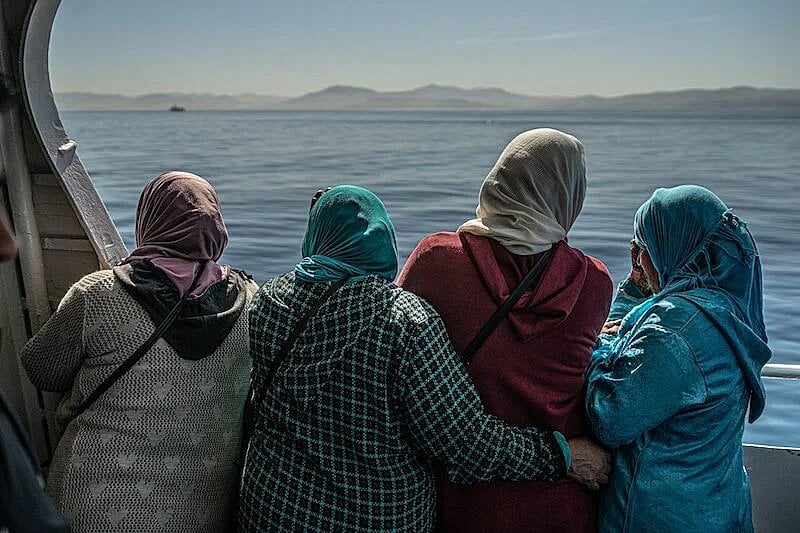
Spain’s agricultural sector relies heavily on seasonal foreign labor during harvest periods, with thousands of Moroccan women traveling annually under temporary employment agreements to work in fruit and vegetable production, particularly in the Huelva region, one of Europe’s largest strawberry-growing areas.




add your comment
Terms of publication : Not to offend the writer, people, sacred things, or attack religions or the divine self, and refrain from racist incitement and insults.