
A Moroccan labor union is calling on the government to rethink how public holidays are managed during Eid celebrations, saying current rules leave many workers exhausted, stressed and unable to properly spend time with their families.
The call came from the National Labor Union of Morocco, which is urging authorities to introduce exceptional leave for employees in both the public and private sectors during Eid al-Fitr and Eid al-Adha. The proposal would ideally begin with the upcoming Eid al-Adha holiday, one of the busiest travel periods of the year in Morocco.
Union-backed lawmaker Khalid Satti raised the issue in a written question to the head of government, arguing that Moroccans face the same challenges every Eid season. Millions of people travel to their hometowns and villages to celebrate with relatives, placing heavy pressure on buses, trains and highways. For workers living far from their families, the short holiday period often turns into a race against time.
Instead of enjoying the celebration, many spend long hours traveling or stuck in crowded stations. In some cases, people return to work immediately after Eid, exhausted from overnight trips and heavy traffic.
Satti said extending the holiday period would help people celebrate “in humane and suitable social conditions,” while reducing stress linked to transportation and tight schedules. He added that additional leave could improve workers’ mental well-being and productivity upon returning to their jobs.
Eid al-Fitr and Eid al-Adha hold major religious and cultural significance in Morocco. Families traditionally gather for shared meals, prayers and visits to relatives, especially older family members in rural areas.
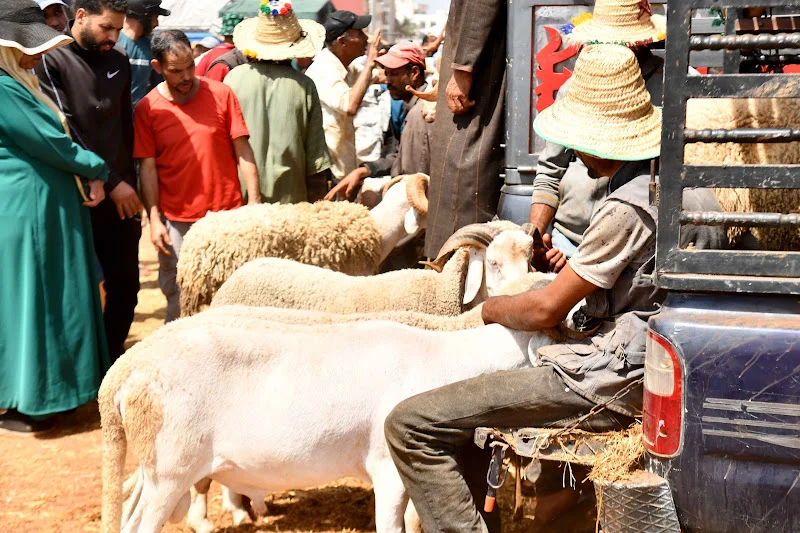
Eid al-Adha, in particular, often involves longer trips, as many Moroccans return to their hometowns for family gatherings linked to the holiday’s sacrifice tradition.
The debate over holiday schedules resurfaces almost every year in Morocco, especially as transport prices rise and roads become increasingly crowded during festive periods. Social media users frequently complain about limited leave, expensive tickets and the difficulty of balancing work obligations with family traditions.
Supporters of the proposal say longer Eid breaks could also benefit local economies. During holiday periods, many smaller towns and rural areas see increased business activity as families spend money on food, transportation, clothing and celebrations.
The government has not yet announced whether it plans to revise the current holiday system, but the union says the issue reflects broader social expectations among Moroccan workers, who want more time to celebrate major religious events with dignity and less pressure.





add your comment
Terms of publication : Not to offend the writer, people, sacred things, or attack religions or the divine self, and refrain from racist incitement and insults.