
The United States is stepping up diplomatic efforts to revive the political process surrounding the Moroccan Sahara, with new consultations aimed at advancing a negotiated solution under United Nations supervision, according to a report by Spanish newspaper El País.
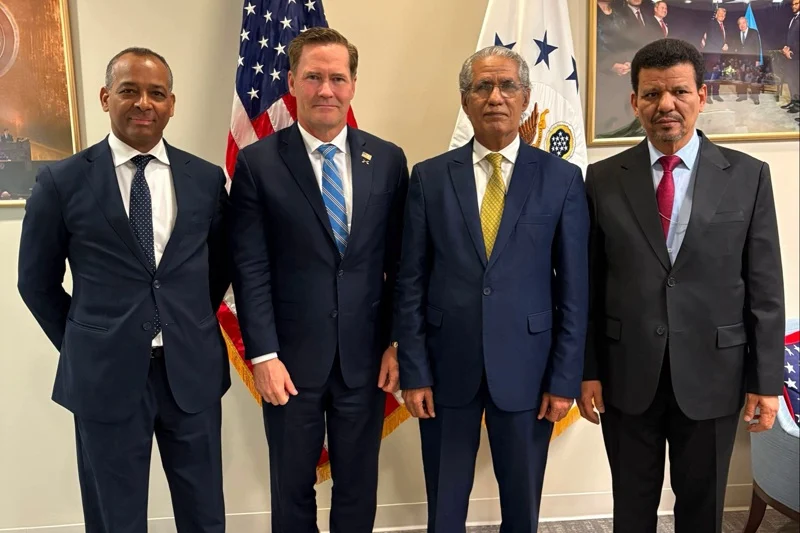
A new round of talks is expected to take place in Washington, D.C. later this month as part of efforts to implement UN Security Council Resolution 2797, adopted in late October.
The push comes as the UN Security Council reviewed the performance of the UN mission in the Sahara during the final week of April, as part of a broader strategic assessment ahead of a decision on its mandate renewal due in October.
The mission, established more than three decades ago, is facing growing scrutiny over its effectiveness and operational costs, which reportedly reached about 58 million euros last year.
According to the report, discussions within the United Nations include potential reductions in personnel and spending as part of efforts to adapt the mission to evolving political dynamics.
In parallel, the United States is said to be leading quiet mediation efforts between Morocco and Algeria, following preliminary meetings held in Madrid and Washington.
The objective is to reach a framework agreement before October that could pave the way for direct negotiations between the concerned parties, based on Morocco’s autonomy proposal.
This diplomatic push coincides with a regional tour by Christopher Landau, who recently visited both Morocco and Algeria.
Analysts say recent security incidents near Smara may reflect attempts to disrupt renewed diplomatic momentum.
Mohamed El Ghaith Ma El Ainin, deputy head of the Moroccan Center for Parallel Diplomacy and Dialogue of Civilizations, said such developments align with a pattern of escalating tensions whenever prospects for a political breakthrough emerge.
He argued that the timing of the incident suggests an effort to undermine new diplomatic initiatives led by Washington.
Salk Rahal, spokesperson for the Sahrawis for Peace movement, said the limited flow of information surrounding recent developments reflects a deliberate strategy by the United States to conduct negotiations discreetly.
He said confidentiality can help create conditions conducive to compromise by shielding talks from public and media pressure.
Rahal added that the future of the UN mission may depend on the outcome of the current phase, particularly as the Security Council calls for adapting its role to anticipated political developments.
With a key UN deadline approaching, observers say the coming months could prove decisive in determining whether renewed diplomatic efforts can break one of the region’s longest-running disputes.




add your comment
Terms of publication : Not to offend the writer, people, sacred things, or attack religions or the divine self, and refrain from racist incitement and insults.