
Morocco’s government says about 4.25 million employees and workers have benefited from wage increases and social measures introduced under this year’s round of social dialogue, as officials defended what they described as an unprecedented public effort to improve purchasing power.
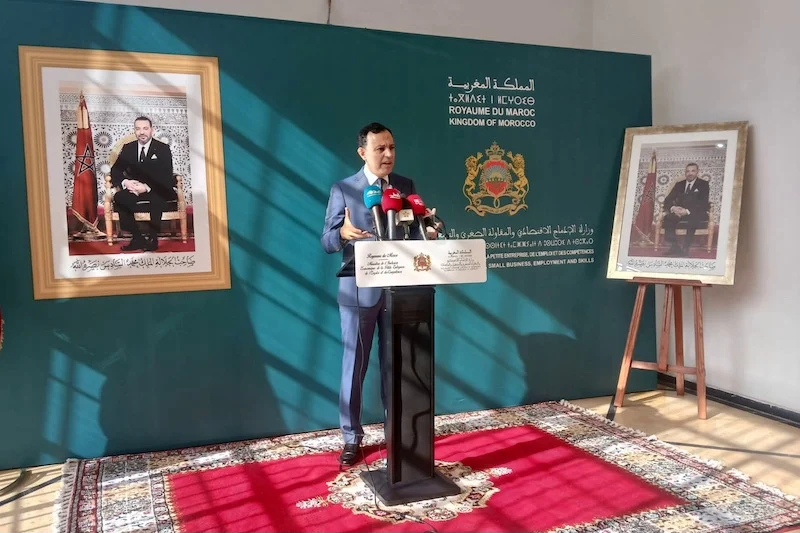
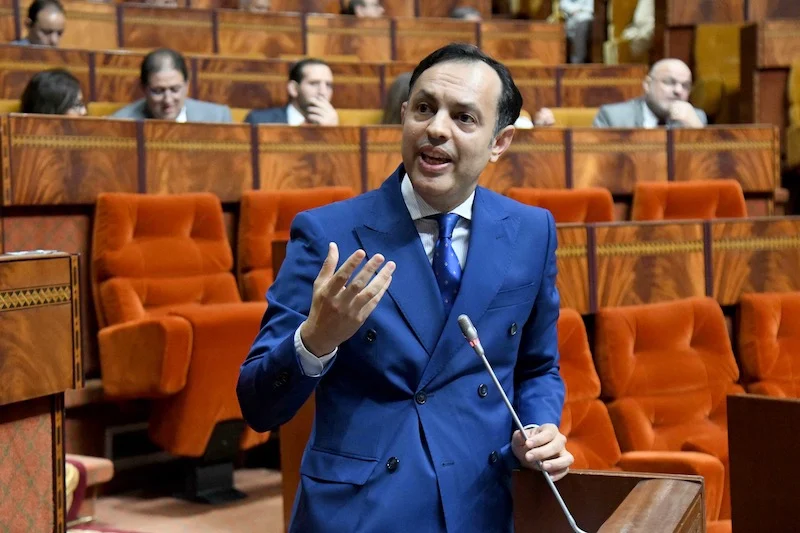
Speaking during the weekly oral questions session at the House of Representatives on Monday, Minister of Economic Inclusion, Small Business, Employment and Skills Younes Sekkouri said 3 million beneficiaries were from the private sector and 1.25 million from the public sector.
“These figures reflect the scale of an unprecedented public intervention,” Sekkouri said, adding that the government was fulfilling its constitutional and legal responsibilities by conducting negotiations with the most representative labor unions at the national level.
He rejected opposition accusations that some unions had been excluded from the social dialogue process, insisting that the government had acted within the legal framework.
Sekkouri said the government adopted an approach focused on expanding access to benefits, improving incomes and resolving long-standing labor disputes, including issues in the education sector.
He pointed to the decline in protests among teachers as evidence of progress, saying problems affecting tens of thousands of employees had been addressed.
The minister described the country’s recent economic and social context as exceptional, requiring exceptional measures, and said the financial cost and number of beneficiaries made this phase one of the most significant moments in Morocco’s social policy history.
According to Sekkouri, the total cost of the social dialogue outcomes is expected to reach nearly 49.7 billion dirhams ($5 billion) by the end of this year and the beginning of next year.
He said the funds were allocated to support household purchasing power and improve the living conditions of broad segments of the population.
Among the measures cited by the minister was an increase in the minimum wage in the non-agricultural sector from 14.81 dirhams to 17.90 dirhams per hour, along with a rise in the monthly minimum wage and an increase in the agricultural minimum wage from 1,900 dirhams to 2,400 dirhams.
He also highlighted a general salary increase of 1,000 dirhams for public sector employees, as well as additional raises in specific sectors, particularly education, where around 325,000 employees are expected to benefit from increases ranging between 1,500 and 5,000 dirhams.
Sekkouri said private sector workers also benefited from income tax revisions that increased average income by about 400 dirhams, in addition to pension reform measures lowering the minimum contribution threshold required to access retirement benefits from 3,240 days to 1,320 days.
As part of the April round of dialogue, the government also plans to amend Article 193 of the Labor Code to improve working conditions for private security guards, particularly regarding working hours.
The minister said the reforms reflected an exceptional government effort during difficult circumstances and argued that the final judgment of the government’s performance would rest with Moroccan citizens.
He also announced further progress for other professional categories, including plans to issue a special status framework for labor inspectors this year and accelerate discussions concerning engineers, administrators and technicians.





add your comment
Terms of publication : Not to offend the writer, people, sacred things, or attack religions or the divine self, and refrain from racist incitement and insults.