Rising energy costs remain one of the most decisive factors affecting food prices in Morocco, as higher energy expenses directly drive up the cost of food for consumers, a senior Agriculture Ministry official said Saturday.
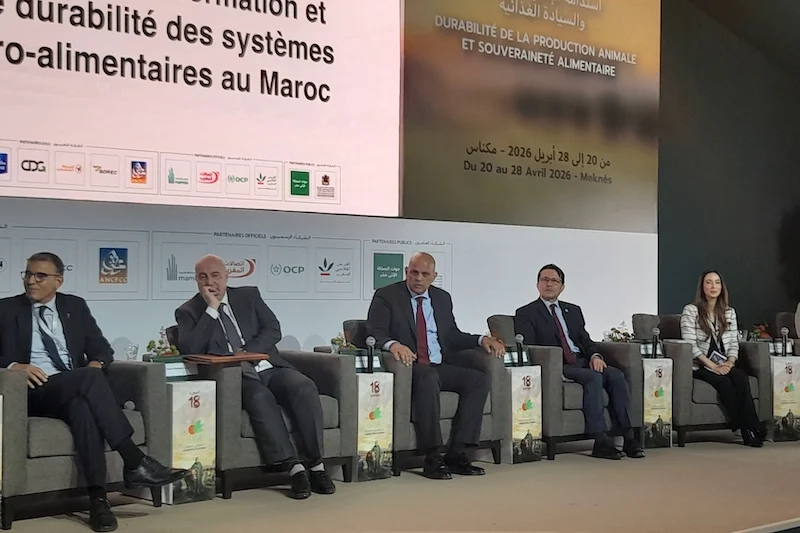
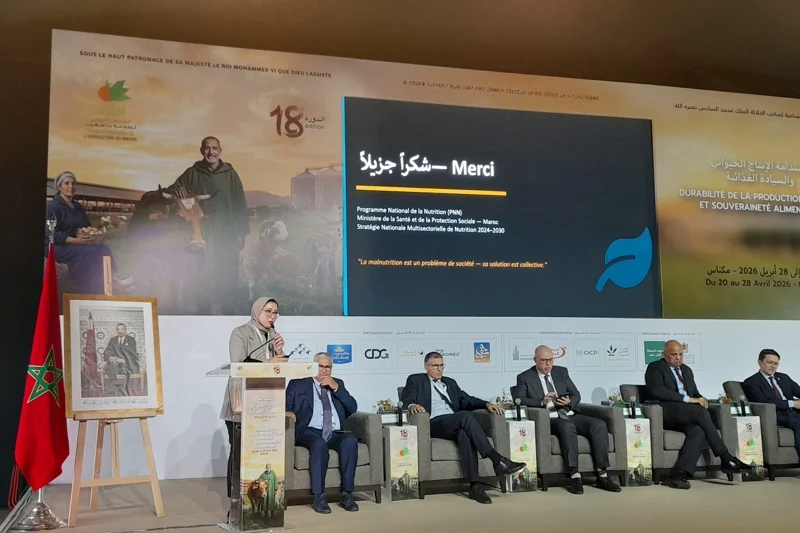
Speaking on the sidelines of the 18th International Agriculture Fair in Meknes, Abdessalam Ziad, director of strategy and statistics at the Ministry of Agriculture, Fisheries, Rural Development, Water and Forests, said Morocco’s food system has been under heavy pressure since 2019 due to a succession of overlapping crises.
“Energy remains one of the most critical factors in the food system, and any increase in its cost is reflected in food prices,” Ziad said.
He pointed to a combination of drought, the COVID-19 pandemic and the Russia-Ukraine war as major shocks that have strained Morocco’s food security and raised concerns about the resilience of national food systems.
Ziad said climate-related disruptions, including rising temperatures, extreme weather events and worsening freshwater scarcity, have had a direct impact on agricultural production across the country.
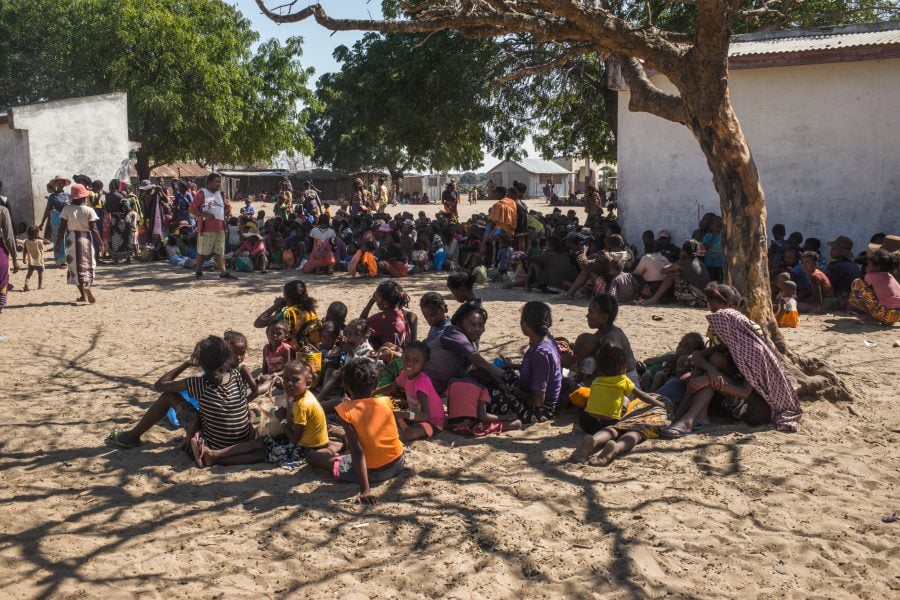
Citing figures from Morocco’s High Commission for Planning, he said the impact of these crises has varied across social groups, with low-income households suffering the most.
He noted that poorer families often spend up to half of their income on food, making them far more vulnerable to inflation than wealthier households.
“These are the people who have already faced major difficulties coping with rising prices, and public authorities must find solutions for them, including support measures, incentives and better market regulation,” he said.
Despite these pressures, Ziad said Morocco has the capacity to overcome current challenges and maintain food security, stressing that the government’s role is not direct production but supporting farmers and professionals through public and private financing, as well as addressing water-related constraints.
He also highlighted demographic challenges in rural Morocco, where farmers are aging and fewer young people are willing to remain in agriculture.
“Our farmers are getting older, and we must prepare the next generation,” he said. “Unfortunately, young people are less motivated to work in this sector because it is less attractive, less profitable and physically demanding.”
He said Morocco’s Green Morocco Plan and Green Generation strategy include measures aimed at supporting new investors and improving the sector’s long-term sustainability.
Alexandre Huynh, Morocco representative of the U.N. Food and Agriculture Organization, said transforming food systems remains highly complex due to climate change, drought and external shocks affecting agricultural production.
Still, he said Morocco is making notable progress and has drawn international attention for its approach, particularly through joint programs with the World Bank and FAO.
Huynh added that with the global population expected to reach nearly 10 billion by 2050, demand for both the quantity and quality of food will increase significantly, making adaptation essential.
He said the focus has shifted from simple value chains to strengthening the resilience of the entire agri-food system by linking all sectors and stakeholders that influence food production and agriculture.
Huynh praised Morocco’s “Green Generation” strategy, saying it provides a clear vision for resilience and could help position the country as a model for South-South cooperation in agricultural transformation.






add your comment
Terms of publication : Not to offend the writer, people, sacred things, or attack religions or the divine self, and refrain from racist incitement and insults.