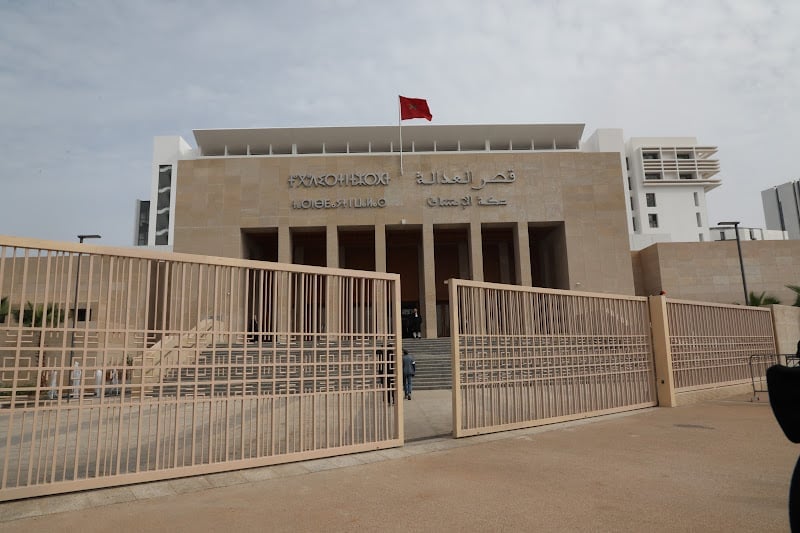
Morocco’s long-awaited overhaul of the penal code is unlikely to be tabled in parliament during the current legislative term, Justice Minister Abdellatif Ouahbi said, citing unresolved divisions over key provisions that continue to stall one of the country’s most sensitive legal reforms.
Speaking during a parliamentary session, Ouahbi said the draft remains under preparation and faces “deep divergences” in approach and substance, adding that some issues involve “limits that cannot be exceeded,” making consensus difficult before the end of the legislative cycle.
The delay leaves in place a legal framework that dates back to 1962, when Morocco adopted its current penal code shortly after independence. The code defines crimes and penalties across the system and has been amended repeatedly over decades, including provisions on terrorism, cybercrime and violence against women, but has never been comprehensively rewritten.
That gap has turned successive reform attempts into political flashpoints. A major draft introduced in 2015 triggered prolonged debate over issues ranging from individual freedoms to morality-related offences, exposing divisions that continue to shape discussions today.
Ouahbi said current debates cover a wide range of offences, including begging, torture and online financial crime, reflecting the difficulty of adapting the law to evolving forms of criminal activity. He added that proposals under consideration include introducing penalties for what he described as “water crimes,” targeting misuse of water resources amid growing scarcity pressures.
The stalled penal code reform contrasts with progress in other areas of the justice system. Morocco has recently moved forward with updates to criminal procedure, focusing on trial processes, detention rules and alternative sentencing, part of a broader effort to modernise judicial practice without reopening more politically sensitive questions tied to the penal code itself.
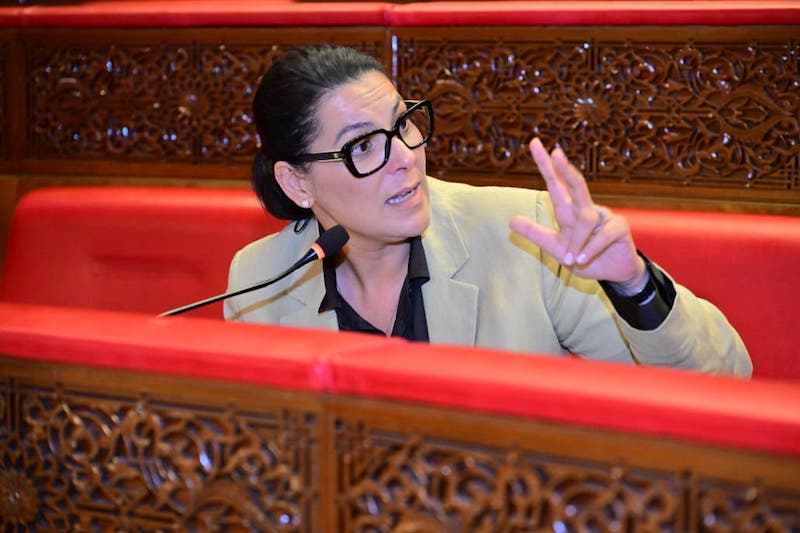
Lawmaker Fedwa Mohsen El Hayani said rising crime levels were raising concerns about the effectiveness of the current legal framework, warning that delays in reform could affect public confidence.
“The current reality, marked by rising crime, raises real questions about the effectiveness of the penal system,” she said, adding that parliament was still waiting for the revised draft after the government withdrew a previous version without resubmitting it.









add your comment
Terms of publication : Not to offend the writer, people, sacred things, or attack religions or the divine self, and refrain from racist incitement and insults.