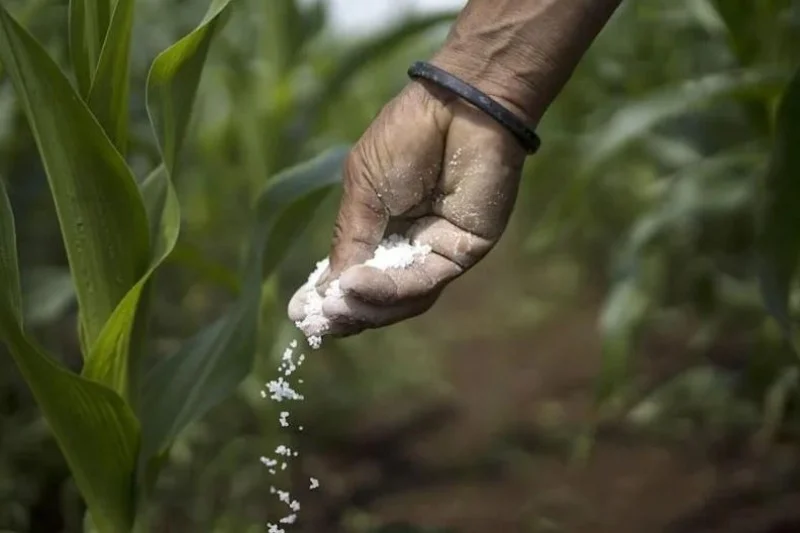
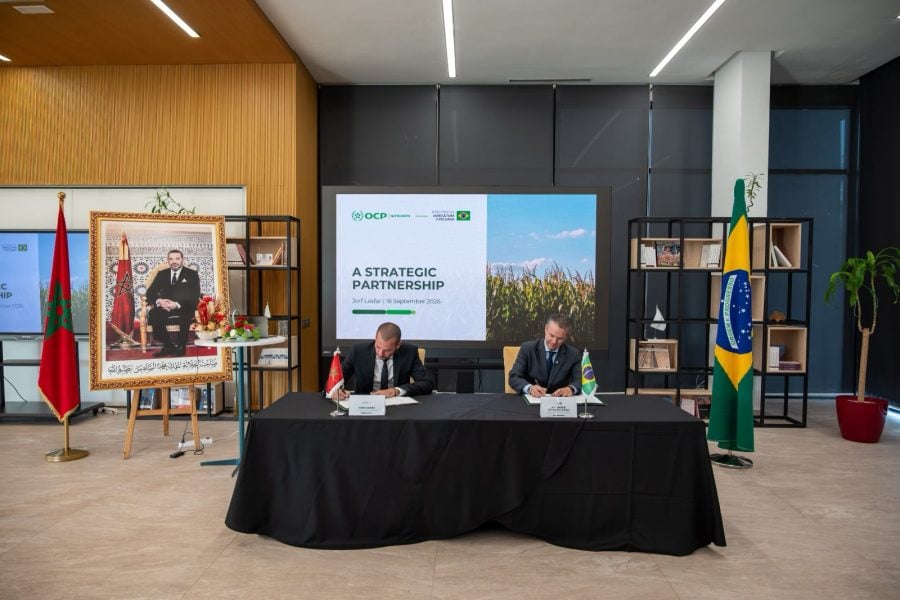
The U.S. is stepping up talks with Morocco about buying more fertilizer as American farmers are staring down higher prices and tighter supplies tied to global conflict, a top White House economic adviser said Tuesday.
Kevin Hassett, who advises the White House on economic issues, said discussions with Morocco are part of a broader push to find reliable fertilizer sources so U.S. farmers aren’t left out in the cold.
Hassett called it an “insurance policy” against disruption, even if it won’t instantly fix all the problems growers are facing.
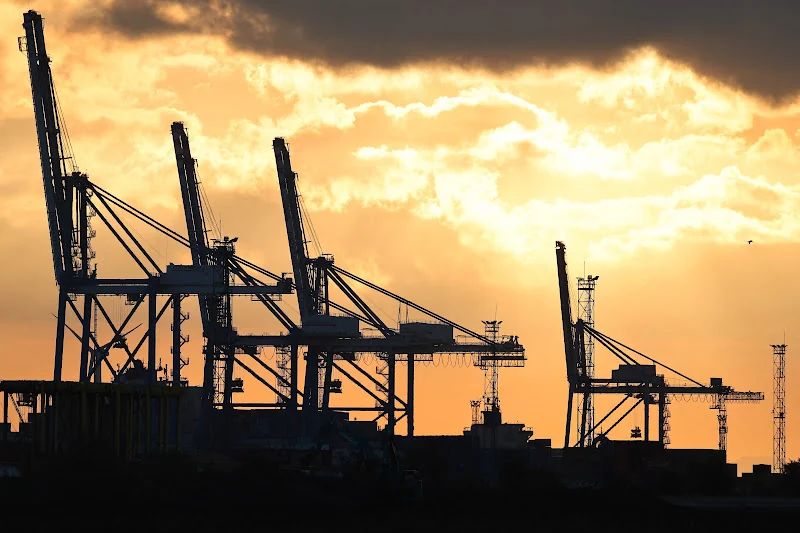
Farmers rely on fertilizer for spring planting, and the war involving the United States, Israel and Iran has snarled key shipping routes known for moving nitrogen‑based products.
That has pushed prices up by more than a third in recent weeks and left some farmers scrambling to lock in what they need.
The United States doesn’t have a large government stockpile of fertilizer like it does for oil. There’s no “Strategic Fertilizer Reserve,” so most fertilizer flows through private supply chains and gets used quickly.
The U.S. gets about 15% of its fertilizer from the Middle East. That region also pumps out roughly half of the world’s urea and about a third of all ammonia.
Meanwhile Morocco sits on vast deposits of phosphate, a mineral turned into phosphorus, which is essential for plant growth and a core ingredient in many fertilizers.
Morocco holds the largest share of the world’s phosphate reserves, roughly 70% of what’s known globally, and is a giant in the fertilizer market thanks to state‑owned producers like the OCP Group.
Those rich phosphate reserves give Morocco a special role in global food systems. Nearly every crop from corn to vegetables needs phosphate to thrive, making the material critical to food production everywhere.
Washington is working to ease rules that could make it simpler to bring in fertilizer from other places such as Venezuela, part of an effort to diversify where the U.S. gets these critical supplies.
Talks with Morocco don’t guarantee new shipments anytime soon. Moving fertilizer from mines into barges, across oceans and onto American farms can take months.





add your comment
Terms of publication : Not to offend the writer, people, sacred things, or attack religions or the divine self, and refrain from racist incitement and insults.