
Amid evolving regional security dynamics in North Africa, Morocco is undergoing a notable shift in its military doctrine, focusing on building a comprehensive deterrence system that combines technological superiority with operational readiness.
A recent report by the Stockholm International Peace Research Institute found that Morocco increased its defense imports by 12% between 2016 and 2025, maintaining its share of the global arms market.
Analysts say the shift goes beyond strengthening traditional military capabilities, reflecting a broader strategy aimed at adapting to modern warfare dynamics. Information superiority, interoperability with allies and the development of a domestic defense industry have become key priorities for the kingdom’s armed forces.
Hicham Moutaddid said Morocco’s recent pace of military acquisitions should be viewed within a broader transformation of the country’s security doctrine.
“The kingdom is gradually moving from a traditional defensive posture toward a multi-domain deterrence strategy,” he stated in a statement to Hespress AR, adding that Morocco is seeking to build a system combining technological advantages, operational readiness and the ability to work jointly with allies.
According to Moutaddid, Morocco’s strategy emphasizes qualitative superiority rather than numerical strength, focusing on integrating advanced technologies into its military structure. These include digital command-and-control systems, cyber-enhanced intelligence capabilities and long-range surveillance and reconnaissance platforms.
“The goal is not simply to modernize the arsenal but to create an operational environment capable of generating information superiority on the battlefield,” he said, describing this as a decisive factor in contemporary warfare.
Analysts say Morocco appears to be prioritizing three key strategic domains. The first is air superiority, through modernization of fighter aircraft fleets and the strengthening of layered air defense systems.
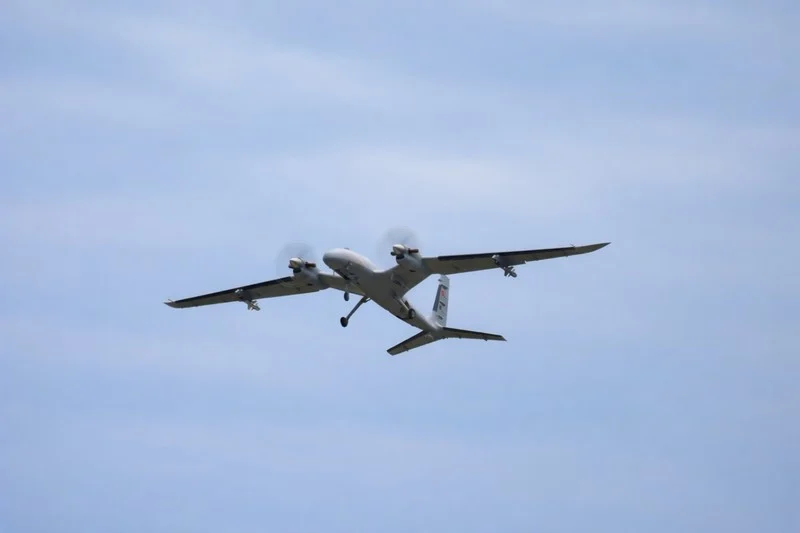
The second involves expanding the use of drones and electronic warfare capabilities, which have become central tools in modern conflict management.
The third priority is naval power, particularly given the growing importance of maritime security across the Atlantic and Mediterranean regions, including the protection of commercial routes and strategic infrastructure.
Morocco’s approach reflects the need for a flexible deterrence system capable of operating across multiple domains, namely land, air, sea and cyberspace, analysts say.
Mohamed Chakir said the Moroccan military has recently focused on strengthening air capabilities through the acquisition of advanced aircraft capable of conducting precision reconnaissance and strike missions.
“These aircraft represent not only a deterrent force but also allow the Royal Armed Forces to control the airspace and secure national skies,” he said.
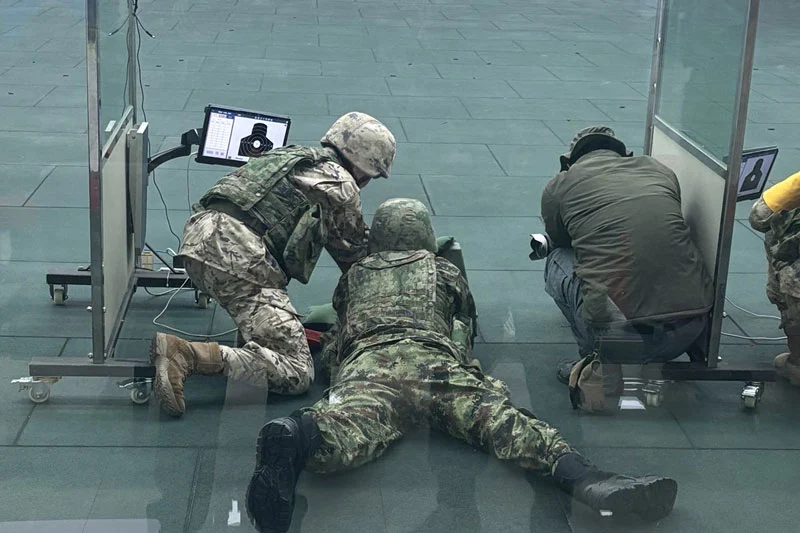
Chakir added that Morocco is also reinforcing its ground forces by acquiring advanced armored vehicles and tanks, including the M1A1 Abrams battle tank, as part of defense partnerships with several countries.
Meanwhile, Morocco has sought to strengthen its naval forces through the acquisition of modern frigates and patrol vessels, addressing gaps that had developed in previous decades and responding to growing concerns over maritime security threats such as smuggling and illegal maritime activities.
Analysts also highlight Morocco’s efforts to develop a domestic defense industry as part of its long-term strategy.
The country has launched cooperation programs with international partners, including India, aimed at transferring technology and building local capacity to produce advanced military components.
Chakir noted that regional dynamics, particularly military developments in neighboring Algeria, add pressure on Morocco to continue monitoring the balance of power. However, he said Morocco’s defense policy remains measured.
“Morocco does not engage in a random arms race,” he said. “Instead, it focuses on acquiring equipment that directly supports its national military doctrine and strategic needs.”
Analysts say Morocco’s geographic position, at the crossroads of the Mediterranean, Atlantic and Sahel regions, has made it increasingly aware that national security now depends not only on land-based balance in the Maghreb but also on the ability to secure maritime and airspace domains and address cross-border threats.







add your comment
Terms of publication : Not to offend the writer, people, sacred things, or attack religions or the divine self, and refrain from racist incitement and insults.