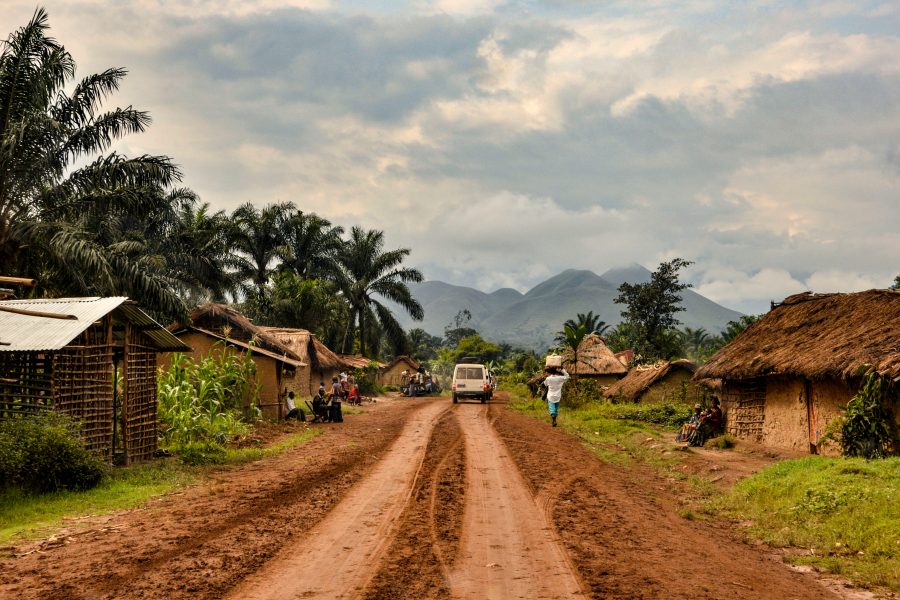
My trip to the war-torn province of North Kivu, in the Democratic Republic of Congo, was by far the harshest human experience of my life. It was also by all measures an eye-opener.
When I arrived in the province’s chief town, Goma, back in 2007, the agglomeration looked more like a disenfranchised suburb, with a central marketplace that could be assimilated to a “downtown” and a couple of one-level administrative buildings.
A decade earlier, when the “The all-powerful warrior… leaving fire in his wake”, Mobutu Sese Seko, died, his fortune was estimated at $5 billion. He was one of the richest Heads of State; his country was one of the poorest.
This was still shockingly visible in every part of the province – and far beyond. All the misery of the world was concentrated in one place: no roads, no schools, no hospitals, no security, no food… I’m not saying poor infrastructure; I’m saying none.
At the time, I used to live in one of the richest spots on the planet: UAE. The comparison was stunning and the fact that anyone, anywhere could live under such conditions – that I was witness to– was just unthinkable.
The country was one of only two former Belgian colonies and had tremendous natural resources. Those who trade in the precious stone in Antwerp Diamond District are among the wealthiest worldwide.
Those who dig for it in genuine “shit-holes” are among the least fortunate. Along the dirt roads, on hundreds of miles, you rarely come across any wheeled vehicles. Instead, you drive past dozens of people, in small groups, traveling on foot. Most of them were bare feet, when they were not wearing flattened-empty-water-bottles with strings, as sandals.
A rebellious would-be king general and preacher had checkpoints all over the place. Kids as tall as their AK-47s -with scary hollow eyes- meticulously controlled passers-by, with no specific purpose. Most of those had no credentials, nor any official documents of any kind.
I was part of a humanitarian mission and could only move around thanks to a “safe conduct” granted by the insurgents and negotiated by our “local man”. I worked for a medical organization that indiscriminately provided treatment to all parties, including the war-wounded. That was a valuable asset.
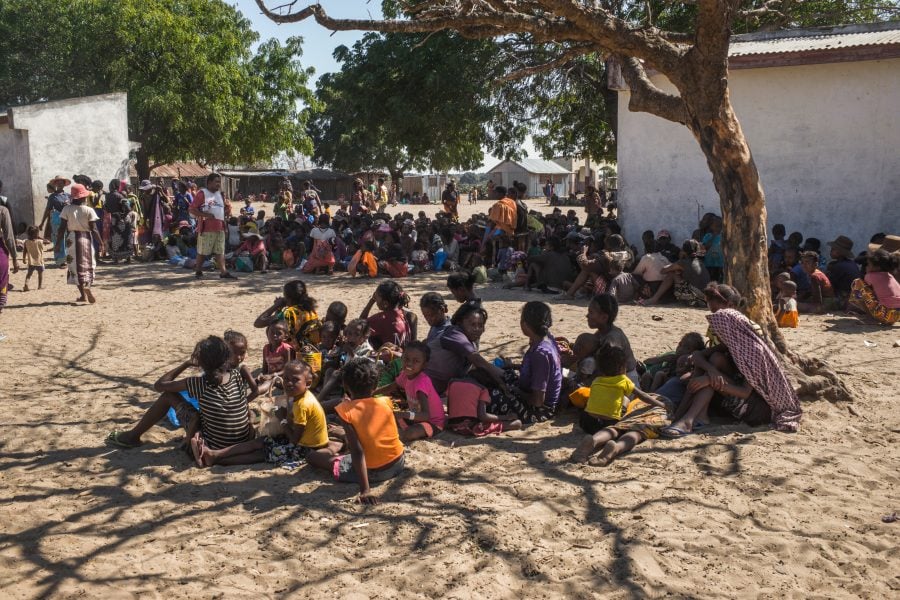
The organization also helped fight epidemics and endemic diseases, like TB, cholera and malaria. Its action was a major support to a failing health system. Even pregnant women travelled miles across risky conflict zones to reach the health facilities operated by the charity. Some of them arrived long before their due date and spent months in the hospital corridors and yards.
Inside these walls, they were safe and were sure to have food and access to any urgent care. During my two-week stay, I saw one single pharmacy in a very small town that seemed like a transit point for a variety of goods coming from Dubai, including vehicles with UAE tags. The Dukan Dawa was a mere hole in a wall. Apart from some over the counter bandages and today banned Mercurochrome, the Dukan (store) was there but I saw no Dawa (drugs).
With the scare resources villagers had, they were still easy targets for war looters. Few days before leaving the country, I was in a compound run by the charity and hosting the volunteers serving the mission, in the absence of any hotels in the area, when the small mountain village came under attack.
We started hearing gunfire from afar around midnight. Rapidly, the shots were alarmingly getting closer, so everyone ducked under the heavy wooden beds and waited for it. There were provisions and vehicles in the compound and the rebels knew it.
Hopefully, the UN troops were not too far and their quick intervention was decisive. It spared us the unknown and may just have saved our lives. After a long hour of silent agony, during which I saw my whole life flash before my eyes, we all went back to bed.
I was sharing the room with a Filipino cameraman working for Al-Jazeera channel (The TV crew was there to bring the humanitarian crisis underway to light).
He did manage to sleep for a few hours, but he had nightmares all night and kept repeating: ”Please Sir, don’t shoot… don’t shoot”. I just remembered all this as I was reading a headline on a new Ebola outbreak in DRC. Once again, the same charity – Doctors Without Borders, not to name it – is at the frontline.
The country has changed its name repeatedly since independence, even its capital went from Léopoldville to Kinshasa, but on the ground nothing seems to have changed at all.
For the record, when Mobuto passed away in 1997, I had not yet left my home country, Morocco, and used to live not far from the Christian cemetery in Rabat. When I left home that Sunday morning, heading for the Moroccan News Agency where I worked as a reporter, I noticed an unusual activity in the area.
I stopped and asked a police officer, who willingly shared the news. They were preparing for Zaire’s former strongman’s funeral. As soon as I arrived in the newsroom, I answered a phone call. It was from CNN and I confirmed his death.





add your comment
Terms of publication : Not to offend the writer, people, sacred things, or attack religions or the divine self, and refrain from racist incitement and insults.