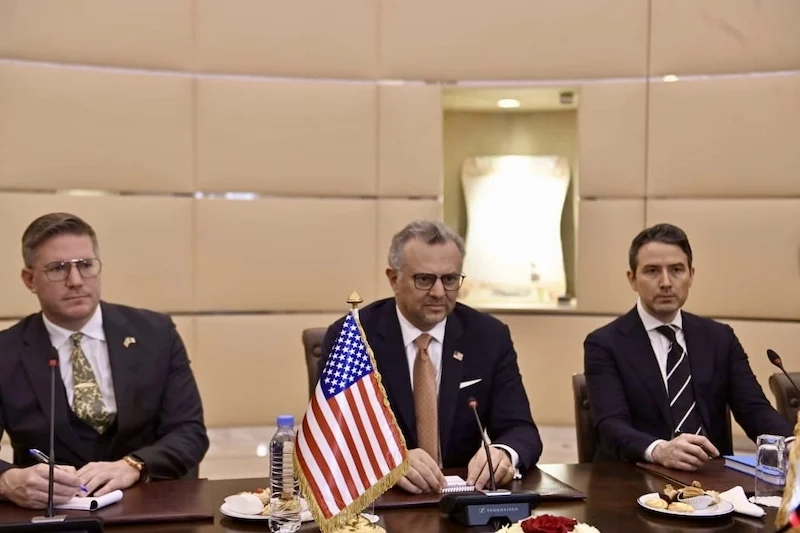
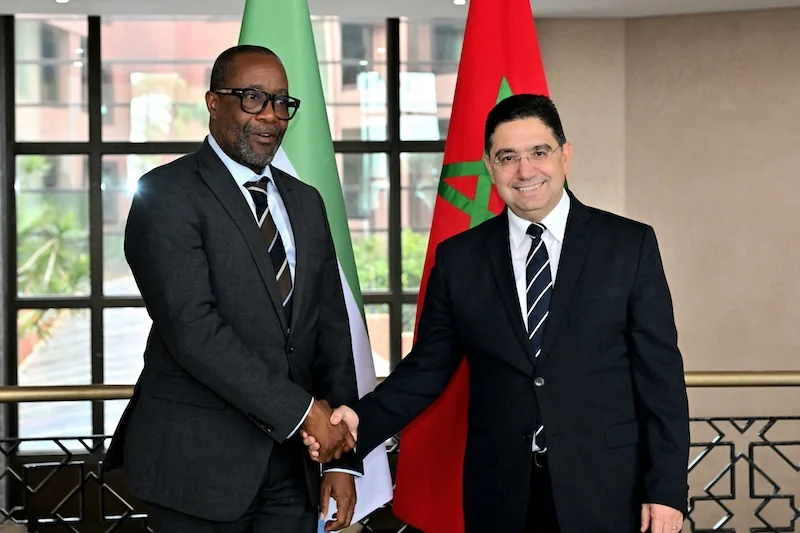
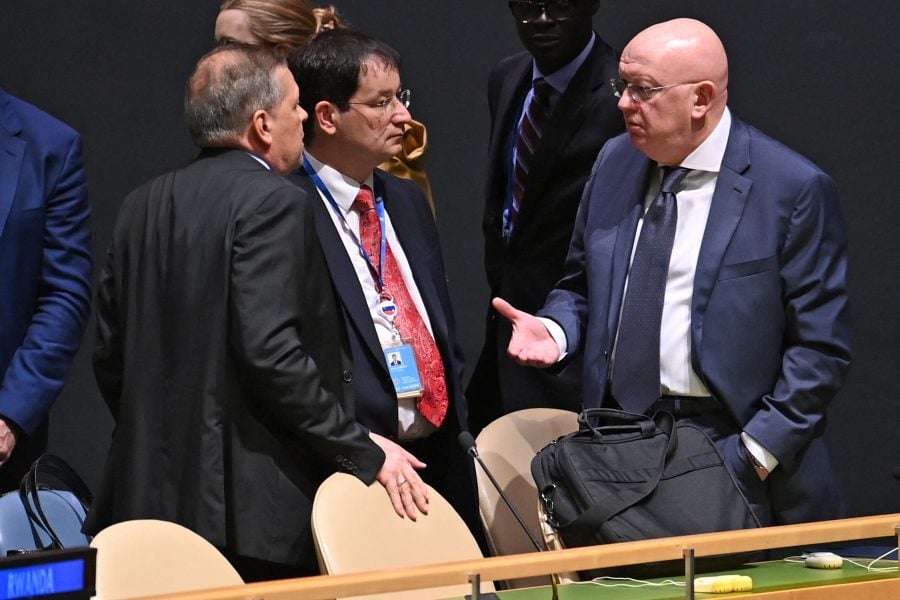
Washington’s renewed push to resolve the Moroccan Sahara dispute will only move forward if the United States keeps Algeria meaningfully involved, says an analysis by The Washington Institute.
The analysis argues that recent U.S.-facilitated talks in Madrid are a clear shift from the long-stalled U.N.-led process. The discussions brought together Morocco, the Polisario Front, Algeria and Mauritania under U.S. facilitation.
The initiative was led by U.S. envoy Massad Boulos and Washington’s U.N. representative Mike Waltz during the administration of Donald Trump.
While the Madrid meetings produced no major breakthroughs, the analysis says they signal a strong U.S. intention to keep negotiations going.
The effort follows a resolution adopted last October by the UN Security Council welcoming Washington’s readiness to host talks.
The ceasefire between Morocco and the Polisario collapsed in 2020, leaving diplomacy largely frozen until now.
According to the analysis, bringing Algeria to the table was itself a significant achievement. Algiers has long insisted it is only an observer in the dispute, not a direct party. But U.S. pressure, combined with diplomatic recognition of Algeria’s concerns, helped secure its participation.
The report says Washington’s strategy reflects the fact that the Polisario increasingly depends on Algeria politically, materially and symbolically.
Algeria also hosts Sahrawi refugees near Tindouf, making it a key actor in any future settlement, especially on sensitive issues such as refugee return or integration under Moroccan autonomy. Still, the analysis warns against viewing the Polisario simply as an Algerian proxy.
One possible path forward, the report says, is a consultative mechanism allowing Sahrawis to express their views on Morocco’s autonomy proposal.
Such a process could address Algeria’s stated position that any solution must reflect the will of the Sahrawi population.
The analysis says that border sensitivities remain central in Algeria’s political thinking, citing reactions to public debate by writer Boualem Sansal on regional boundaries.
The report says that U.S. diplomacy will need to balance pressure with reassurance, especially on Algeria’s security concerns if it hopes to advance negotiations.




add your comment
Terms of publication : Not to offend the writer, people, sacred things, or attack religions or the divine self, and refrain from racist incitement and insults.