
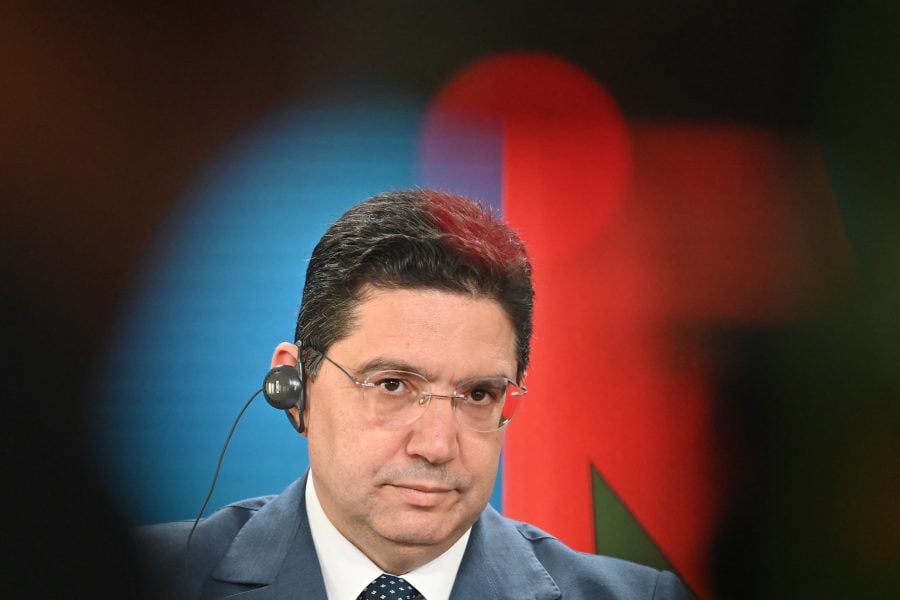
Morocco’s ministerial delegate for human rights, Mohamed El Habib Belkouch, said implementing United Nations human rights recommendations has become a political test of state credibility rather than a technical exercise, linking it to public trust in institutions.
Speaking Tuesday at a high level meeting in Geneva on supporting national mechanisms for implementation, reporting and follow up, Belkouch said such bodies must reflect clear political will and serve as an organizing pillar of government action, not merely administrative structures.
He said the growing recognition of these mechanisms within the UN system followed successive Human Rights Council resolutions, culminating in Resolution 60/27, which reinforced their institutional role at the national level. He argued that the effectiveness of the international system depends on states’ ability to translate recommendations into tangible outcomes and sustain constructive dialogue with UN bodies.
Belkouch outlined the network’s 2026 to 2030 action plan adopted in Lisbon, built around five priorities: expanding membership, strengthening digital platforms and knowledge tools, supporting the creation and development of national mechanisms, enhancing capacity building and peer exchange, and mobilizing partnerships and resources in line with Sustainable Development Goals 16 and 17.
He said Morocco’s engagement is rooted in the 2011 Constitution, which enshrines human rights primacy and accountability. He recalled that Marrakech hosted the first international conference in 2022 that launched the network, and that Morocco helped coordinate work leading to the 2024 Asunción Declaration. Morocco also expressed readiness to host the fourth international conference, urging more states to join the initiative.


add your comment
Terms of publication : Not to offend the writer, people, sacred things, or attack religions or the divine self, and refrain from racist incitement and insults.