
The United States is playing a leading diplomatic role at the United Nations on efforts to resolve the long-running dispute over the Moroccan Sahara, a senior U.S. official said, while declining to disclose details of Morocco’s autonomy-related proposals discussed with partners in Madrid.
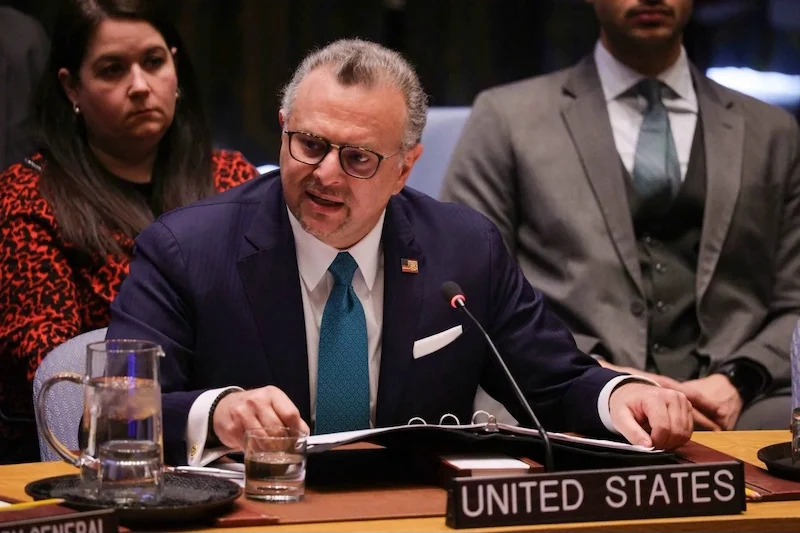
Massad Boulos, a senior adviser to the U.S. president on Arab and African affairs, said Washington serves as the “penholder” on the file at the United Nations Security Council, giving it responsibility for drafting and guiding resolutions related to the conflict.
Speaking to Deutsche Welle on the sidelines of the Munich Security Conference, Boulos said U.S.-led diplomatic efforts are anchored in Security Council Resolution 2797, adopted Oct. 31, which he described as a constructive step welcomed by all parties.
The resolution identifies the main stakeholders as Morocco, the Polisario Front, Algeria and Mauritania, and calls for continued engagement under U.N. auspices.
Boulos said the framework offers a basis for diplomatic progress but cautioned that implementation would take time, citing the complexity of a conflict that has lasted for nearly five decades.
Asked about recent discussions concerning Morocco’s proposal for autonomy in the territory, Boulos said the substance of those talks remains confidential.
“These details belong to the parties directly concerned, particularly Morocco and the Sahrawis,” he said, adding that external actors are not authorized to disclose them publicly.
Boulos also highlighted broader U.S. diplomatic engagement, pointing to the role of the U.S. mission to the United Nations and senior administration officials, including Secretary of State Marco Rubio.
He expressed confidence in the leadership of President Donald Trump, describing Washington’s approach as pragmatic and focused on advancing negotiated solutions to long-running conflicts.
While Security Council resolutions represent important milestones, Boulos said meaningful progress depends on sustained diplomatic engagement and implementation on the ground.
“Protracted disputes rarely move quickly,” he said, adding that once negotiations are firmly established, progress becomes more achievable even if timelines remain uncertain.




add your comment
Terms of publication : Not to offend the writer, people, sacred things, or attack religions or the divine self, and refrain from racist incitement and insults.