
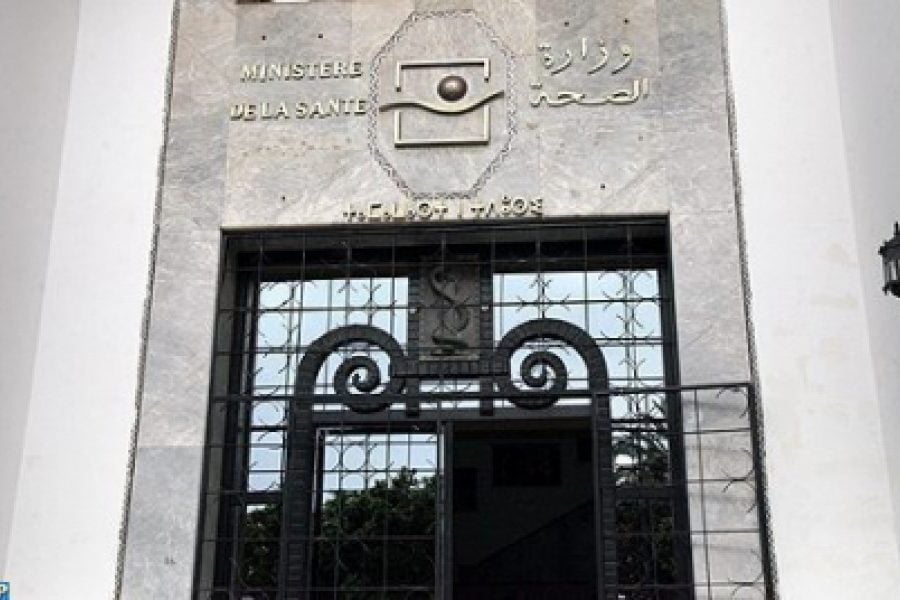
The Ministry of Health and Social Protection has issued a new directive aimed at a comprehensive restructuring of the country’s emergency medical services, introducing strict measures for patient transport.
The move is part of a broader national reform of the healthcare system, designed to improve the efficiency of medical facilities and ensure equitable access to high-quality emergency care across Morocco, according to the ministry.
The directive emphasizes strengthening coordination between pre-hospital and hospital care. It calls for closer integration between Medical Communication Regulation Centers (CRAM), mobile medical teams, and hospitals, with unified protocols to standardize professional practices and ensure rapid response in critical cases.
New “proximity emergency units” will be established in health centers located far from major hospitals. These units will operate 24/7, treating minor cases that do not require complex hospitalization and facilitating the safe transfer of patients needing specialized care.
The directive also clarifies the role of hospital emergency departments. Lead physicians will manage shifts and patient flow, including triage to categorize cases by severity, provision of trauma treatment rooms, and continuous medical monitoring before deciding on hospitalization or discharge.
The ministry has redefined the Emergency Medical Assistance Service (SAMU) as a regional supervisory hub. SAMU will provide continuous medical guidance to citizens, coordinate inter-hospital transfers, and oversee human and logistical resources during crises and major disasters.
A new digital platform, the Health Emergency Information System (SISU), will allow real-time tracking of hospital beds and resources. The system will enable secure patient data exchange and use GPS tracking for ambulances to optimize field response.
Strict patient transport rules have been established. Transfers require medical justification and prior coordination with CRAM. Patients must be stabilized before transport, and physicians requesting transfers are fully responsible for the accuracy of the medical information provided.
The new system will operate on two levels: nationally, under the Directorate of Hospitals, and regionally, through committees led by directors of Territorial Health Groups (GST). These committees will coordinate public and private healthcare sectors and monitor performance indicators to maintain service quality.
The directive also highlights the role of Emergency Care Training Centers (CESU) in ongoing professional development for medical and nursing staff, including updating knowledge, conducting regular crisis simulations, and supporting research in emergency and disaster medicine.
The ministry stressed that any failure in coordination does not justify refusing treatment. Receiving hospitals are required to provide immediate care to all patients.
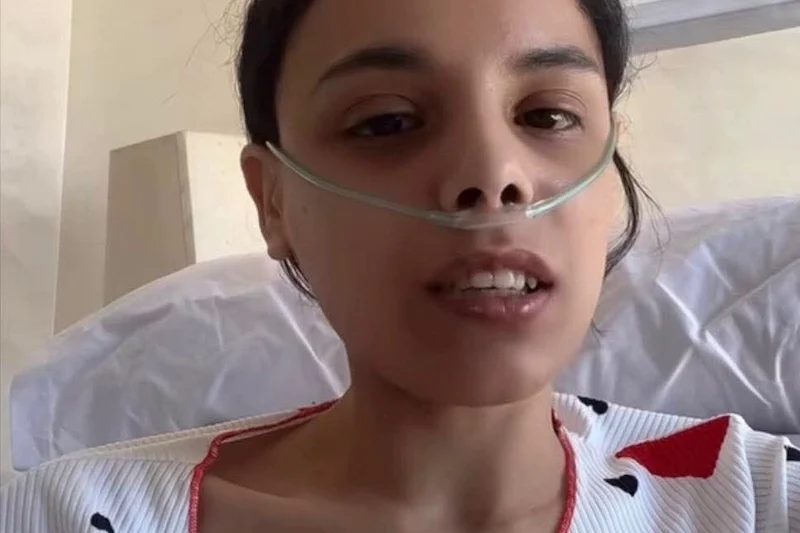




My experience with Urgent Ambulance is excellent, several times . Specifically with Urgent in Mohammedia, I want to thank all the staff and wish them less work in better conditions, because all medical professionals as well as patients deserve it. 🙏🏼❤️🇲🇦