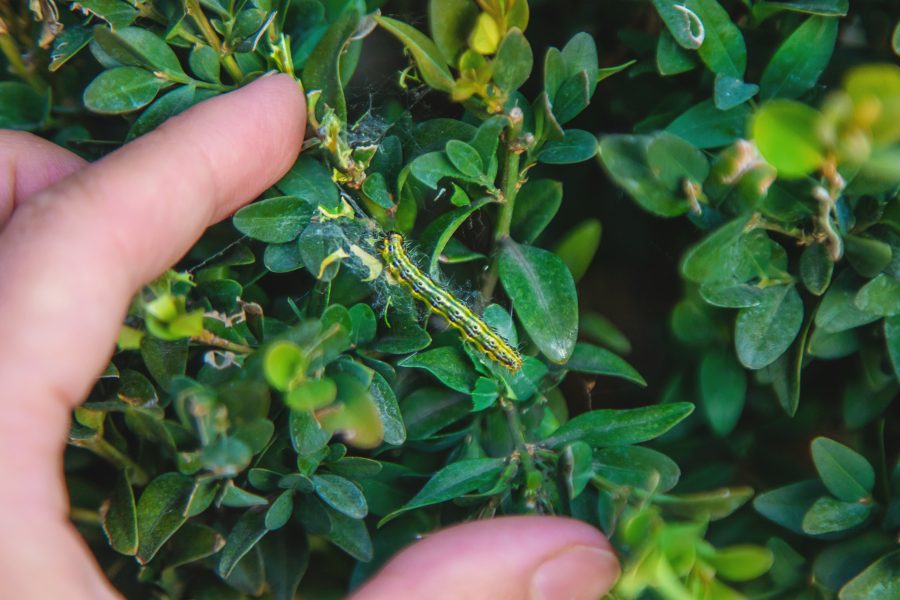
Damage from invasive species in Morocco could exceed US$2 billion a year, dwarfing spending on prevention and control, according to the country’s first national economic assessment of the problem.
The study, published in Scientific Reports, estimates that invasive alien species impose annual economic losses of between US$1.14 billion and US$5.13 billion on Morocco, depending on methodology. In every scenario, damage costs account for the vast majority of the total.
Researchers identified 343 invasive alien species established in Morocco, equivalent to about 1.1 percent of the country’s recorded biodiversity. Yet fewer than 40 percent of those species have any documented economic cost data worldwide, meaning the estimates are considered conservative.
At the country level, annual damage related losses were estimated at between US$1.47 billion and US$2.32 billion, compared with management and prevention spending of roughly US$98 million to US$149 million. The authors found that damage costs exceeded prevention spending by one or two orders of magnitude.
The assessment identifies several high impact species already present in Morocco. The single most costly species is Phenacoccus madeirensis, a plant feeding insect, with estimated adjusted losses of about US$866 million a year, based on impacts recorded for closely related species in cotton producing regions abroad.
Other major agricultural pests include the codling moth Cydia pomonella, with estimated annual costs of about US$245 million, and the Mediterranean fruit fly Ceratitis capitata, linked to losses of nearly US$90 million.

Additional species contributing heavily to projected losses include Spodoptera littoralis, the cotton leafworm, and Frankliniella occidentalis, both associated with significant crop damage and control costs. Agriculture accounts for the largest share of total estimated losses across all scenarios.
When costs are scaled to local occurrence data, invasive animals also feature prominently. The brown rat Rattus norvegicus is associated with estimated costs of about US$191 million, reflecting impacts on health, infrastructure and social welfare. In freshwater systems, the common carp Cyprinus carpio is linked to losses exceeding US$100 million, largely through damage to fisheries. The Asian tiger mosquito Aedes albopictus also appears among the costliest species, with public health related costs estimated at more than US$20 million.
The economic burden is unevenly distributed across the country. Marrakech Safi recorded the highest estimated annual losses at around US$335 million, followed by Casablanca Settat at about US$192 million. Rabat Sale Kenitra and Tangier Tetouan Al Hoceima also recorded losses exceeding US$100 million.
The authors note that nearly half of the invasive species present in Morocco lack any cost estimates globally, suggesting that current figures represent a baseline rather than a ceiling. They add that Morocco had no recorded cost data in the global InvaCost database before this study, limiting national capacity to quantify and prioritise economic risks linked to biological invasions.









add your comment
Terms of publication : Not to offend the writer, people, sacred things, or attack religions or the divine self, and refrain from racist incitement and insults.