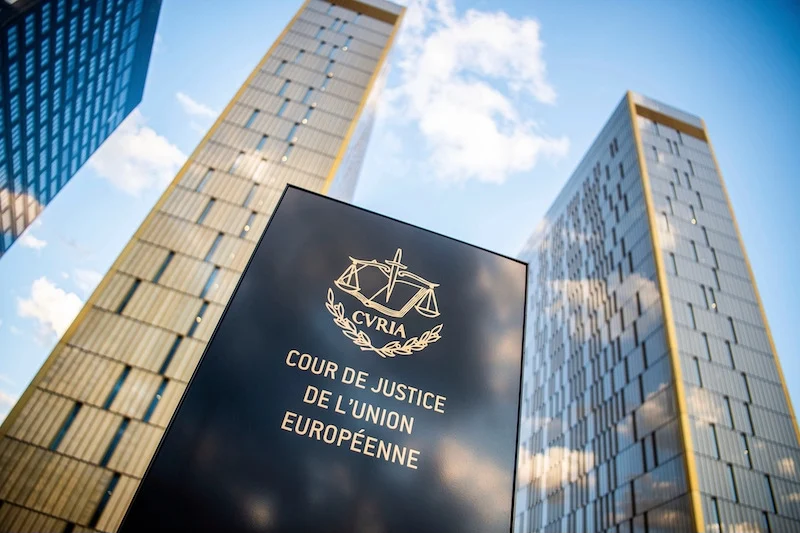
The Polisario Front has announced a new legal challenge against the latest agricultural agreement between the European Union and Morocco, a move that analysts say reflects political isolation rather than a realistic bid to alter the trajectory of EU Moroccan relations.
The agreement allows agricultural products from Morocco’s southern provinces to benefit from the same preferential access to the European market as products from other regions of the country.
Polisario argues that the deal lacks what it calls the consent of the Sahrawi population, reviving a legal narrative it has pursued repeatedly in European courts.
Observers of the Western Sahara issue note that the latest appeal reproduces arguments that have already shown limited impact on political outcomes.
While legal actions continue, Morocco has consolidated its position on the ground through sustained investment in the southern provinces, expanded development programs, and growing international backing for its autonomy proposal as a realistic and credible solution.
Mohamed Atif, a professor of international relations at Chouaib Doukkali University, said the repeated recourse to European courts illustrates a structural impasse rather than legal strength.
He said that litigation has become a substitute arena after the group failed to gain traction within the United Nations process or secure broad international recognition.
According to Atif, European courts cannot create new international status for an entity that lacks recognition as a state or sole legitimate representative.
He added that Morocco has gradually shifted the debate toward tangible criteria, including local economic benefits, democratic legitimacy, and development outcomes, weakening the impact of purely legal claims detached from political realities.
From a strategic perspective, analysts point to an imbalance in leverage. Morocco operates as a sovereign state and a key EU partner on migration, security, energy, and regional stability.
By contrast, Polisario remains heavily dependent on external support and lacks an independent diplomatic network or a viable political project.
Mohamed El Ghaith Maâ El Ainin, vice president of the Moroccan Center for Parallel Diplomacy, said the latest move comes as EU Morocco relations grow more cohesive.
He said that attempts to exploit institutional differences within the EU have so far failed to disrupt the strategic foundations of the partnership.







add your comment
Terms of publication : Not to offend the writer, people, sacred things, or attack religions or the divine self, and refrain from racist incitement and insults.