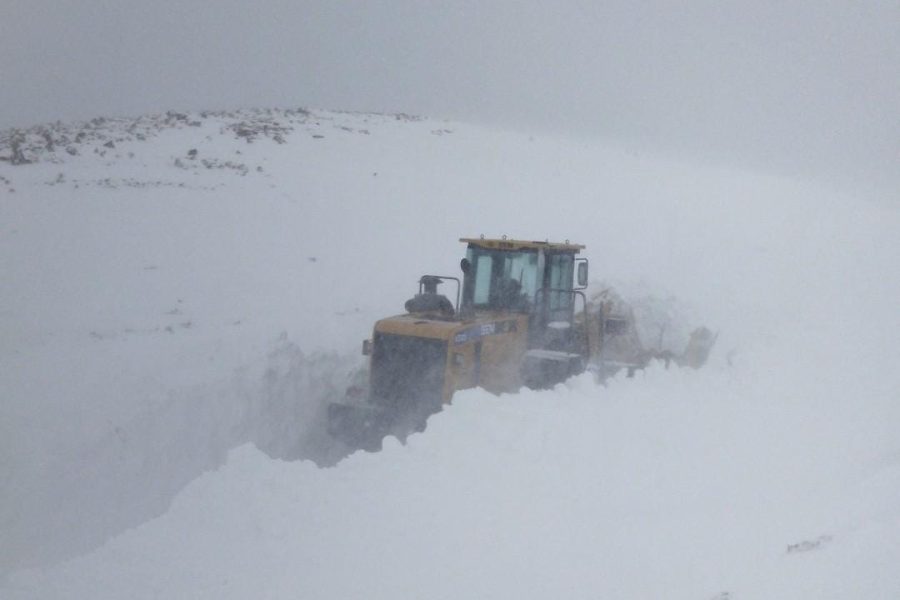
Snowfall and freezing temperatures have repeatedly cut road access to villages and healthcare facilities in Morocco’s mountain regions over the past two weeks, as successive winter weather systems exposed a recurring vulnerability in areas where a single blocked road can isolate entire communities.
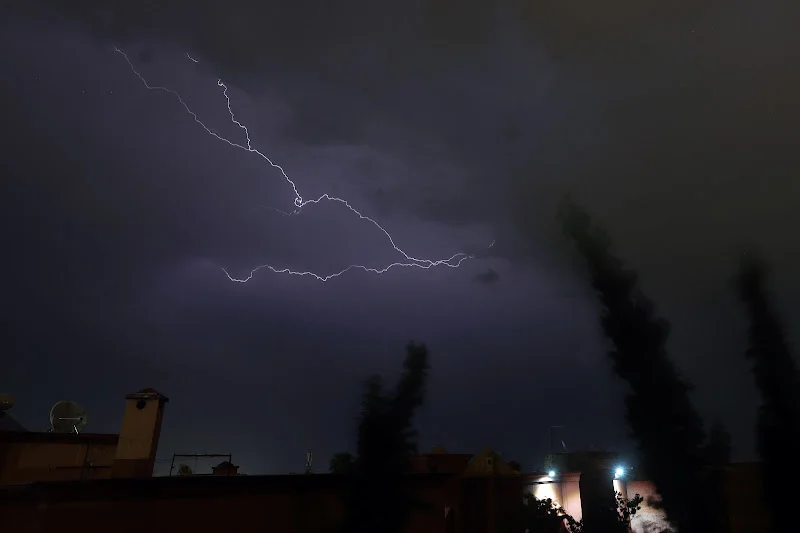
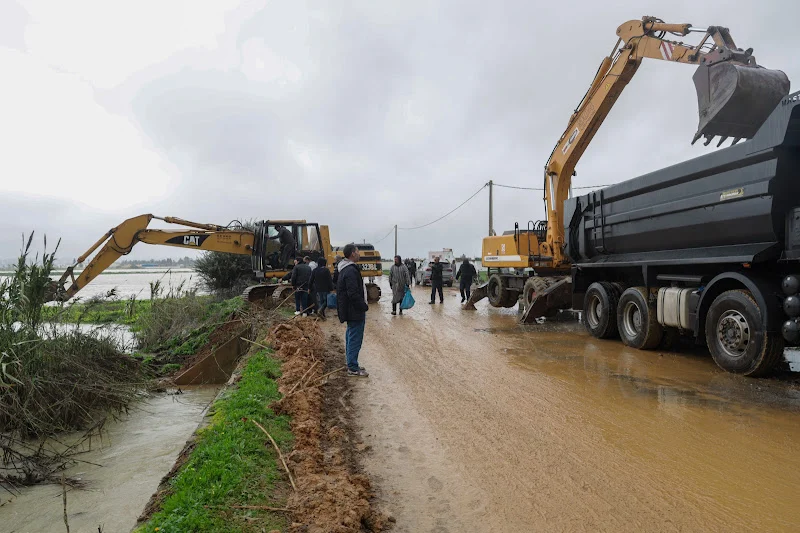
The disruption began in mid December with heavy rain and flooding in several cities, before colder air moved inland and uphill across the Middle and High Atlas mountains, which run through central Morocco.
Since then, snow has fallen in waves, repeatedly forcing road closures and preventing sustained recovery.
Interior Ministry field reports show that blocked roads have directly disrupted access to healthcare, forcing repeated emergency evacuations and clearance operations to reach patients in remote villages.
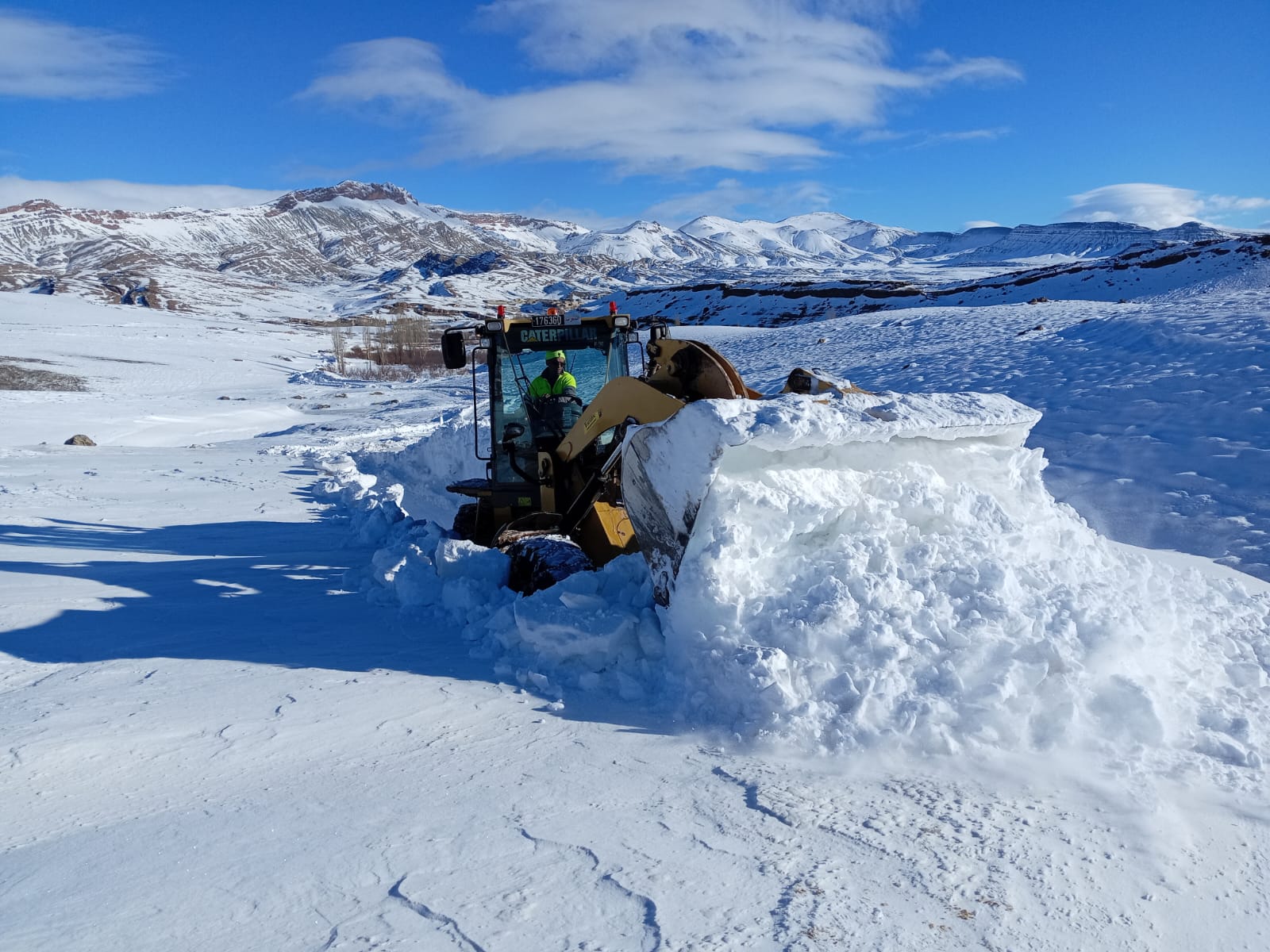
In recent days, authorities have had to reopen snow blocked routes to allow ambulances to pass in parts of Midelt and Azilal provinces, while in at least one case a woman giving bith at home was evacuated by helicopter after deep snow made road access impossible.
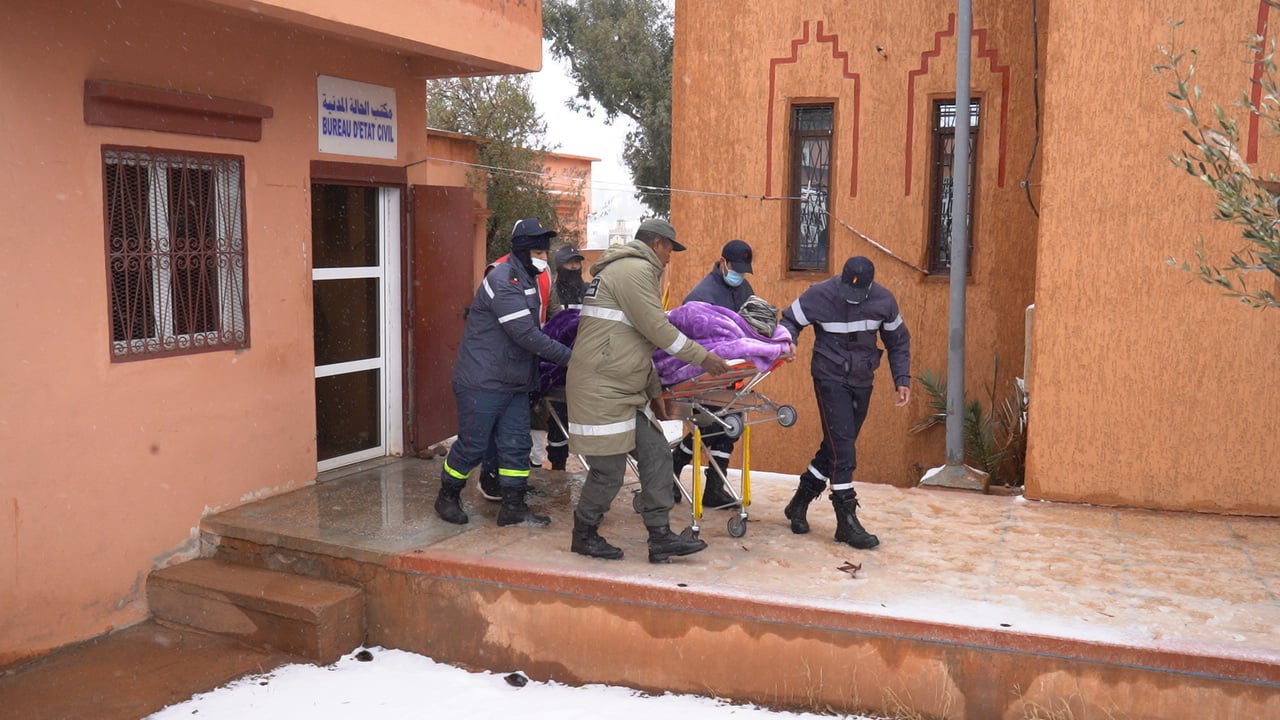
Similar incidents have been reported across several mountain provinces, officials said.
“December is historically marked by Atlantic disturbances and cold air masses,” said Hussein Youabed, head of communication at Morocco’s General Directorate of Meteorology to MAP. What has amplified the impact this year, he said, is the overlap of heavy snowfall, intense rainfall over short periods and strong winds, following several years of drought.
According to the Directorate, rainfall in Morocco has become more concentrated in short periods, heightening exposure to flash floods and snow related disruption, particularly in mountainous regions where road networks are sparse and alternatives limited.
The meteorology service says atmospheric instability is likely to persist in alternating phases, with further rain and snowfall possible in northern and mountainous areas as successive Atlantic systems pass over the country.
Reports by Morocco’s Economic, Social and Environmental Council on territorial disparities and access to healthcare have found that many mountain communes in the Middle and High Atlas are served by a single access road, with low road density and limited redundancy.
The Council has warned that travel times to hospitals in these areas often exceed national averages by several hours, and that emergency medical coverage is highly sensitive to weather disruptions.
During snowfalls or cold waves, CESE reports note, the interruption of one road can isolate entire douars, delay urgent care for pregnant women and medical emergencies, and force authorities to rely on exceptional measures such as snow clearance convoys or helicopter evacuations.
Authorities have urged residents to follow official weather alerts and avoid travel on closed routes, warning that the cumulative impact of repeated weather systems continues to pose risks to transport, healthcare access and public safety.





add your comment
Terms of publication : Not to offend the writer, people, sacred things, or attack religions or the divine self, and refrain from racist incitement and insults.