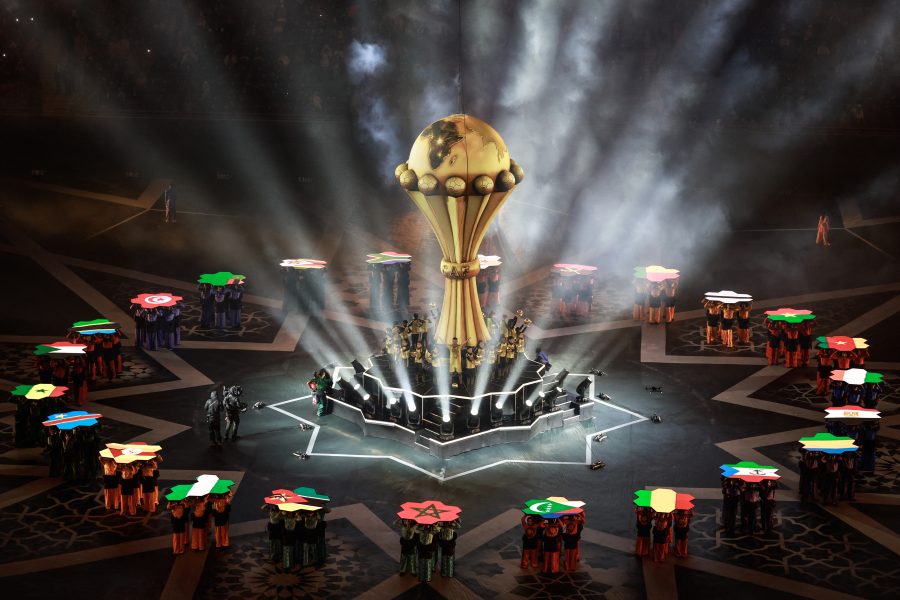
The 2025 Africa Cup of Nations officially opened in Morocco with a festive ceremony and an opening match against Comoros, marking the start of the tournament’s 35th edition and drawing worldwide attention.
According to the Confederation of African Football, the opening of the tournament reached audiences in more than 180 territories, reflecting the growing global reach of African football.
CAF said the Morocco-hosted edition has attracted new international markets, including Japan, South Korea and Mexico, expanding the tournament’s footprint beyond its traditional audiences. Officials described the opening as part of a broader trend showing increasing global interest in African football.
The tournament has also recorded significant growth in broadcast partnerships across five continents. For the first time, AFCON matches are being streamed in Japan via the DAZN platform. In China, multiple digital platforms are broadcasting the competition, with combined audiences estimated at more than 500 million viewers.
In the United Kingdom, matches are being aired free-to-air on Channel 4 under a new broadcast agreement, allowing wider access for African diaspora communities and football fans.
CAF estimates that the Morocco 2025 edition is on track to surpass the viewership of the previous tournament in Ivory Coast, which drew an estimated 1.5 billion viewers worldwide. Matches are being broadcast by around 60 television channels across Africa alone, in addition to international networks and streaming platforms.
The Africa Cup of Nations runs through Jan. 18, with matches hosted in several Moroccan cities.

The Moroccan people pay no heed to the wailing of the media from our eastern neighbors. We have known them for decades; we are familiar with the treachery of the military regime and the shallowness of their dreams.
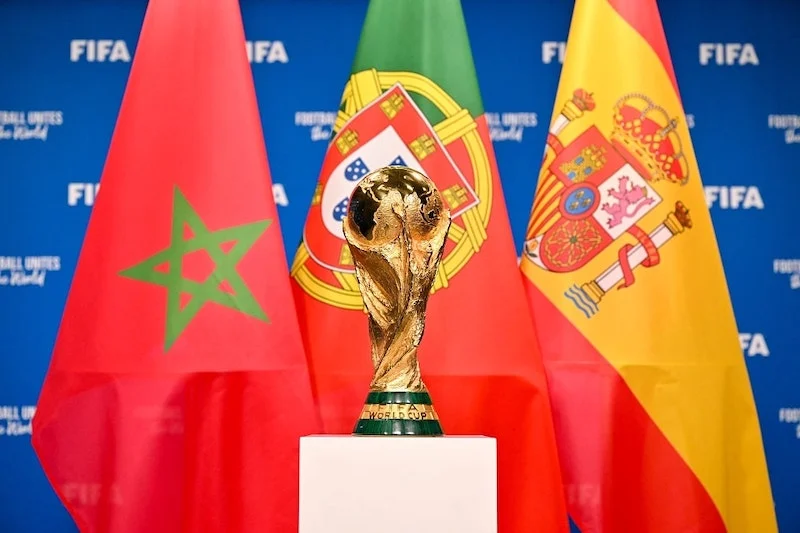
Morocco, under the leadership of our King and with highly professional personnel such as the masters of administration, planning, and management: Fouzi Lekjaa, Nasser Bourita, and many others, continues its ambition to become one of the leading countries in hosting continental and international sporting events. The Moroccan people’s goal is not solely victory on the field, because we are well aware that any match is played by two equal teams, both coached and striving for victory. The priority is to acquire a strong, sustainable infrastructure and a high-level mechanism for hosting sporting events, whether CAF, the World Cup, the Olympic Games, or other continental competitions. Morocco is actively working to acquire the required logistical and technical equipment, build ef