
Morocco’s water desalination market is set to grow from $400 million in 2024 to $850 million by 2033, an increase of about 112.5%, with an annual growth rate of 8.74%, according to Renub Research.
The report highlighted that the sector is driven primarily by rising water scarcity, government investments, renewable energy adoption, technological advances, and the growing need for sustainable urban water supplies.
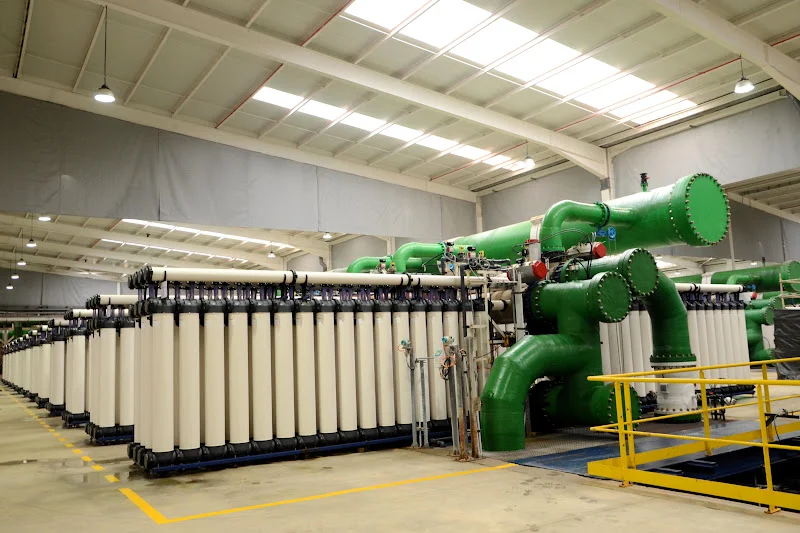
It noted that Morocco is rapidly expanding its desalination capacity to tackle growing water shortages and reduce reliance on conventional water sources, with new plants in coastal cities such as Casablanca, Agadir, and Safi supplying homes, farms, and industries.
The sector is also increasingly integrating renewable energy and advanced technologies like reverse osmosis, which offers high-efficiency salt removal, to cut costs and environmental impact.
Public-private partnerships and government initiatives, including the $14.3 billion National Programme for Potable Water Supply and Irrigation (PNAEPI), are supporting investment, innovation, and long-term water security.
Given the growing water scarcity and the pressing need for sustainable solutions, the report emphasized that the sector is well-positioned for future growth.
The source also highlighted the Nador plant in the Oriental Region of northern Morocco, which began operations in February 2025 with a capacity of 250 million cubic meters per year, supplying water to the city and surrounding agricultural and urban areas.
It said that the region’s capacity will grow with a new Chinese facility producing 548,000 tons per day, as Morocco targets 1.5 billion cubic meters annually by 2030 to strengthen water resilience.




add your comment
Terms of publication : Not to offend the writer, people, sacred things, or attack religions or the divine self, and refrain from racist incitement and insults.