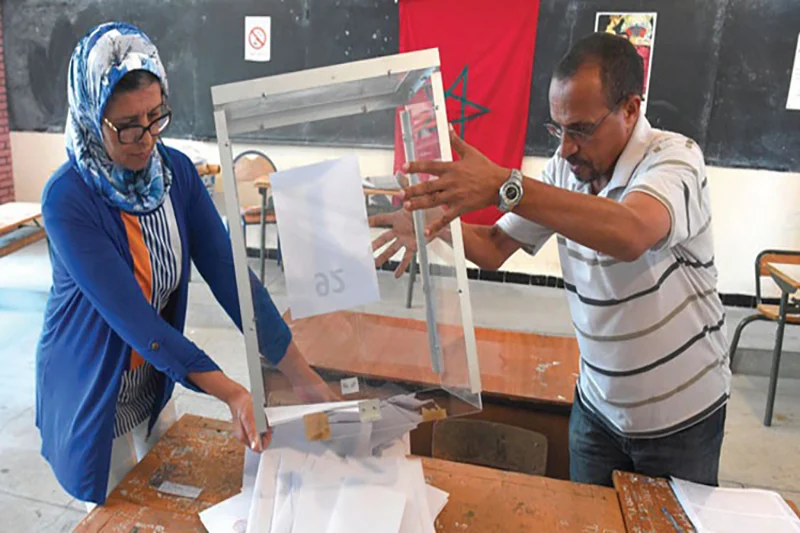
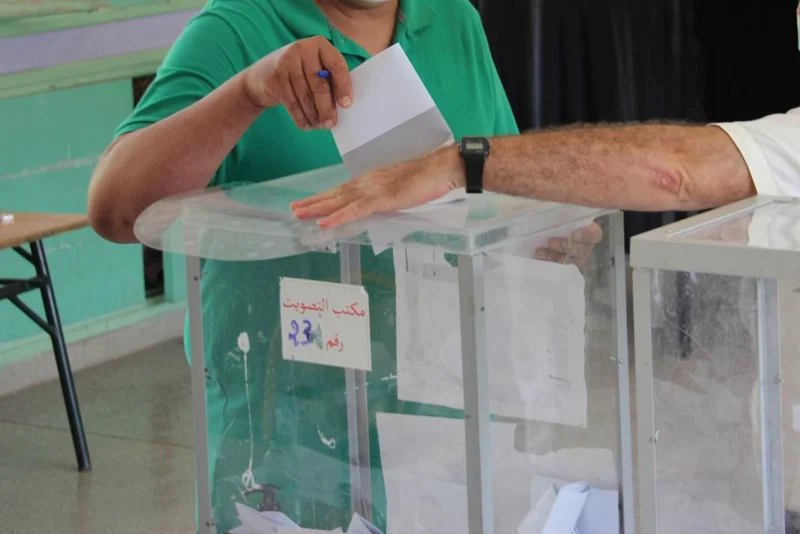
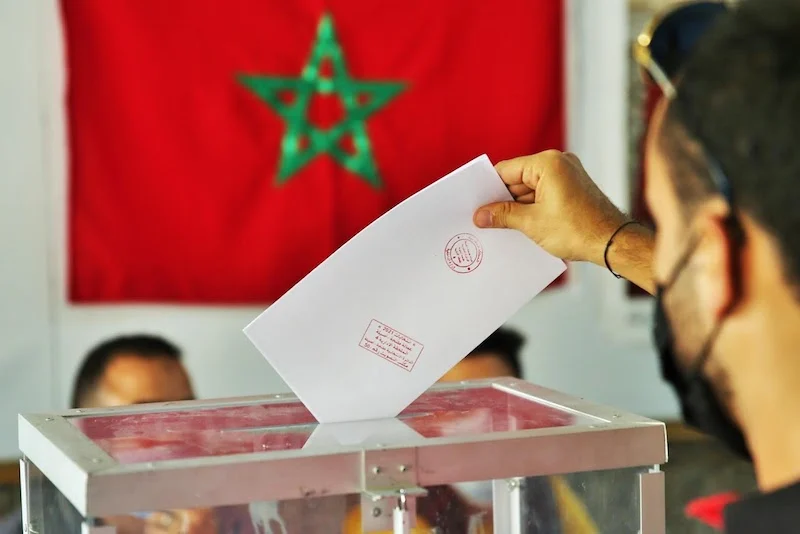
As Morocco gears up for its 2026 legislative elections, political analysts are warning of heightened tensions among parties competing for leadership in local and national councils.
Early signs point to a battle of leaks and counter-leaks, with disputes emerging over alleged irregularities in municipal and rural council elections.
“Morocco’s local electoral system often produces coalitions of multiple parties, which tend to be fragile and prone to collapse amid internal disagreements,” said Abdelhafid Younsi, a constitutional law professor at Hassan I University in Settat, in a statement to Hespress AR.
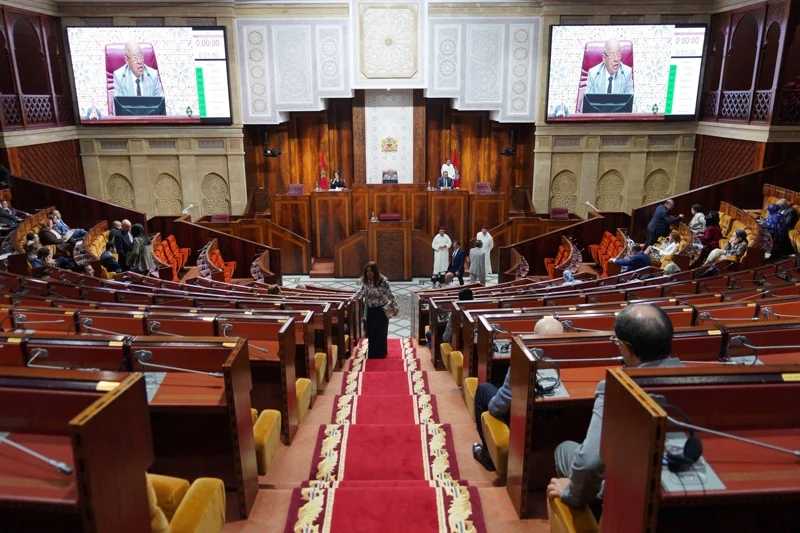
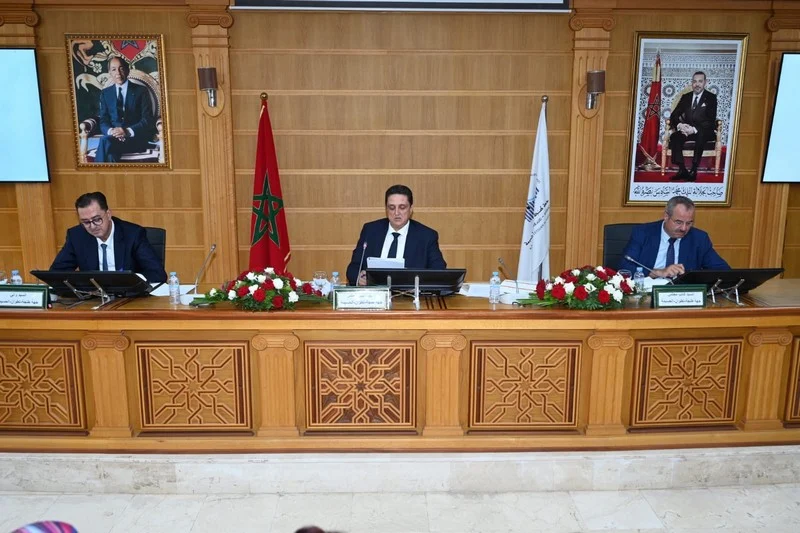
He added that conflicts in councils can impede local governance, delaying budgets, blocking decisions on surpluses, and stalling key resolutions.
Younsi also criticized some elected officials for prioritizing political maneuvering over public service. “Some view obstruction and council deadlock as electoral strategy. In reality, such behavior undermines local development and harms citizens,” he said.
He called for reforms both in the legal framework and in party oversight to prevent the election of officials with poor management skills or questionable ethics.
Political analyst Abdallah Abou Awad echoed these concerns, noting that certain council members merely seek to embellish the political scene while failing to track or implement meaningful local policies.
He stressed that parties must respond to King Mohammed VI’s repeated calls for ethical and responsible political conduct.
Abou Awad added that the upcoming elections should serve as a national accountability test, ensuring that elected representatives align with royal directives and the public interest.
“Respectful political competition involves programs, dialogue, and oversight for the benefit of citizens, not personal aggrandizement,” he said.



add your comment
Terms of publication : Not to offend the writer, people, sacred things, or attack religions or the divine self, and refrain from racist incitement and insults.