
The United Nations has formally recognized Morocco’s autonomy plan for its southern provinces as a credible basis for negotiation, marking a milestone in the decades-long dispute over the Sahara.
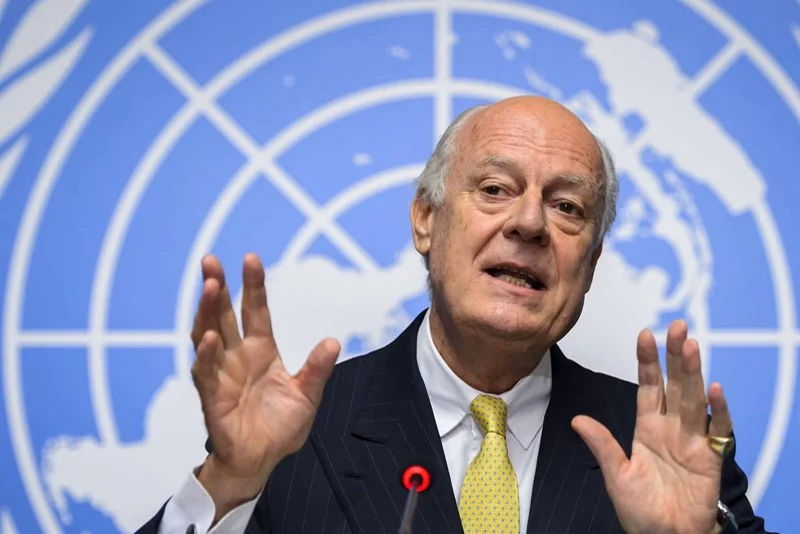
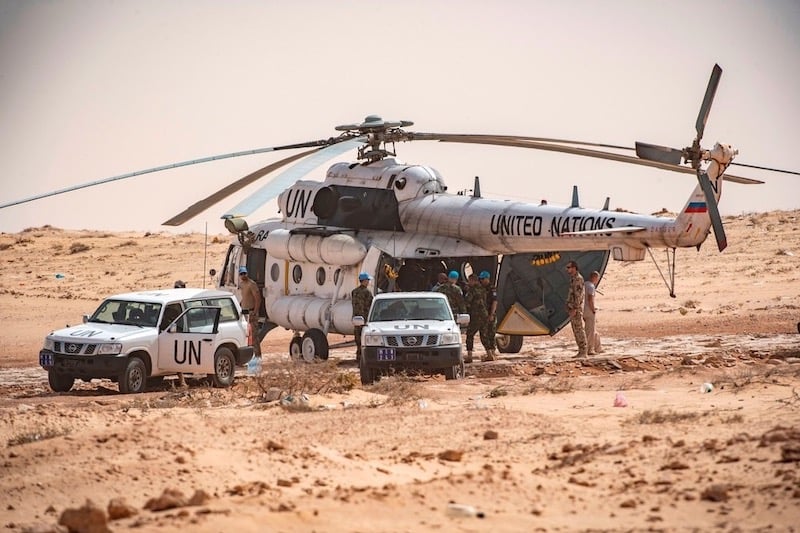
UN Resolution 2797, adopted on October 31, 2025, designates Morocco’s proposal for autonomy under its sovereignty as a “realistic political solution” to the conflict, according to an analytical report published Thursday by the African Centre for Strategic Studies and Digitalisation (CAESD). The resolution signals a significant shift in international consensus, moving away from earlier UN calls for a referendum on self-determination.
“This recognition reflects decades of diplomatic engagement and domestic reforms by the Kingdom of Morocco,” the CAESD report states. “It affirms the credibility of autonomy under Moroccan sovereignty as the most viable solution for the region.”
Historical and constitutional foundations
The report traces the historical links between Morocco and its southern provinces, citing centuries-old allegiances between Sahrawi tribes and the Alaouite monarchy. It notes that resistance against Spanish and French colonial forces in the region was closely tied to Morocco’s broader national liberation movement.
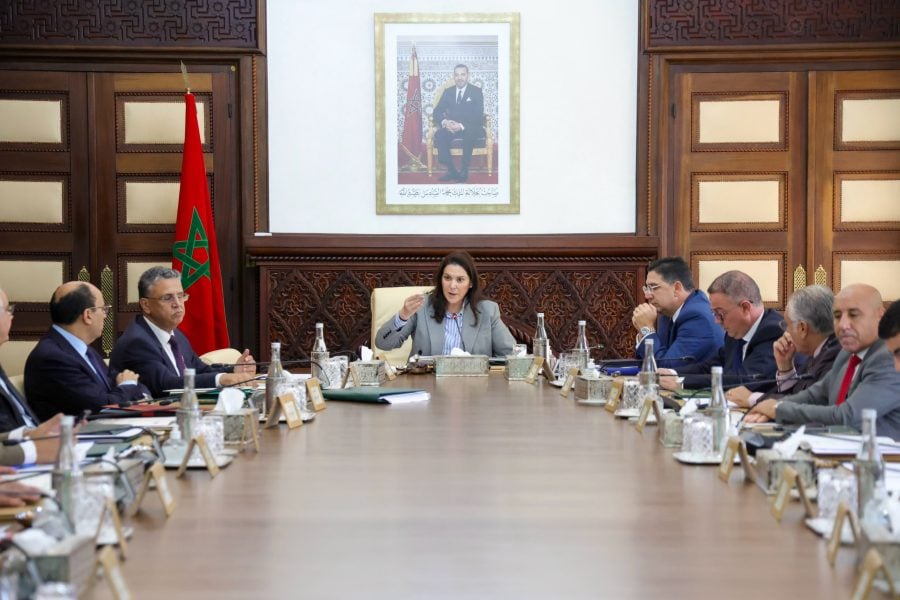
On the legal front, Morocco’s 2011 constitution and subsequent 2015 regionalization laws established an advanced framework for local governance. Regions including Laâyoune-Sakia El Hamra and Dakhla-Oued Eddahab were granted financial and administrative autonomy, with directly elected councils empowered to plan budgets and oversee development projects.
“Advanced regionalization in the southern provinces serves as a transitional phase toward implementing autonomy under Moroccan sovereignty,” the CAESD report notes, emphasizing local participation in decision-making and international partnerships.
Development and infrastructure investments
Since the reintegration of the southern provinces, Morocco has invested heavily in infrastructure and human capital. Key projects include the Tiznit-Dakhla expressway, the Dakhla Atlantic port, and international-standard airports. Renewable energy projects, universities, specialized hospitals, and vocational training centers have also been established.
“The southern provinces are being transformed from a marginal desert area into an integrated economic hub,” the report said, highlighting the region’s potential as a logistical and commercial gateway connecting Morocco to Africa and beyond.
Budget allocations under Morocco’s New Development Model for the southern provinces total 77 billion dirhams (around $8.1 billion), with implementation rates nearing 80%, according to the report.
UN evolution and international lessons
CAESD’s analysis traces the evolution of UN Security Council resolutions from 2000 to 2025, noting five phases that reflect a gradual acceptance of Morocco’s autonomy plan over a previously preferred referendum. The 2025 resolution is described as a “substantive transformation” in international recognition.
The report also draws lessons from international autonomy models, including South Tyrol (Italy), the Åland Islands (Finland), Greenland (Denmark), the Basque Country (Spain), and Aceh (Indonesia). It stresses the importance of clear powers, fiscal autonomy, economic integration, cultural preservation, and accountable governance for a successful and sustainable autonomy system.
Strategic recommendations
The report offers operational guidance for implementing the autonomy plan:
-
Strengthen regional councils’ powers and streamline administrative procedures.
-
Promote a diversified, productive economy, with local quotas in major projects and investment in fisheries, logistics, and renewable energy.
-
Protect strategic assets and ensure national sovereignty over ports, resources, and infrastructure.
-
Empower youth through innovation ecosystems, vocational training, and entrepreneurship programs.
-
Expand digital governance and parallel diplomacy to enhance transparency and international advocacy.
-
Integrate the southern provinces fully with Morocco’s infrastructure, energy, and digital networks while maintaining national control over strategic nodes.
Additional recommendations include creating special economic zones in Dakhla and Laâyoune, expanding renewable energy and green projects, enhancing health and education infrastructure, promoting Hassani culture, and positioning Dakhla as a diplomatic and economic platform for African and European cooperation.
Forward-looking vision
The report concludes that autonomy under Moroccan sovereignty is more than a political settlement; it is an integrated developmental and societal project aimed at securing sustainable growth, territorial justice, and regional integration. It calls for continuous national mobilization across political, civil, and private sectors to ensure long-term success.
“The southern provinces are becoming a strategic bridge linking Morocco to its African depth,” the CAESD report states. “If implemented effectively, this model could serve as an exemplar for conflict resolution and sustainable development in the region.”




add your comment
Terms of publication : Not to offend the writer, people, sacred things, or attack religions or the divine self, and refrain from racist incitement and insults.