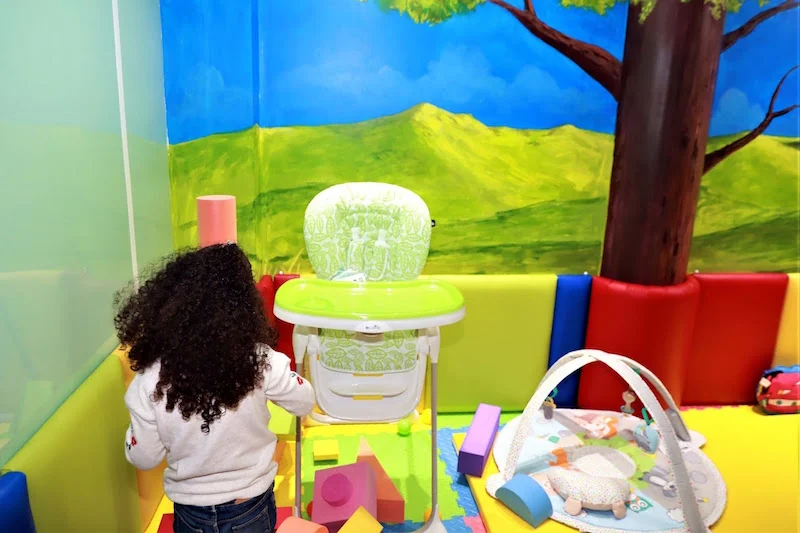
The death of an eight-month-old baby at a licensed daycare in Tangier has renewed attention to how Morocco protects its youngest children, and what happens legally when a minor causes fatal harm.
The tragedy, captured on surveillance cameras, showed an eight-year-old girl repeatedly dropping and stepping on the infant. The girl was released to her father because Moroccan law exempts children under 12 from criminal prosecution. The daycare owner and staff member responsible for supervision remain under investigation.
The incident has drawn national focus to two overlapping gaps: enforcement of daycare safety standards and limited procedures for handling minors below the age of criminal responsibility.
A fragmented childcare system
Morocco’s daycare sector operates under Decree 2-14-969 of 2015, which sets basic rules on safety, staffing, and hygiene. Enforcement rests with local authorities and social affairs inspectors, who have limited capacity for regular visits. In many urban neighborhoods licensed and informal centers coexist with little oversight.
National audits have found uneven application of age-group separation, training, and background checks for childcare workers. Civil society groups say inspection teams are too small and sanctions too weak to deter violations.
Juvenile responsibility under Moroccan law
The Penal Procedure Code establishes “absolute criminal irresponsibility” for children under 12 years old.
Judges may order protective or educational measures, but not imprisonment or trial. Between 12 and 18, minors can face prosecution under juvenile law, which prioritizes rehabilitation.
Child protection units and family courts manage these cases, coordinating with social workers and the Ministry of Solidarity.
The system is designed to prevent punishment of minors incapable of intent, but critics say it often leaves victims’ families without closure.
Oversight and reform efforts
Law 65-15 on child protection, adopted in 2018, sought to unify reporting and intervention procedures for at-risk children.
Implementation has lagged, with pilot programs concentrated in major cities. UNICEF and Morocco’s National Council for Human Rights (CNDH) have urged stronger inter-ministerial coordination and data sharing.
The Ministry of Solidarity announced in 2023 a plan to certify daycare staff and expand child protection units, but progress remains slow.


add your comment
Terms of publication : Not to offend the writer, people, sacred things, or attack religions or the divine self, and refrain from racist incitement and insults.