
Morocco and the European Union are moving quickly to finalize a major financial plan linked to the Moroccan Sahara by the end of December, Africa Intelligence reported.
The so-called “budgetary mechanism” is designed to ensure that the local Sahrawi population benefits directly from trade agreements involving natural resources, including fish and agricultural products.
The discussions follow the signing of updated agricultural trade letters in Brussels on Oct. 3. Africa Intelligence said Morocco and the EU have set a two-month deadline to establish the mechanism, in line with rulings from the European Court of Justice in October 2024. Those rulings require that economic activity in the Moroccan Sahara deliver concrete, measurable, and proportional benefits to the people living there.
The European Commission’s proposal emphasizes verifiable benefits while promoting sustainable resource use, protecting nonrenewable assets, and maintaining renewable ones such as fish stocks. The plan is intended to comply with international law and Article 73 of the U.N. Charter, which prioritizes the interests of peoples in non-self-governing territories.
According to Africa Intelligence, the EU is negotiating exclusively with Morocco, sidelining the Polisario Front, highlighting Brussels’ approach to economic and political relations in the region.
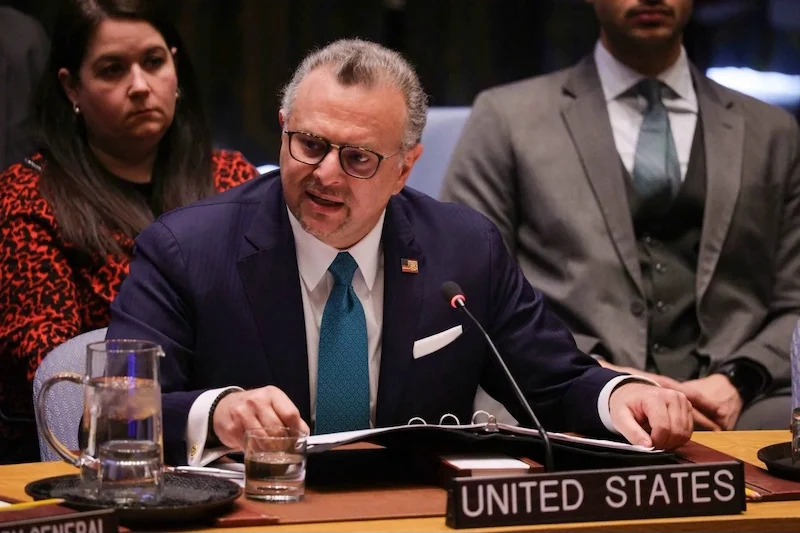
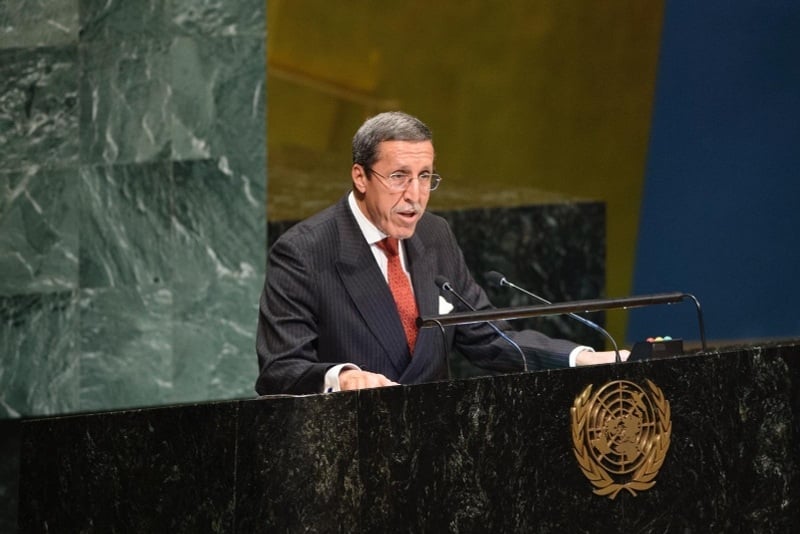
The financial discussions are occurring alongside political developments. The U.N. Security Council is expected to vote on Oct. 30 to extend the mandate of the U.N. Mission for the Referendum in Western Sahara (MINURSO) until Jan. 31, 2026. The U.S.-backed draft resolution encourages the parties to resume negotiations based on Morocco’s autonomy plan.
Africa Intelligence also reported that residents of the Tindouf camps could benefit indirectly from the budgetary mechanism, with the EU’s humanitarian and education departments, DG ECHO and DG EAC, playing a role. However, the exact annual financial contribution to the Sahrawi people is still being finalized by Rabat and Brussels.
If implemented, the mechanism could mark a key step in linking trade, sustainability, and local welfare, strengthening the EU-Morocco partnership while addressing sensitive economic and political issues in the Moroccan Sahara.





add your comment
Terms of publication : Not to offend the writer, people, sacred things, or attack religions or the divine self, and refrain from racist incitement and insults.