
Morocco’s government has unveiled a set of sweeping electoral reforms aimed at improving transparency, modernising political life and encouraging greater participation, particularly among young people, government spokesman Mustapha Baitas said on Thursday following the weekly cabinet meeting.
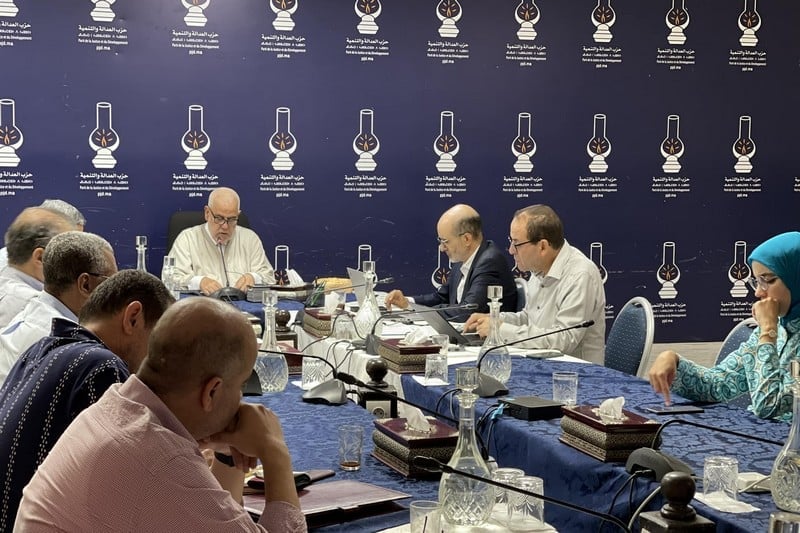
The meeting, chaired by King Mohammed VI, reviewed several legislative texts that will govern upcoming elections, including two key organic laws: Law 29-11 on political parties and Law 27-11 on the House of Representatives. The government also approved Law 57-11, covering electoral lists and campaign regulations.
“These two organic laws lie at the heart of electoral reform,” Baitas told reporters, noting that they introduce “unprecedented measures” to enhance integrity and expand access to political participation.
One of the most notable provisions allows the state to provide public financing to young independent candidates who are not affiliated with any political party. Baitas said these candidates will be eligible for about 75% of the public funding allocated to electoral campaigns. “This is a new mechanism that aims to open political life to more youth who may struggle to obtain party endorsement,” he added.
The reform package revolves around three main pillars. The first focuses on moralising political life through stronger transparency rules and stricter eligibility standards. Under the new law, anyone convicted of a crime or a misdemeanour on appeal will be barred from running for office.
The second pillar targets the modernisation of political parties, simplifying administrative procedures for their creation and operation while promoting greater inclusion of women and young people within party structures.
The third aims to boost democratic participation through financial incentives and logistical support. The government plans to adjust funding mechanisms, with decrees specifying financial allocations expected to range between 600,000 and 800,000 dirhams for political parties.
“These reforms are designed to revitalise the partisan landscape and strengthen citizens’ confidence in the democratic process,” Baitas said, adding that further details on the funding framework will be announced in upcoming decrees.
The legislative overhaul comes as Morocco prepares for its next electoral cycle, with authorities pledging to ensure fair competition and renewed political engagement across the country.
add your comment
Terms of publication : Not to offend the writer, people, sacred things, or attack religions or the divine self, and refrain from racist incitement and insults.