
As Morocco considers scrapping its youth quota system in elected bodies, the move has reignited debate over whether the mechanism served as a genuine path for youth empowerment or merely perpetuated political patronage.
For more than a decade, the youth quota guaranteed parliamentary and local council seats for candidates under a certain age. Its defenders say it ensured representation in a system reluctant to promote young leaders, while critics argue it produced symbolic participation detached from real power or accountability.
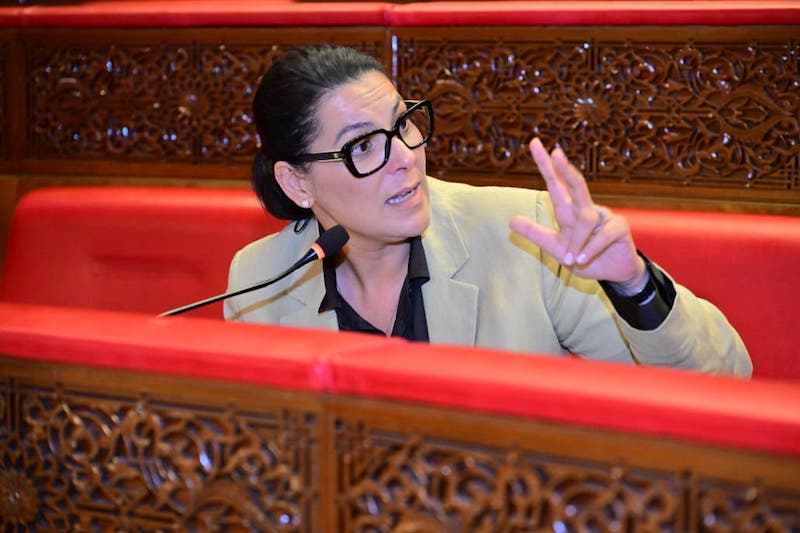
Political science researcher Rajaa Battach, member of the Istiqlal Party’s youth wing, said abolishing the quota would mark “a step backward” for political participation at a time when young people make up the largest share of Morocco’s population. She described the quota not as a privilege but as a temporary corrective measure in a system where parties still struggle to integrate young candidates into decision-making.
Battach told Hespress that representation alone has not translated into influence, noting that many youth politicians “find themselves confined by party loyalties and unable to freely defend their generation’s priorities.” True empowerment, she argued, requires “sustained mentorship, training, and trust” to help young leaders impact public policy beyond token presence.
She added that the long-term solution must move “from exceptional measures to a culture of merit and inclusion,” calling for rebuilding trust between young citizens and political actors through competence-based participation rather than “institutional cosmetics.”
Rights activist Mourad Chouika believes the issue extends beyond representation to the definition of youth itself, questioning the logic of labeling individuals in their forties as young. “When party youth leaders are over fifty, the system clearly rewards loyalty, not renewal,” he said.
Chouika argued that the quota has masked deeper failures to produce competent young elites through internal democracy, stating that “parties have used it to polish their image rather than regenerate their leadership.”
The real crisis, he added, lies in the erosion of trust: many young people no longer believe that competence leads to recognition, viewing elections as “a revolving stage for the same names.”
He called for a shift from quota politics to systemic reform, where inclusion stems from transparency, equitable opportunity, and internal renewal. “Morocco does not lack youth,” Chouika said. “It lacks faith in them.”




add your comment
Terms of publication : Not to offend the writer, people, sacred things, or attack religions or the divine self, and refrain from racist incitement and insults.