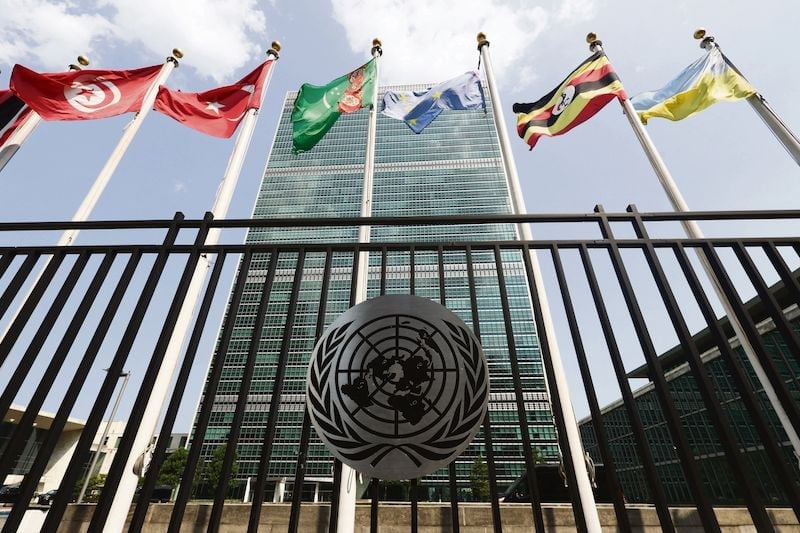
After nearly two years of conflict in Gaza, a cease-fire agreement has opened the door to what the United Nations calls a “turning point” in the humanitarian crisis.
Tom Fletcher, the UN’s humanitarian chief, said Friday, “We have waited nearly 799 days. Let us make this day of success truly count,” emphasizing the UN’s central role in delivering aid.
The cease-fire follows the approval of the first phase of a 20-point U.S. peace plan by Israel and Hamas. The agreement calls for an immediate halt to hostilities, the release of Israeli hostages held in Gaza and Palestinian prisoners in Israel, and a gradual withdrawal of Israeli troops to a mutually agreed line.
UN Secretary-General António Guterres welcomed the development as “the breakthrough we so desperately needed” and urged all parties to fully respect the terms of the agreement. The UN, in coordination with the Red Crescent, will oversee the delivery and distribution of humanitarian aid.
Fletcher outlined an unprecedented humanitarian operation, with 170,000 tons of food, medicine, and supplies ready for distribution. Over the first three months of the cease-fire, hundreds of trucks of aid will deliver food to 2.1 million peopleand provide nutritional support to 500,000 children. Hospitals, largely destroyed in the fighting, will be re-equipped, and maternal, child, and mental health services prioritized.
Water and sanitation infrastructure will also be restored for 1.4 million residents, with repairs to pipelines and distribution of soap, detergents, and hygiene products. Thousands of tents and shelters will be delivered weekly, while 700,000 children are expected to return to temporary learning spaces.
Fletcher stressed that the plan’s success hinges on full funding, safe access for humanitarian workers, weekly fuel deliveries, and the reopening of border crossings. Currently, only 28% of the emergency appeal has been financed.
The 20-point U.S. plan also calls for Gaza’s demilitarization and the creation of an interim Palestinian administration under international supervision, excluding Hamas. An international humanitarian corridor will facilitate aid delivery and infrastructure reconstruction, monitored by the UN and Red Crescent.
Fletcher urged all UN agencies, NGOs, and private sector partners to participate, calling the operation a “massive collective effort.” He warned that extremists on both sides have previously tried to sabotage aid deliveries and hostage releases but expressed hope that strong international support will marginalize these efforts.



add your comment
Terms of publication : Not to offend the writer, people, sacred things, or attack religions or the divine self, and refrain from racist incitement and insults.