
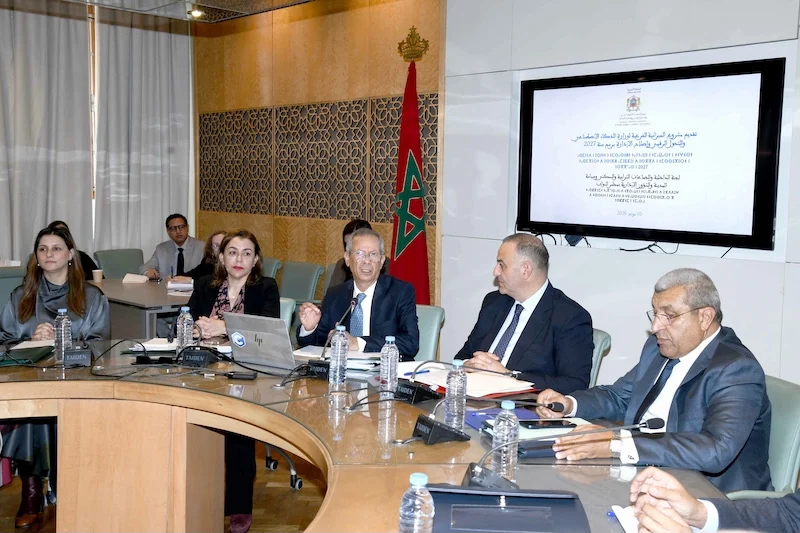
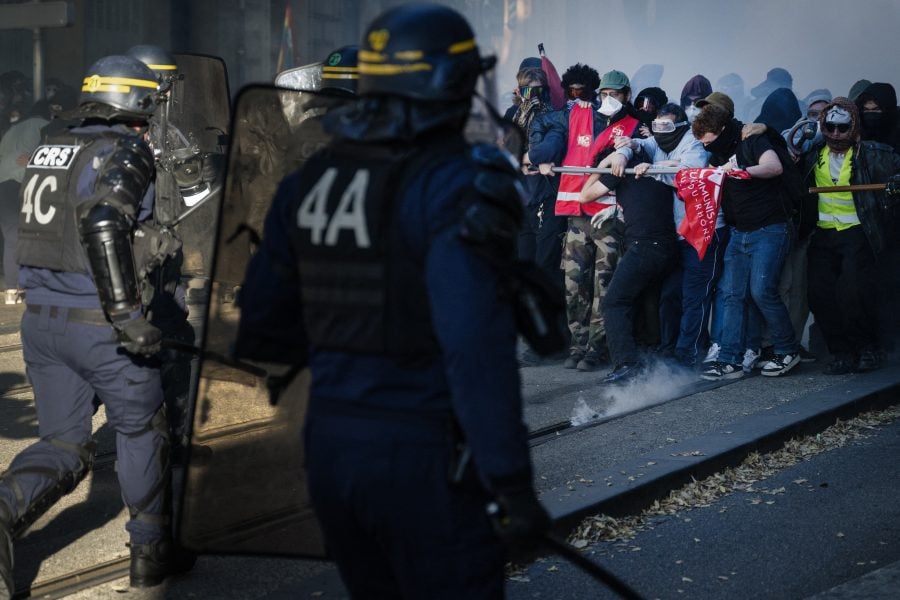
Morocco’s House of Representatives is prepared to play a mediating role between the government and the youth-led protest movement “Gen Z 212,” which has mobilized across the country in recent weeks, a senior parliamentary source told Hespress AR on Thursday.
The source, who requested anonymity, said the chamber is ready to facilitate dialogue that could lead to “a collective solution responding to legitimate demands raised on the national stage.” The official urged protest leaders to appoint clear spokespeople capable of negotiating seriously and responsibly with institutions, stressing that “the moment requires dialogue and avoiding a slide into the unknown.”
According to the source, many of the grievances voiced by young demonstrators overlap with issues already debated in parliament, including social justice, equal opportunities, and improved health and education services.
“The parliament, as a constitutional institution representing all Moroccans, stands ready to support any initiative aimed at bridging divides,” the source said. He added that other constitutional bodies also bear responsibility to act in this critical moment to contain tensions.
Asked about public mistrust in institutions and concerns that demonstrators could face legal repercussions despite raising widely acknowledged grievances, the source said “many guarantees” would precede any legal processes. He suggested that such measures would also help clarify whether the protests originated domestically or were influenced from abroad.
The official drew parallels with past protest waves, including the February 20 movement, where the state had clear interlocutors. Moving from street demonstrations to institutional dialogue, he said, would bring demands closer to practical implementation while limiting risks of escalation.
Observers argue the responsibility now lies with institutions such as parliament and the Ombudsman’s office to create new mechanisms of engagement suited to “digital generation protests,” which lack traditional organizational structures.
Left-leaning voices, meanwhile, view the movement as a reflection of deep social anxiety linked to Morocco’s economic and political trajectory. They point to inflation, rising living costs, and deteriorating conditions as drivers of mounting demands for dignity, social rights and economic fairness.






add your comment
Terms of publication : Not to offend the writer, people, sacred things, or attack religions or the divine self, and refrain from racist incitement and insults.