
Morocco’s health minister acknowledged today chronic shortages in the national health system during a rare live broadcast from Parliament, telling lawmakers that the government understood the demands driving recent youth-led protests and was moving to address them with appointments and new infrastructure.
Amin Tehraoui, minister of health and social protection, said Wednesday that the system had overcome years of delayed specialist appointments, with a record 1,200 doctors assigned in 2025 after a backlog stretching back to 2019.
He described the measure as a “turning point” for a sector hampered by a shortage of radiologists, anesthetists and other critical specialists.
“The biggest challenge has not been numbers alone, but long delays in assignments,” Tehraoui said. “Graduates sometimes waited two years before knowing where they would work, forcing many to go private or even leave the country.”
According to the minister, more than 700 doctors were appointed in the first quarter of this year, with 95% already in post. For the first time, the ministry launched assignments for the 2025 graduating class before their official completion, to guarantee clear career paths and prevent what he called the “temporary vacuum” of past years.
The minister said Morocco created 6,500 new health sector positions this year, lifting the total workforce to about 59,000 compared to 45,000 in 2019. But he admitted that progress remains uneven, with entire specialties suffering shortages and newly built health centers left partly idle for lack of staff.
Tehraoui urged closer coordination with the Ministry of Higher Education to steer medical students into the most critical disciplines. “We need to direct future doctors toward fields like anesthesiology and radiology, where demand is acute,” he said.
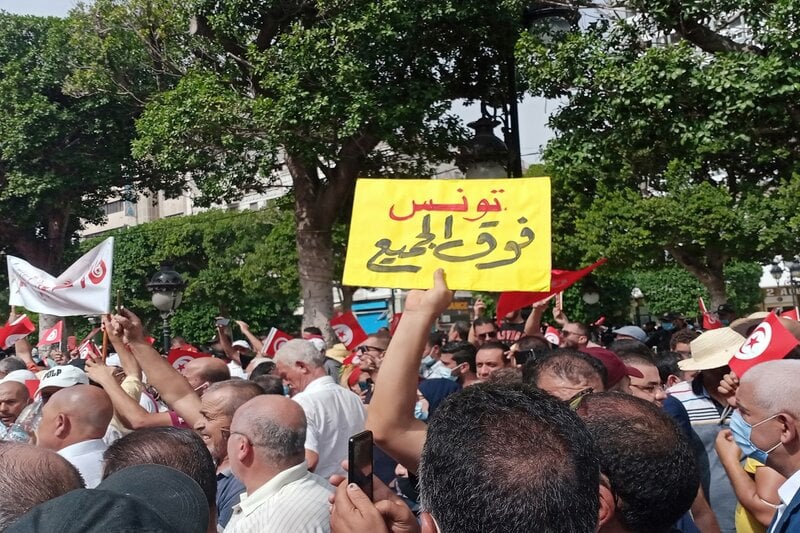
Lawmakers pressed the minister in the live session, an unusual departure from the chamber’s rules, authorized by Speaker Rachid Talbi Alami after opposition parties demanded transparency , as nationwide protests by the youth-driven movement “Gen Z 212” continued to spotlight health and education.
“There is no solution that can meet the deficit in human resources all at once,” Tehraoui told the parliamentary committee on social sectors.
“The answer lies in sustained efforts, expanding training, creating new institutions and strengthening incentives for medical professionals.”
The minister’s remarks, delivered during a session that was livestreamed after calls for transparency, as the government’s attempts to project responsiveness amid protests branded online as Gen Z 212.
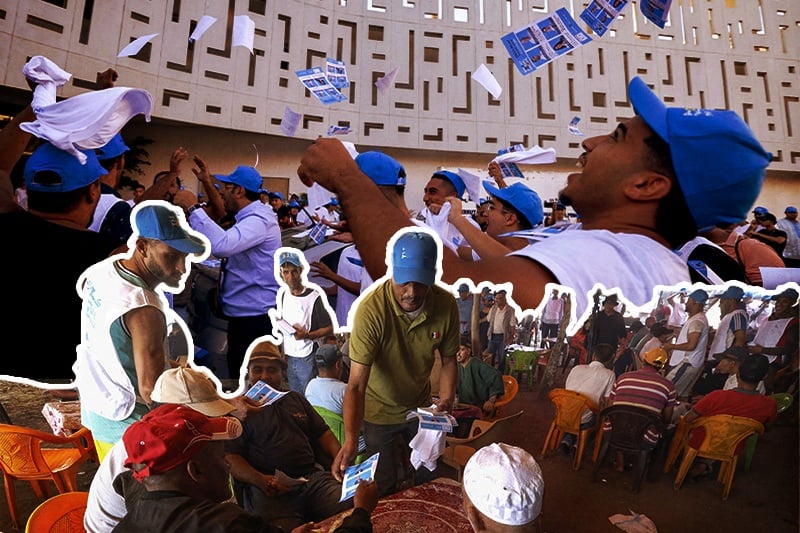
The movement, loosely coordinated through social media, has mobilized thousands of mostly young Moroccans frustrated by overcrowded hospitals, rising costs and what they describe as broken promises on social justice.
Tehraoui cited numbers meant to demonstrate progress. The intake of medical students, he said, has more than doubled in five years: from 2,650 seats in 2019 to 5,840 in 2024, with projections to reach 6,400 in 2025.
Four new medical schools have opened in the regions of Laayoune, Guelmim, Beni Mellal and Draa-Tafilalet, areas long underserved by public health infrastructure.
“These institutions will form the backbone of a new system,” he said, noting that a university hospital in Laayoune is under construction and will anchor a regional hub.
The expectation, he added, is that 60 to 70 percent of graduates will remain in the south rather than migrate to Casablanca or Rabat.
Nursing capacity has expanded even more rapidly, with training seats rising from just over 2,000 in 2019 to 9,500 in the current academic year.
The minister called the growth “a significant step toward meeting citizens’ expectations,” but stopped short of saying when patients might see relief in emergency rooms or rural clinics.
Morocco has long struggled to retain doctors, both at home and abroad. Hundreds leave each year for Europe or the Gulf, drawn by higher salaries and better conditions. Attempts to bring back expatriate doctors have yielded “only 500 to 600 cases” since reforms began, Tehraoui said, calling the system “not attractive.”
Even those who return often choose the private sector. “It is not only about wages,” the minister explained. “Doctors must also find infrastructure, governance and tools that allow them to practice with dignity.”
The minister urged lawmakers to streamline licensing for foreign-trained doctors, a process he described as “complicated, slow and discouraging.”




add your comment
Terms of publication : Not to offend the writer, people, sacred things, or attack religions or the divine self, and refrain from racist incitement and insults.