
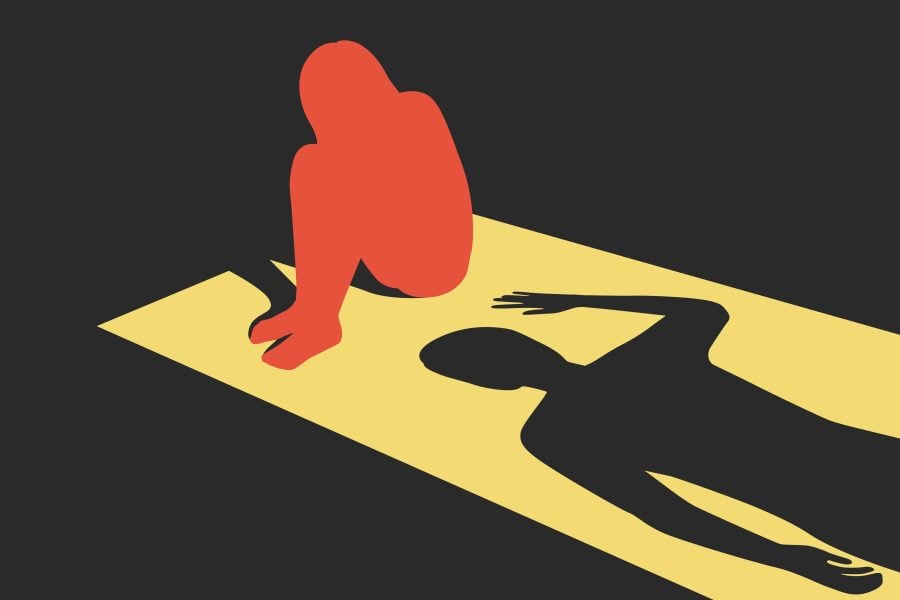
Moroccan women’s rights activists are urging lawmakers to overhaul Law 103-13 on combating violence against women, saying the legislation fails to provide effective protection for victims despite initial gains when it was enacted.
The calls come after the case of Iman, a young woman who survived a brutal assault, reignited debate over the law’s shortcomings and broader gaps in Morocco’s legal framework on women’s rights.
“Iman’s shocking case is only one of hundreds where women do not receive the protection they deserve,” said Samira Mouhya, president of the Federation of Women’s Rights Associations.
“This law, while symbolically important, has not produced the expected results on the ground. It focuses on punishment but lacks effective preventive and protective measures.”
Mouhya noted that limited shelters, weak coordination among institutions, and insufficient psychological and legal support leave many victims vulnerable even after filing complaints. She added that broader reforms are needed, including amendments to Morocco’s penal code, which she said remains “conservative and outdated,” particularly regarding abortion rights.
“Women are still forced to carry unwanted pregnancies from rape or coercion, often leading to severe social and psychological consequences,” Mouhya said.
“The blanket criminalization of abortion pushes women into unsafe, clandestine procedures and deepens their vulnerability.”
She also highlighted discriminatory practices around children born out of wedlock, saying women are burdened with full responsibility while fathers escape accountability.
“This strips children of their basic rights and reinforces systemic inequality,” she said, calling for reforms that align with principles of justice, equality, and human dignity.
Fatiha Chtatou, another women’s rights activist, echoed the concerns, stressing that Law 103-13 needs “radical and comprehensive revision” in light of recurring violence cases.
“The law was a positive step and a historic achievement, as one of the first texts to address gender-based violence, but its implementation has exposed serious flaws,” Chtatou told Hespress AR.
She said civil society played a crucial role in breaking the taboo on violence against women but warned that protection cannot remain “trapped in inadequate texts.”
Chtatou acknowledged the law’s gains, such as criminalizing previously unpunished acts, toughening penalties, and establishing support units for victims within police and judicial institutions.
Still, she argued the legislation must evolve into a broader legal framework that combines prevention, protection, accountability, and compensation.
She also called for specialized chambers to handle gender-based violence cases in all courts, including appellate courts and the Court of Cassation, to ensure consistency in handling such cases.
“Iman’s case should be a wake-up call,” Chtatou said. “Morocco needs a comprehensive, rights-based approach that truly guarantees safety and justice for women.”





add your comment
Terms of publication : Not to offend the writer, people, sacred things, or attack religions or the divine self, and refrain from racist incitement and insults.