
In the eastern High Atlas, the Imilchil market opens just as September’s chill sharpens and early rain falls, a timing visitors say signals the onset of winter’s isolation.
Vendors display thick woolen jellabas, selleham cloaks and heavy blankets, all locally handcrafted from sheep’s wool, items portrayed by many as essential against the cold that grips mountain valleys in the coming months.
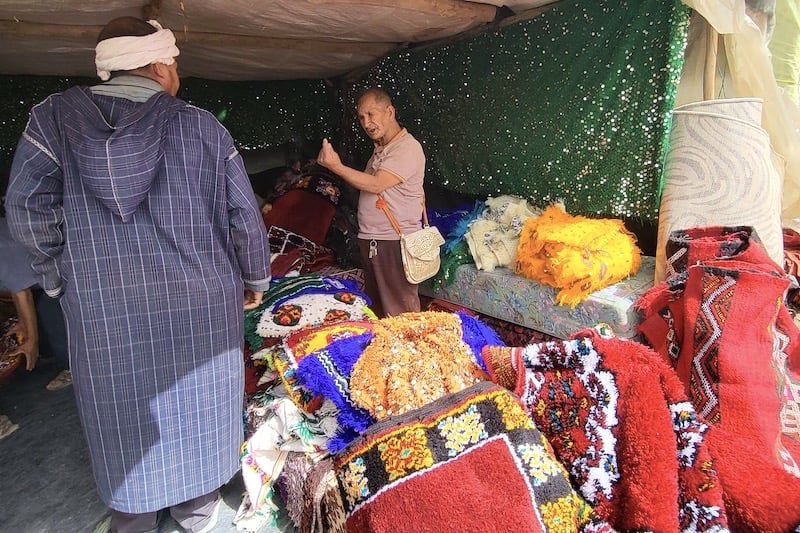
“The market gives us what we need to face the winter, above all woolen blankets and heavy clothes,” said Saïd Marghich, arriving from Aït Abdi.
“People prefer the local wool. It keeps its quality despite competition from modern goods.” Ibrahim Ezzaoui, a regular attendee, says the market has “importance both economic and cultural,” observing that rural families use the fair to sell traditional crafts and agricultural products, and that it serves as a gathering point for mountains residents separated by difficult terrain.
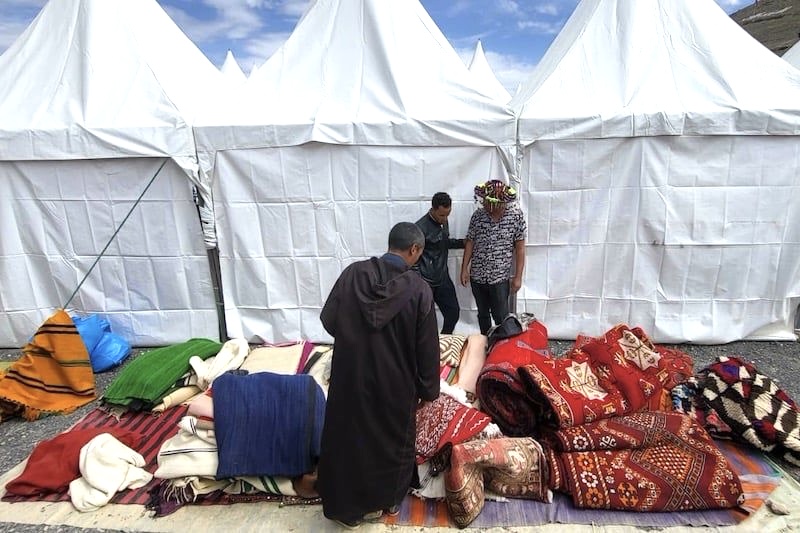
Trader Ahmed Bahdou, who attends Imilchil annually, describes his customers as “knowing exactly what they want, rejecting imported or modern clothes, choosing natural wool despite its higher cost, because it ensures warmth in long winter nights.”
Bahdou says that artisans spin wool, dye it naturally, and prepare these goods year-round so that by market time their stock is ready.

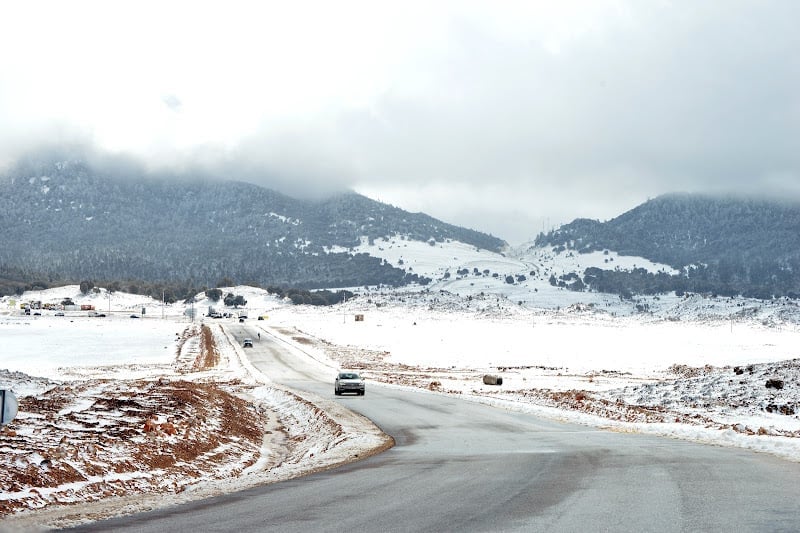
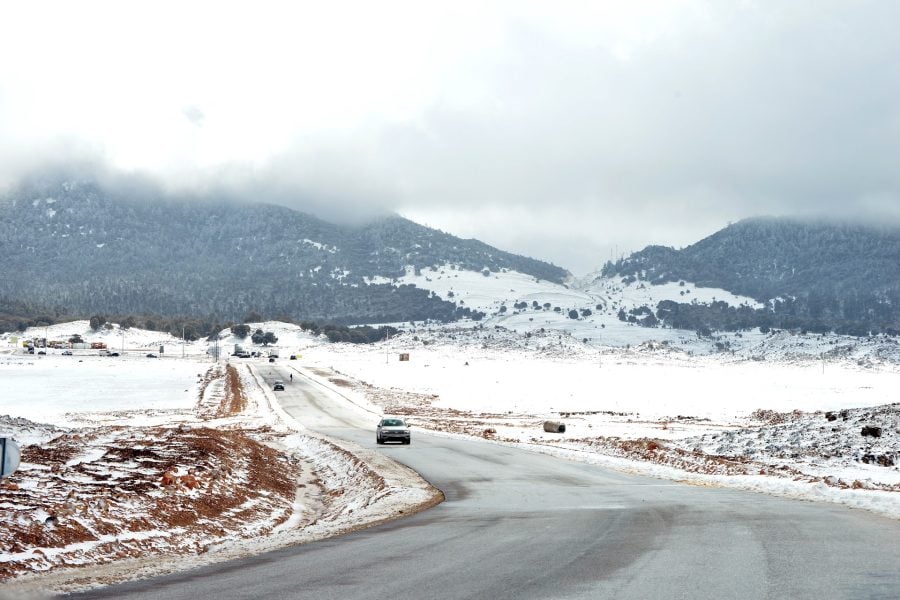
The High Atlas region, including ridges around Jbel Ayachi and communes above elevations of 2,500-3,500 meter, has a documented pattern of winters in which heavy snowfall cuts roads, isolates hamlets for days or weeks, and leads to school closures and delays in medical access.
In Al-Haouz and nearby provinces, quake-displaced families endured these conditions in tents and improvised shelters.







add your comment
Terms of publication : Not to offend the writer, people, sacred things, or attack religions or the divine self, and refrain from racist incitement and insults.