Morocco’s Ministry of Youth, Culture and Communication has officially added three sites to the national heritage register, a legal status that shields buildings and monuments from unauthorized changes.
The measure, published in the Official Gazette, applies to Tetouan’s old medina, Imam Malik High School in Casablanca, and the mausoleum of Al-Mu’tamid Ibn Abbad in Aghmat (Al Haouz).
Why these sites:
Tetouan’s old medina is not new to heritage status. Since 1997, it has been inscribed on the UNESCO World Heritage List as one of the most complete examples of a Moroccan-Andalusian city, with whitewashed walls, narrow streets, and craft traditions preserved since waves of Andalusian refugees settled there in the late 15th century.
Yet international recognition alone doesn’t prevent small but cumulative threats.
Conservationists have long warned that Tetouan’s historic urban fabric faces pressure from informal construction, haphazard renovations, and economic neglect.
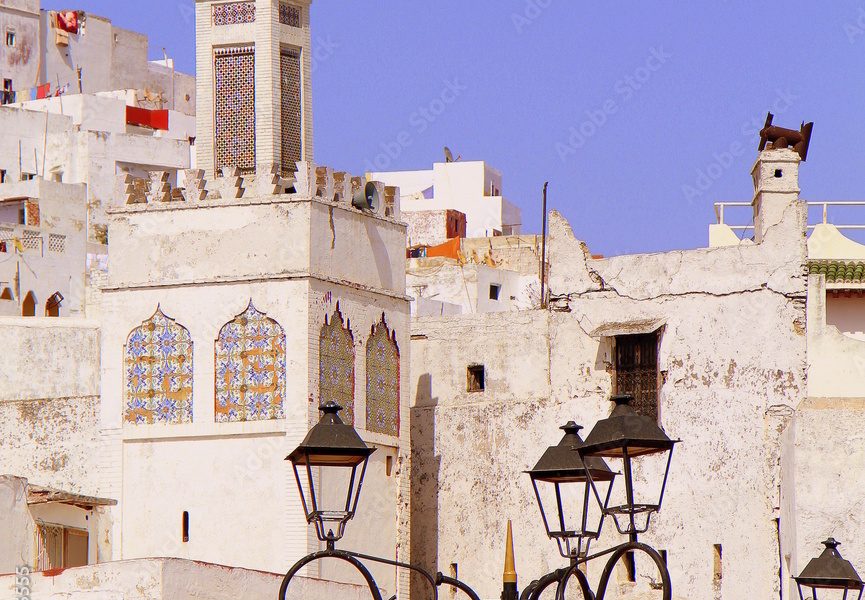
That’s why the regional heritage conservator in Tangier–Tetouan–Al Hoceima formally requested national listing in August 2024.
Unlike UNESCO’s largely symbolic oversight, inscription under Moroccan law (Law 22.80) gives the Ministry of Culture tangible authority: property owners must notify the ministry six months in advance before altering façades or interiors, and unauthorized works can be legally blocked.
– Imam Malik High School in Casablanca may seem like a less obvious choice, but for its alumni it’s a symbol of mid-20th century education and civic identity.
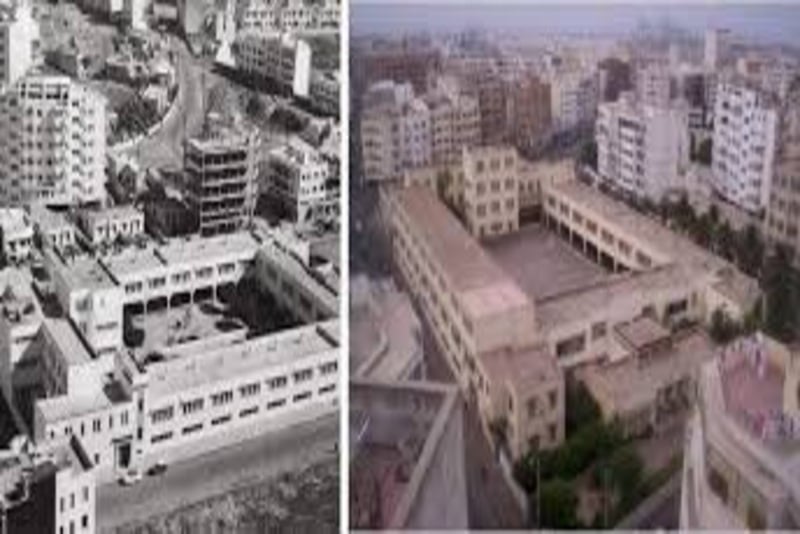
Its protection was requested by the school’s former students, reflecting how heritage debates in Morocco are expanding beyond medinas and mosques to include modern-era public buildings.
In November 2022, in what chronicler Mustapha Jmahri described as a moment of “euphorie et retrouvailles sincères”, former students formally created the Association des anciens élèves du lycée Imam Malik de Casablanca.
Founded in 1925 as École de la Gare, steps from Casa-Voyageurs station, Imam Malik has educated generations of Moroccans for nearly a century.
Its dormitories hosted rural students from Béni Mellal, Settat, El Jadida, and beyond in the 1960s and 1970s, giving them access to Casablanca’s intellectual and cultural scene. The school’s fortress-like design even earned it the affectionate nickname “la Caserne du savoir” from critic and alumnus Hammadi Guerroum.
The alumni association has since become a visible, active community, running Facebook groups, publishing collective memory projects like Le lycée Imam Malik dans les années 1970 (2020), and organizing inter-generational assemblies.
Among its ranks are prominent figures across Moroccan politics, culture, and media, from Head of government Aziz Akhannouch to trade unionist Noubir Amaoui and filmmaker Mostafa Derkaoui.
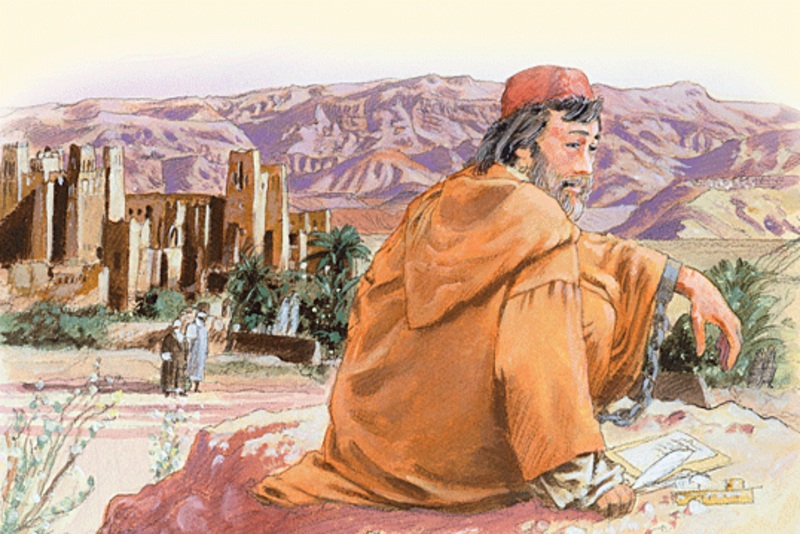
-The mausoleum of Al-Mu’tamid Ibn Abbad, the 11th-century Andalusian poet-king of Seville, sits in Aghmat, a historic town in the Haouz region near Marrakech.
After losing his throne to the Almoravids in 1091, Al-Mu’tamid was exiled to Aghmat, where he died in 1095, leaving behind verses of longing for Seville that made him a symbol of Andalusian memory. His grave became a pilgrimage site for poets, historians, and cultural figures across centuries, embodying the shared Hispano-Moroccan heritage.

Despite its symbolic value, the shrine has long been modest, subject to weathering and local neglect. Civil society groups like “Friends of Aghmat” have campaigned to protect and elevate it, submitting a formal request in January 2025 for national inscription. Their push reflects a wider concern: while Morocco has prioritized urban medinas and monumental architecture, rural heritage sites tied to memory and identity often fall through the cracks.
What the law does: Under Morocco’s 1980 heritage law (Law 22.80), once a site is listed, no alteration of its form or components can take place without notifying the ministry at least six months in advance. This gives authorities time to assess potential threats and intervene if necessary. A cross-ministerial committee reviewed the petitions before approval.




add your comment
Terms of publication : Not to offend the writer, people, sacred things, or attack religions or the divine self, and refrain from racist incitement and insults.