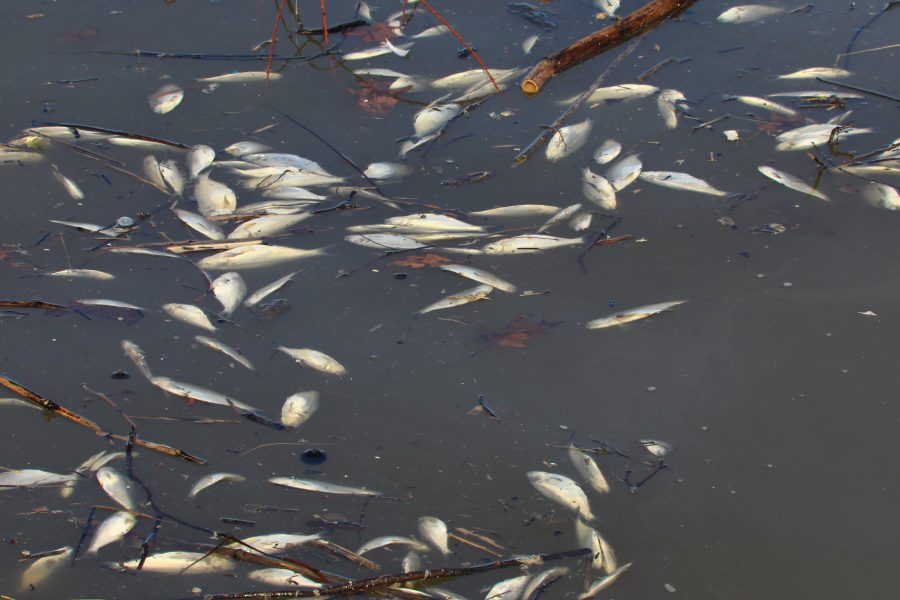
Fish from Betoya Bay in Nador contain potentially toxic elements that could put children’s health at risk, even though immediate dangers for adults remain limited, according to a scientific study published in the Marine Pollution Bulletin.
Researchers tested three widely consumed species; sardines, anchovies, and horse mackerel, caught during winter and summer. They discovered traces of heavy metals such as arsenic, cadmium, mercury, chromium, cobalt, copper, iron, and zinc in different parts of the fish.
The liver was the most contaminated organ, while the muscles, which people usually eat, carried lower levels.
The study said that the amount of contamination was generally higher in winter.
Sardines in particular showed increased levels of arsenic, cadmium, mercury, and zinc during the wet season.
While the daily intake of these metals through fish consumption was found to be below international safety limits for most adults, the same could not be said for children.
Cadmium and iron levels were shown to exceed safe thresholds for younger consumers, raising concerns about long-term exposure.
The findings also pointed to arsenic in sardines and horse mackerel as a potential hazard for children in both winter and summer.
While elements like iron, copper, and zinc are essential in small amounts, they become dangerous when levels rise, leading to problems ranging from fatigue and hair loss to organ damage.
Metals such as arsenic, cadmium, mercury, and hexavalent chromium, however, have no biological benefit and are toxic even at very low doses.
Although the researchers concluded that eating fish from Betoya Bay does not pose an immediate threat to the population, the carcinogenic risk was flagged as significant, especially with chromium levels in adults.
The long-term danger comes from bioaccumulation, as pollutants from industrial and urban activity build up in marine life over time.
Betoya Bay has seen rapid industrial growth, new port construction, and a lack of adequate wastewater treatment, factors that researchers say are contributing to rising pollution.
The authors called for regular monitoring of fish and the local population to better anticipate risks. They also urged authorities to take measures to reduce contamination before it becomes a larger public health problem.





add your comment
Terms of publication : Not to offend the writer, people, sacred things, or attack religions or the divine self, and refrain from racist incitement and insults.