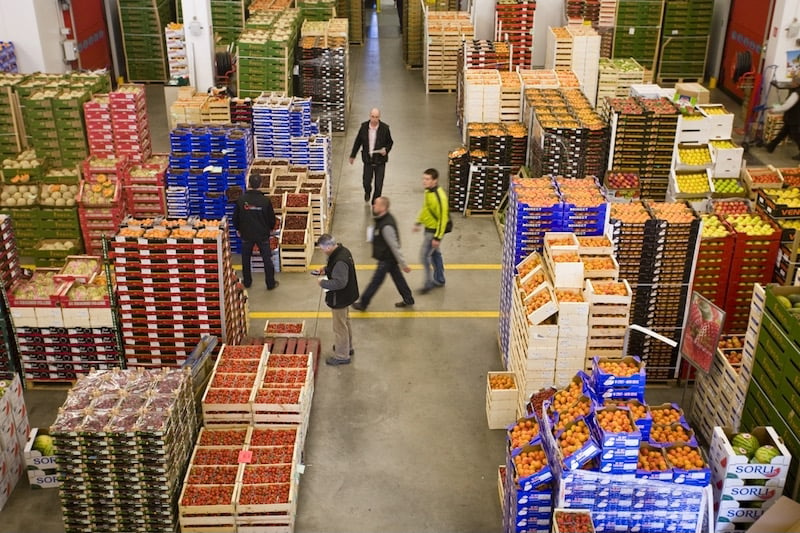
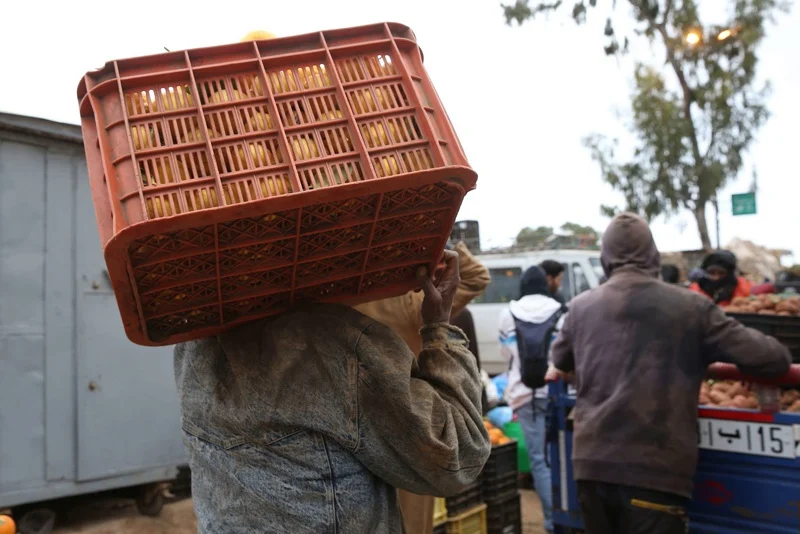
Morocco has bolstered its position as one of Russia’s main fruit suppliers during the period from January 1 to August 8, according to the Russian Federal Service for Veterinary and Phytosanitary Surveillance (Rosselkhoznadzor).
Large volumes of Moroccan agricultural shipments entered Russia through the ports of St. Petersburg and Leningrad Oblast, contributing to more than 1.3 million tons of fruits and vegetables imported by Moscow from 38 countries so far this year.
A statement from the regional branch of Rosselkhoznadzor indicated that imports of fruits and vegetables increased by 8% compared to the same period in 2024. The most imported products included fresh fruits, particularly bananas (over 84,000 tons) and mandarins (around 59,000 tons).
Other key imports included lemons, clementines, apples, apricots, pineapples, avocados, and strawberries, mainly sourced from South Africa, Morocco, and Egypt, alongside Argentina, Pakistan, Ecuador, Serbia, and Brazil.
On the vegetable side, Russia imported more than 25,000 tons, with potatoes, carrots, and garlic being the most prominent. The main suppliers were Belarus, Egypt, and China. All incoming shipments reportedly passed phytosanitary inspections before entering Russian markets.
Commenting on the data, agricultural expert Riyad Ouhtita said Russian importers are increasingly turning to Moroccan agricultural products due to their quality, competitiveness, and compliance with health and environmental standards.
“Countries like Iran and Egypt compete with Morocco in volume, but not in quality,” Ouhtita told Hespress. “The trust Russian buyers place in Moroccan goods is the result of years of experience in agricultural production and export.”
He noted that since Russia’s ties with the European Union deteriorated following the war in Ukraine, Moscow has sought to diversify its agricultural trade, finding in Morocco a reliable partner. At one point, Spanish investors were buying Moroccan produce for re-export to Russia to circumvent EU sanctions.
Ouhtita also highlighted the impact of Moroccan innovation, such as the individual quick freezing (IQF) technique, which has boosted exports of red berries to Russia.
Furthermore, he cited Morocco’s recent strategic investment in seawater desalination plants as a key factor in overcoming water scarcity, allowing the kingdom to expand agricultural production and reach new export markets across the globe.






add your comment
Terms of publication : Not to offend the writer, people, sacred things, or attack religions or the divine self, and refrain from racist incitement and insults.