
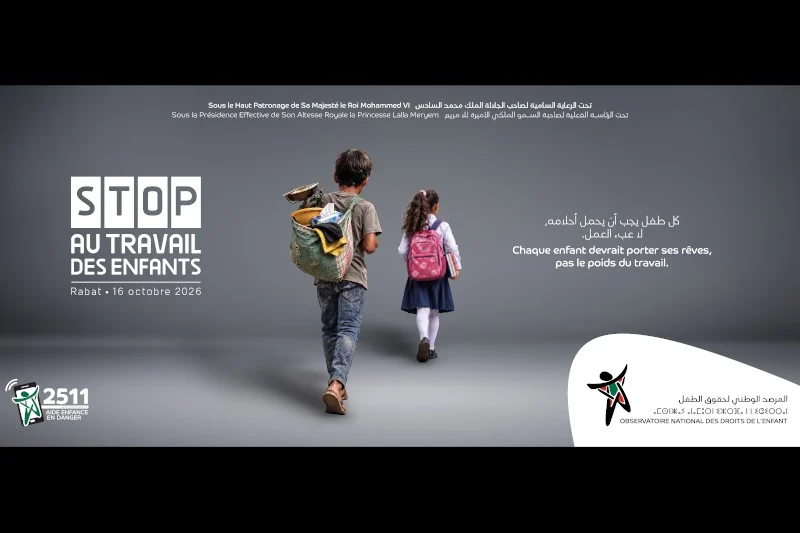
As Morocco’s summer break begins, growing numbers of children are turning to seasonal work in tourist cities, a reality driven by poverty, school-related expenses, and lack of structured alternatives. The trend is raising questions about the legal regulation of child labor and the role of civil society in preventing exploitation.
While some see summer jobs as opportunities to build life skills, others warn of the dangers of unregulated and hazardous labor. Civil society leaders stress the importance of distinguishing between constructive work experiences and exploitative practices that threaten children’s health, dignity, or education.
The Role of Civil Society
Hassan Houmir, a civil society activist, said child labor spikes during summer due to families seeking extra income. “For children over 13, I don’t see harm in them engaging in light work. It can help them develop life skills and understand real-world challenges,” he told Hespress AR.
He noted, however, the need for strong protections. “We must shield children from physically demanding or unsafe work environments,” he said, adding that raising awareness among families and employers is essential.
More concerning, Houmir said, are instances of children forced into panhandling or street vending — activities he described as damaging to the child and society’s image. “These cases require urgent intervention,” he stated.
Fellow activist Abdelhadi Hanin echoed these concerns, emphasizing that child labor is legally prohibited under both Moroccan law and international treaties. He criticized the lack of enforcement, especially during school breaks. “The problem worsens in summer due to poverty and the absence of viable alternatives,” he said, while acknowledging that some minors engage in work voluntarily, especially in tourist hubs.
Hanin emphasized that civil society has a central role in education, organizing awareness campaigns and offering structured activities. “Summer camps and school programs are where children belong, not on the streets or in risky jobs,” he said.
Legal Framework and Social Challenges
Human rights advocate Yassine Belkajjdi said the issue must be viewed with nuance. “Not all child work is inherently negative. For some families, it’s a necessity, and some children genuinely want to contribute,” he told Hespress AR.
Moroccan law, particularly the 2003 Labor Code, bans employment of children under 15 and prohibits hazardous work for those aged 15 to 18. Belkajjdi added that Morocco is a signatory to ILO Convention No. 138, which mandates that the minimum working age must not interfere with compulsory education and should not be less than 15.
Still, exceptions exist. “Light, non-harmful work that doesn’t interfere with school is permitted and can even be beneficial,” he explained.
For families facing financial hardship, summer is often a vital period for children to earn money for school supplies or clothes. “Some kids choose to work rather than beg or turn to crime,” Belkajjdi said. “They carry adult responsibilities at a young age.”
He called for society to accept seasonal work within reason, as long as children’s rights and dignity are upheld. “We need a collective effort to guide these children toward safe, meaningful work experiences that prepare them for the school year ahead,” he said.
As Morocco grapples with balancing child rights and socio-economic realities, the debate over summer child labor underscores the need for urgent policy adjustments, stronger enforcement, and greater investment in youth programs.







add your comment
Terms of publication : Not to offend the writer, people, sacred things, or attack religions or the divine self, and refrain from racist incitement and insults.