
Political engagement in Morocco remains among the lowest on the African continent, according to a new Afrobarometer survey that highlights limited participation in elections, party activity, and protests.
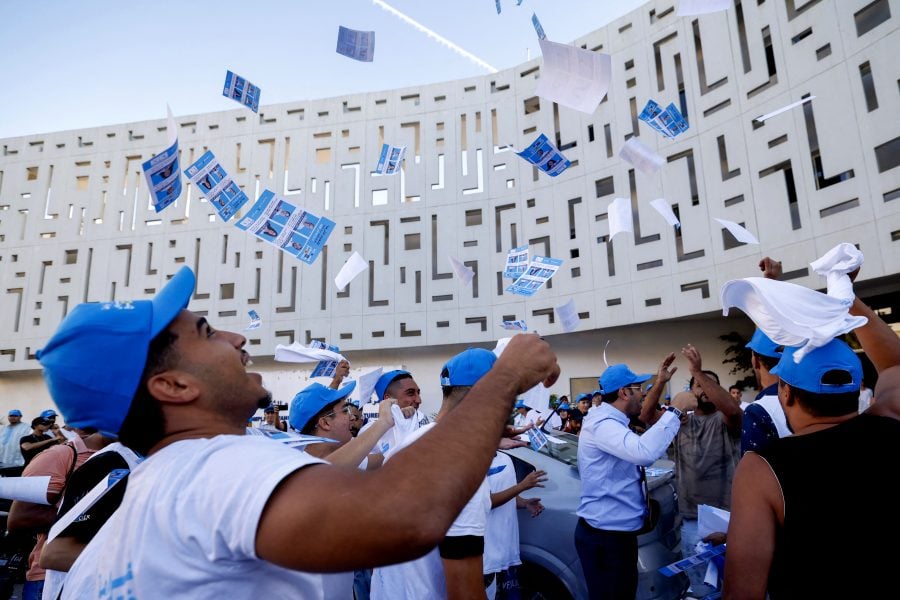
Only 7% of Moroccans reported working for a political party or candidate, and just 16% said they had attended a campaign rally—placing the country near the bottom of the continental ranking, ahead only of Tunisia, the report said.
The survey, conducted across 39 African countries between 2021 and 2023, found the continental average for citizens who worked for a party or candidate is 30%. Political involvement was notably higher in countries such as Benin (33%), Mali (30%), and Senegal (29%).
Despite the low participation rates, Morocco was the only country to see a rise in party affiliation, with a modest 4-point increase. Meanwhile, Burkina Faso recorded the sharpest decline, with a 45-point drop in party affiliation.
Voter Turnout Lagging Behind
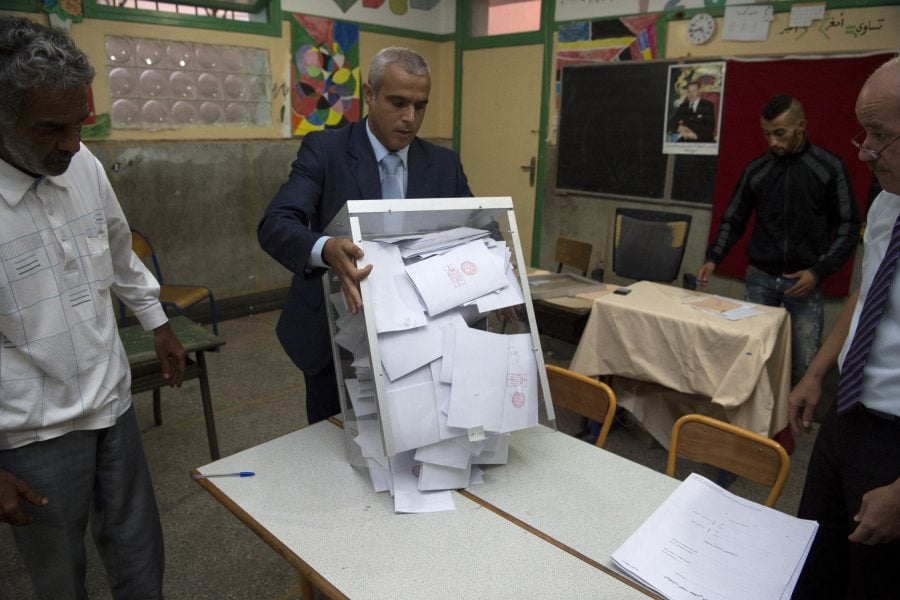
Only 48% of Moroccans said they voted in the most recent national election, far below the African average of 72%. Seychelles (91%) and Sierra Leone (90%) topped the voter turnout rankings.
Participation in Morocco was notably higher among older adults: 56% of respondents aged 36 and older said they voted, compared to 41% of those between 18 and 35.
Political Alignment and Civic Voice
Just 24% of Moroccans said they feel close to any political party, well below the continental average of 41%. In contrast, Sierra Leone (73%) and Tanzania (67%) reported strong political party identification. The figure was also low in Sudan (11%) and Tunisia (7%).
Moroccans showed relatively stronger engagement in political discourse: 57% reported occasionally discussing political issues, and 18% said they do so frequently, compared to continental averages of 44% and 18%, respectively.
Civic engagement was more robust, with 36% of respondents stating they had joined others to raise an issue, placing Morocco in the top five countries on this measure. Only 9% of Tunisians reported the same level of involvement.
Low Protest and Leadership Contact Rates
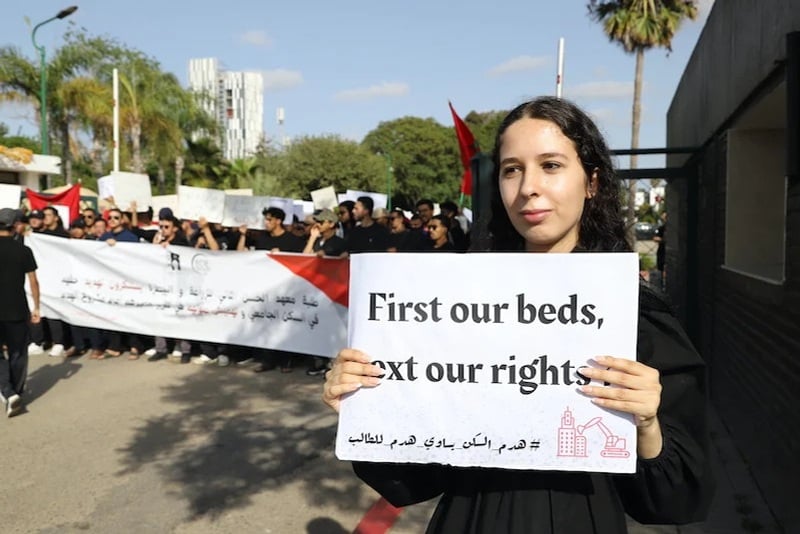
Protest participation remains limited. Only 9% of Moroccans said they joined a demonstration or protest during the survey period, matching the continental average. Older adults were more likely to protest than youth. Countries such as Ethiopia (25%), Mali (20%), and Tunisia (13%) showed higher protest activity.
In terms of outreach to public figures, 19% of Moroccans said they contacted a local government councillor, while 9%reached out to a Member of Parliament, 16% to party officials, and 25% to traditional leaders. Older respondents were generally more active in reaching out than younger citizens.
A Landscape of Political Apathy?
The report paints a picture of a politically cautious Moroccan public, more likely to talk politics or join local initiativesthan to vote, campaign, or protest. Analysts say these findings underscore a disconnect between citizens and political institutions, even as modest gains in party affiliation hint at potential for renewed engagement.


add your comment
Terms of publication : Not to offend the writer, people, sacred things, or attack religions or the divine self, and refrain from racist incitement and insults.