
Momentum is growing for a potential resolution to the long-running Moroccan Sahara conflict, with experts forecasting 2026 as a likely turning point.
Increasing global support for Morocco’s autonomy plan, waning backing for the Polisario Front, and strong endorsements from world powers such as the United States, United Kingdom, and France have contributed to renewed optimism.
International relations expert Lahcen Akrtit told Hespress that recent political, diplomatic, and strategic developments point toward a shift in the regional and global landscape that favors Morocco’s position.
He described the U.S. recognition of Moroccan sovereignty over the Sahara in December 2020 as a watershed moment that triggered a broader change in international attitudes.
Following the U.S. lead, other influential nations—most notably Spain, France, and more recently the United Kingdom—have taken steps to align with Morocco’s stance.
Akrtit highlighted a recent statement by UK Foreign Secretary David Lammy in the House of Commons, reaffirming the UK’s support, which was further strengthened by a British court ruling dismissing legal challenges filed by the Polisario Front against UK-Morocco agreements.
According to Akrtit, the diplomatic momentum is also evident in Africa, where Kenya, once aligned with Algeria and the Polisario Front, has reversed its position. Similar diplomatic shifts have occurred globally, with countries such as Ecuador and Syria closing Polisario offices—developments Akrtit described as symbolic of the movement’s eroding support base.
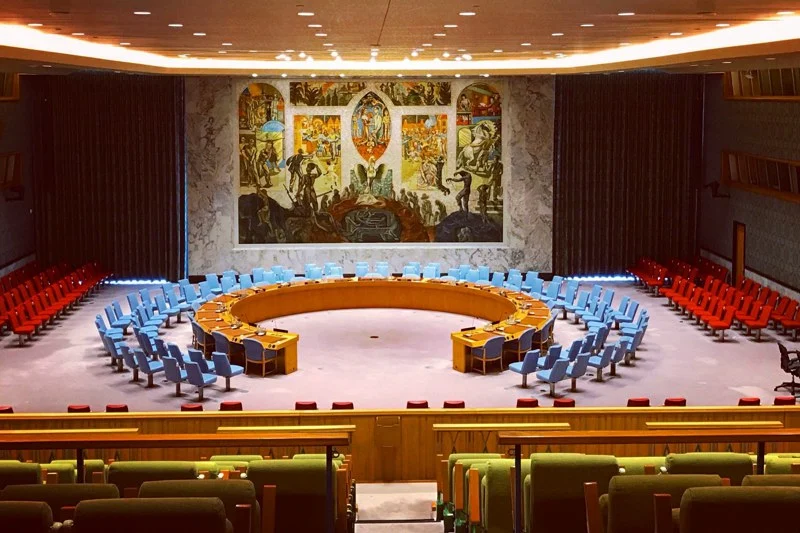
He pointed to UN Security Council Resolution 2756 as a significant indicator of this shift, highlighting its recognition of Morocco’s autonomy plan as the only realistic and viable solution. He added that Algeria, the Polisario’s principal backer, is facing growing diplomatic isolation and increasing scrutiny over its regional policies.
Akrtit also warned of a growing narrative linking the Polisario Front to criminal and extremist networks operating in the Sahel region. He noted that legislative discussions are underway in several countries that could lead to the designation of the Polisario as a terrorist organization.
“The political, legal, and diplomatic signs are aligning,” Akrtit said. “The tide has clearly turned in Morocco’s favor, and the days of this fabricated conflict are numbered.”
Abdelfattah El Fatihi, another Moroccan expert in international relations, echoed this outlook, predicting a growing international consensus in support of the Moroccan autonomy plan.
He emphasized that three of the five permanent members of the UN Security Council—the U.S., UK, and France—already support Morocco’s sovereignty, while China and Russia have remained neutral, creating a favorable diplomatic environment for a resolution.
El Fatihi also pointed to the European Union’s backing, particularly from Spain, as well as strong endorsements from Arab, Islamic, and African countries. These collective positions, he said, are putting additional pressure on the United Nations to endorse the autonomy initiative formally.
Citing recent remarks by UN Envoy Staffan de Mistura and Moroccan UN Ambassador Omar Hilale—who spoke of “imminent good news”—El Fatihi said the coming months would be critical. He expects a diplomatic breakthrough before the next anniversary of Morocco’s historic Green March in November 2026.
If these projections hold, 2026 could mark a definitive chapter in one of North Africa’s most enduring geopolitical disputes, potentially ushering in a new era of stability and regional cooperation.



add your comment
Terms of publication : Not to offend the writer, people, sacred things, or attack religions or the divine self, and refrain from racist incitement and insults.