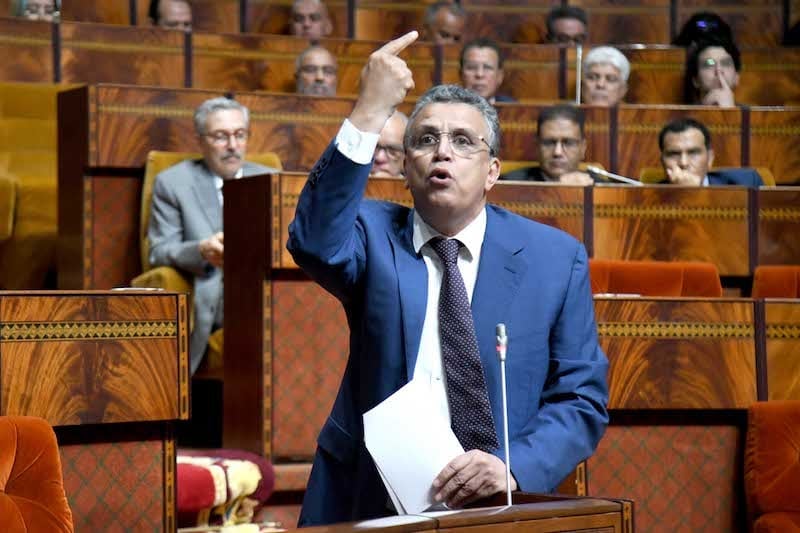
Moroccan Minister of Justice Abdellatif Ouahbi has confirmed that the Amazigh language is being integrated into the judicial system, in line with Article 36 of the organic law aimed at implementing the official status of Amazigh. He announced that the Ministry has organized a recruitment exam for social assistants fluent in Amazigh, in collaboration with the Royal Institute of Amazigh Culture (IRCAM).
Speaking during a parliamentary session on Monday, Ouahbi noted that the nationality law was amended to include the ability to speak either Arabic or Amazigh, thanks to a proposal from the Istiqlal Party. He stressed that about two-thirds of Moroccan judges already speak Amazigh, making it unlikely for a citizen to visit a court and not find someone who can communicate in the language.
Supports Creation of Specialized Family Courts
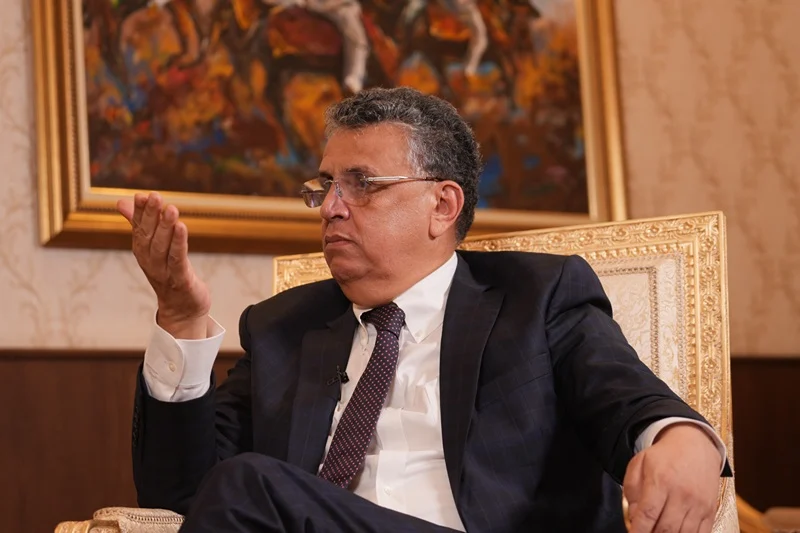
In response to a question about family courts, Ouahbi revealed that 87 family court sections exist nationwide, with 75 currently operational. He voiced his support for the creation of independent, specialized family courts that would handle marriage, divorce, and inheritance cases, as well as family-related criminal matters like domestic violence. “The Moroccan family deserves social courts of a higher standard,” he said.
Calls for Reform of Commercial Code
Regarding commercial law, Ouahbi criticized the current one-size-fits-all approach to insolvency procedures, saying it overwhelms commercial courts by treating all companies the same, regardless of their size. He argued that the current commercial code has become a barrier to Morocco’s economic development and must be reformed.
Decentralization and Legal Responsibility of Local Officials
The minister also announced broader delegations of authority to regional directors, who will now represent the Ministry of Justice at the level of appellate court jurisdictions and handle human resources, budgeting, and logistics.
Commenting on local governance, Ouahbi said the current legal framework restricts the powers of municipal presidents and often blurs the line between administrative missteps and criminal offenses. He called for a legal overhaul to better distinguish between honest mistakes and corruption. He stated:
“If a mayor is corrupt, he should go to jail. But if he’s honest and just made an error, I will fight to protect him. That’s my job.”







add your comment
Terms of publication : Not to offend the writer, people, sacred things, or attack religions or the divine self, and refrain from racist incitement and insults.