
A quiet land-buying frenzy is sweeping across the outskirts of major Moroccan cities, including Casablanca, Marrakech and Tangier, as developers and speculators rush to acquire farmland ahead of expected changes to urban zoning regulations.
According to sources who spoke to Hespress AR, many rural zones currently classified as agricultural are likely to be reclassified as residential in the next wave of urban planning. The anticipated re-zoning has sparked fierce competition, sending land prices soaring.
In areas around Casablanca, parcels that sold for MAD 500 per square meter just a few years ago are now fetching five to seven times that amount, driven by speculation and rumors of future development.
Most of the transactions are being conducted discreetly, often in cash and through intermediaries to avoid scrutiny. Developers are deliberately keeping their targets under wraps, especially as unofficial leaks of city planning documents circulate among insiders.
The rush has also extended to politicians and community leaders, some of whom have reportedly purchased farmland and properties in designated “redevelopment zones” likely to be included in new residential or mixed-use development projects.
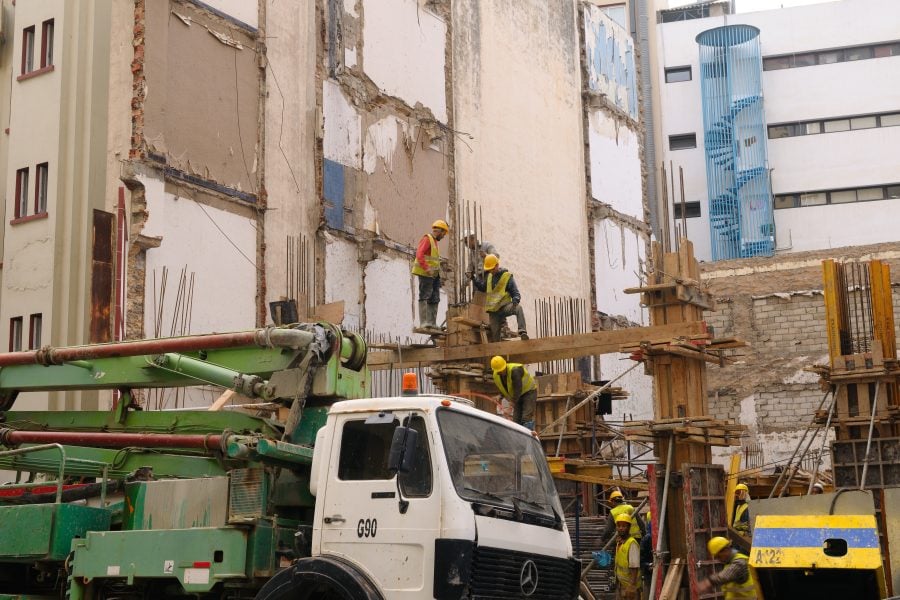
The current urban plans—set on a 10-year timeline—are reaching the end of their legal lifespan. Upcoming revisions may eliminate green belts and open public spaces, allowing more land to be converted into residential areas, including plots for villas and multi-story housing.
In Casablanca’s Ain Chock district—home to some of the city’s most expensive real estate—the competition for land is especially intense. Once-overlooked plots are now in high demand, raising concerns about favoritism in the allocation of building permits.
Local councils, increasingly alarmed by the rapid and opaque nature of these developments, are demanding greater involvement in the urban planning process. Many are pushing for stronger protections for public interest, including the preservation of open spaces and inclusion of schools, clinics, and other community infrastructure.
More than 500 formal objections have already been filed by residents in affected areas, calling for transparency, fairness, and the prioritization of long-term community needs over short-term profits.




add your comment
Terms of publication : Not to offend the writer, people, sacred things, or attack religions or the divine self, and refrain from racist incitement and insults.