
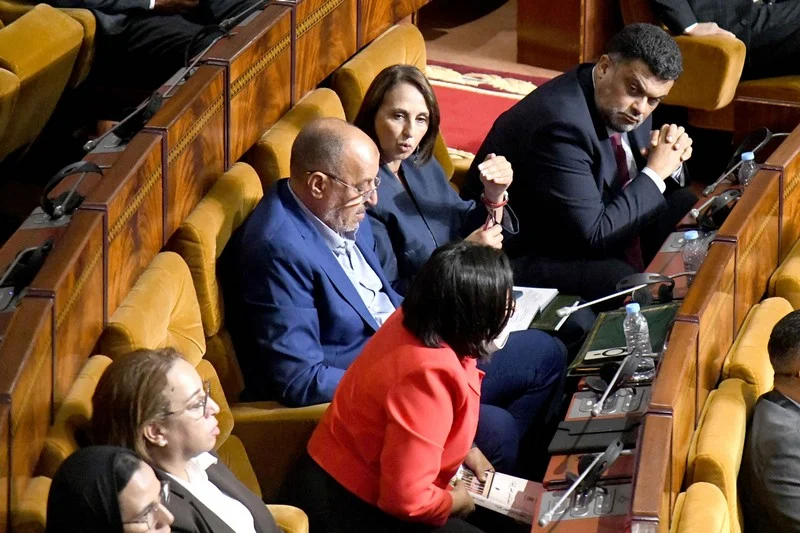
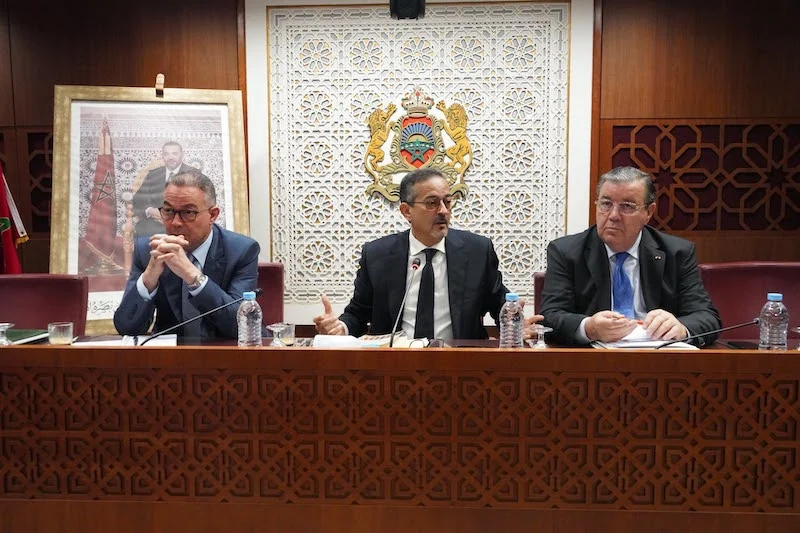
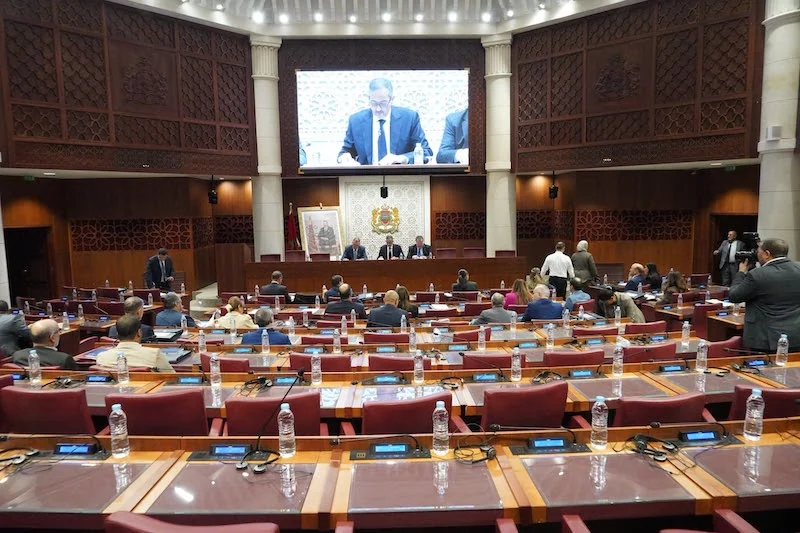
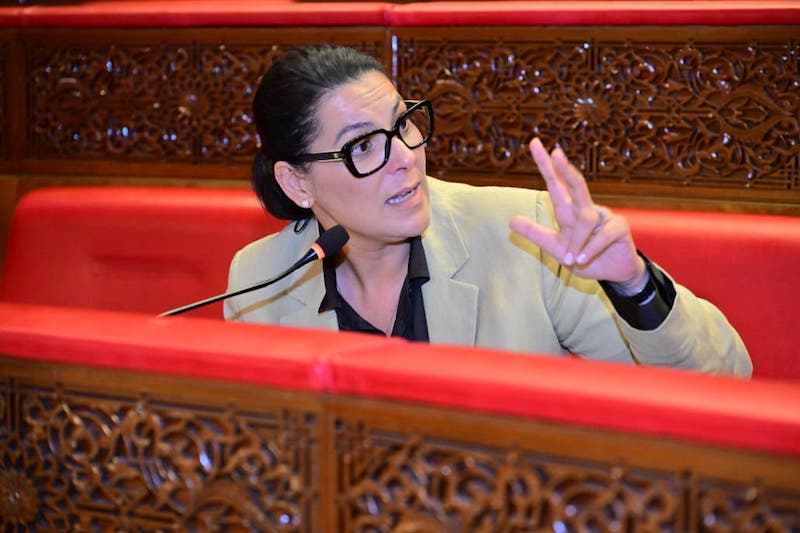
The Popular Movement group submitted a legislative proposal in the House of Representatives to regulate the work of commercial middlemen, particularly in the sale of agricultural and fishery products.
The draft law proposes fines ranging from MAD 10000 to 50000 for individuals operating as intermediaries without official authorization.
The aim of the proposal is to bring order to a sector that lawmakers say suffers from a large number of unlicensed intermediaries.
According to the draft, this situation contributes to a rise in final prices for consumers due to the accumulation of profit margins along the supply chain.
The proposed law covers intermediaries involved in the trade of products from rural, mountainous, and marine areas, such as vegetables, fruits, and fish.
It defines a middleman as anyone who regularly or professionally purchases such products from producers or cooperatives for resale, or who connects them directly or indirectly with markets, distributors, or consumers.
Under the plan, no one will be allowed to work as a broker unless they obtain a license issued by the Ministry of Agriculture, the Ministry of Maritime Fisheries, or the authority in charge of the solidarity economy.
A regulatory text will set the conditions for obtaining this license, as well as the services intermediaries may offer, rules on storage and transport, and measures to prevent hoarding and speculation.
To qualify for a license, applicants must be Moroccan citizens, have no criminal record related to dishonesty or financial crimes, not be undergoing judicial liquidation, and possess a business registration.
Applicants must also have a fixed headquarters within Morocco.
The law would also classify licensed middlemen as professional traders, making them subject to commercial registration, accounting rules, and tax inspections.
Supervision of brokers will fall under the responsibility of the relevant government departments, including the Ministry of Agriculture and the Ministry of the Interior.
Professional chambers may also be assigned certain oversight tasks.
According to Article 8 of the draft, a license may be withdrawn in cases of price manipulation, fraud, or market speculation.
The proposal also allows for the confiscation of goods in repeat offenses and refers to other administrative or judicial penalties under existing laws.
The proposal is based on recommendations from oversight bodies and parliamentary reports, which highlighted the strong position of intermediaries in the supply chain.
The absence of regulation has allowed brokers to influence prices unfairly, often earning more than producers themselves.
The proposal also refers to a 2011 speech by King Mohammed VI, in which he emphasized the need for fair competition and the fight against monopolies, corruption, and unjustified privileges.






add your comment
Terms of publication : Not to offend the writer, people, sacred things, or attack religions or the divine self, and refrain from racist incitement and insults.