
Several local elected officials in Morocco are under scrutiny and may face dismissal or prosecution following a wide-ranging administrative reshuffle and a new wave of inspections by the Ministry of Interior.
According to informed Hespress AR sources, the recent appointment of Mohamed Fouzzi as Wali and Inspector General of Territorial Administration has accelerated the activation of inspection reports, particularly in the provinces of Berrechid, Settat, Mohammedia, and Benslimane, located in the Casablanca–Settat region.
The reports, compiled by Interior Ministry inspectors during months-long field visits, reveal serious irregularities in financial and administrative management. Alleged infractions include mismanagement of local taxes—especially on undeveloped urban land and commercial and industrial permits—as well as illegal urban planning decisions and questionable ties between local council leaders and contractors who repeatedly won public contracts in narrow geographic zones.
The sources noted that dozens of inspection reports have been forwarded to newly appointed provincial governors, who are requesting formal responses from the implicated council presidents. The Ministry has instructed its territorial administrators to act firmly and apply legal procedures without regard for political or electoral considerations.
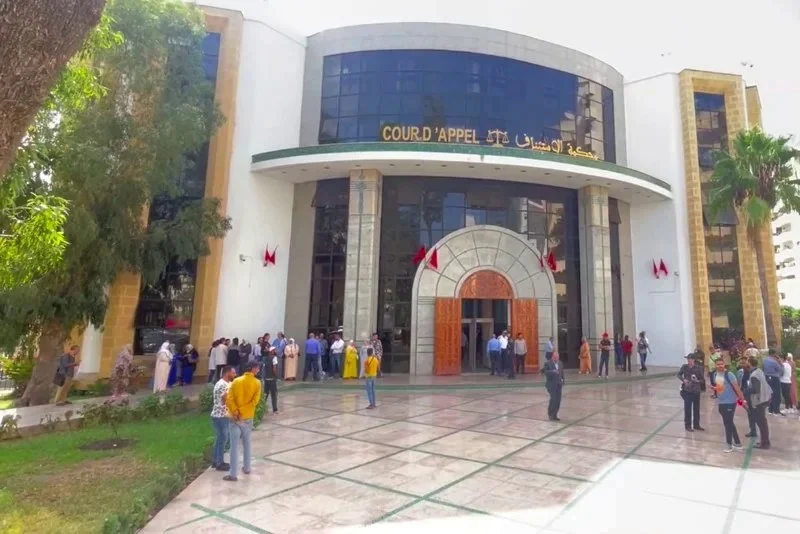
The anticipated disciplinary actions may rely on provisions of Morocco’s legal framework for local governance. Article 20 of Organic Law No. 113.14 allows for suspension or dismissal of local officials convicted of crimes affecting their eligibility. Similarly, Article 142 of Organic Law No. 59.11 considers such officials to have effectively resigned once a violation is confirmed by the regional governor.
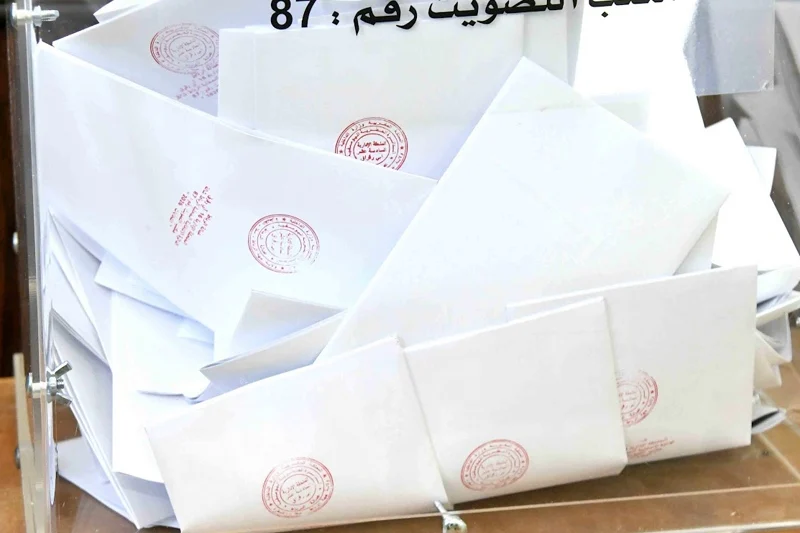
Some local officials have already begun requesting urgent meetings with new governors and offering congratulations, hoping to resolve longstanding governance issues. However, sources say the unfolding investigations may disrupt the political map ahead of Morocco’s 2026 elections, with potential prosecutions before financial crimes courts possibly barring officials from seeking reelection.
The audit findings also point to irregularities in public procurement documents. Investigators found suspicious contract language favoring specific suppliers and detailing narrowly defined equipment standards—raising concerns about transparency in awarding public deals.





add your comment
Terms of publication : Not to offend the writer, people, sacred things, or attack religions or the divine self, and refrain from racist incitement and insults.