
The United Nations General Assembly is expected to vote in May on a proposed $71.8 million budget for the MINURSO peacekeeping mission in the Sahara, marking a 4.4% increase from the current fiscal year, according to official documents reviewed by Hespress AR.
The budget, submitted by UN Secretary-General António Guterres for the financial year spanning July 1, 2025, to June 30, 2026, seeks to address ongoing security and logistical challenges east of the sand berm, where Polisario Front-imposed restrictions have hampered mission operations.
The proposal reaffirms MINURSO’s core mandate of monitoring the ceasefire, investigating military incidents, and supporting the UN-led political process, as outlined in Security Council Resolution 2756 (2024).
Guterres’ report highlights severe logistical obstacles in the mission’s eastern zone. Due to restrictions imposed by the Polisario Front since its 2020 unilateral withdrawal from the ceasefire agreement, supply convoys have been reduced to just one per month — significantly limiting field operations.
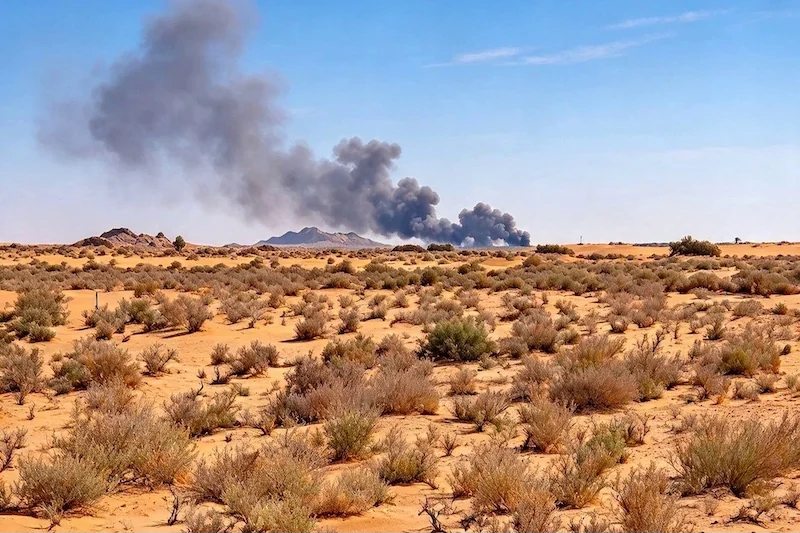
In response, the UN plans to scale up demining activities, aiming to clear over five million square meters of hazardous terrain next year, while also boosting the mission’s capacity to manage risks posed by unexploded ordnance.
The report also confirms earlier Hespress AR findings that the UN intends to phase out the UNHCR-run family visit exchange program between Tindouf refugee camps and the Moroccan Sahara due to the prolonged political deadlock and logistical constraints.
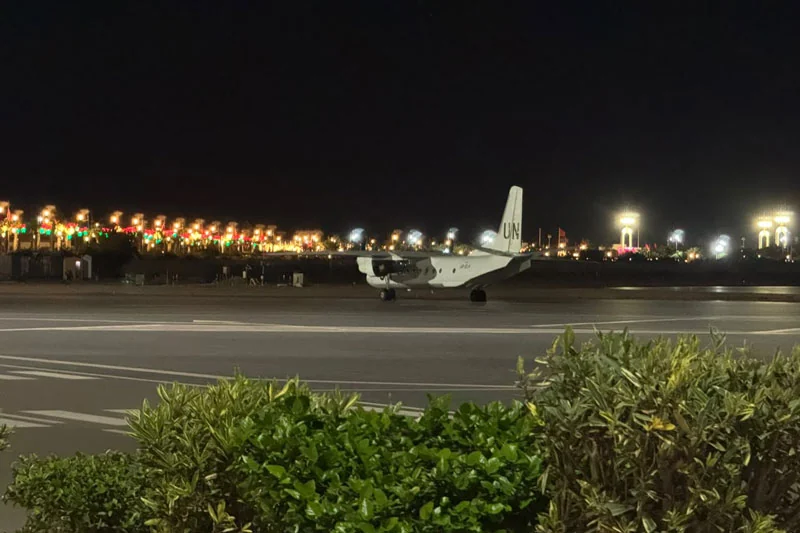
In a cost-cutting move, the UN will reduce the number of helicopters assigned to MINURSO from three to two, part of a broader package of efficiency measures designed to trim expenditures while preserving operational effectiveness. Aerial patrols will be rescheduled and concentrated on priority areas.
Despite limited air resources, the mission will continue its critical tasks — monitoring ceasefire compliance, ensuring safe staff mobility, and responding to field emergencies.
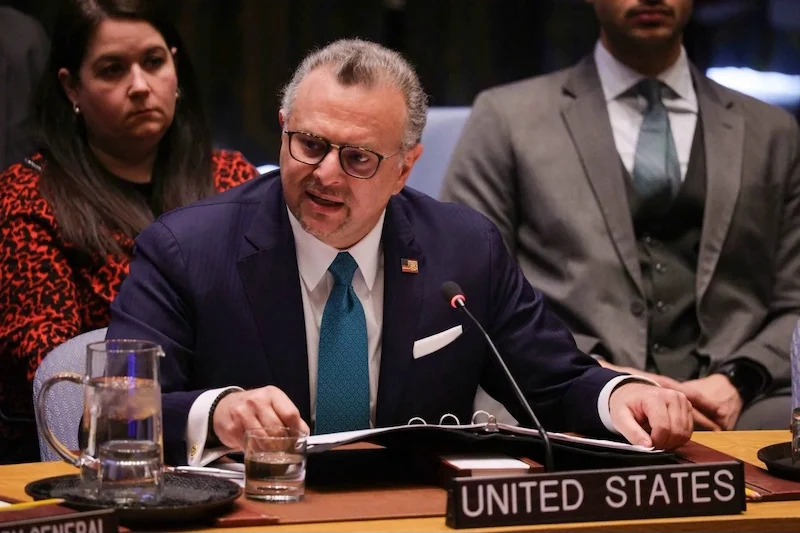
According to the personnel breakdown, MINURSO currently includes 218 military observers, 27 troops, 12 UN police officers, 88 international staff, 2 national professionals, 161 local staff, 17 UN volunteers, and 10 seconded government personnel. This multinational workforce supports daily mission operations but is facing growing scrutiny, particularly from the United States, which has long pressed the UN to reduce funding for peacekeeping missions lacking political progress — MINURSO among them.
Still, the report warns that slashing the mission’s resources could be dangerous, especially amid rising regional tensions, movement restrictions on observers, and persistent threats from landmines and unexploded ordnance.
The UN’s Fifth Committee, which oversees administrative and budgetary issues, will review the secretary-general’s proposal and the accompanying report by MINURSO chief Alexander Ivanko before sending its final recommendations to the General Assembly for approval in the coming weeks.




add your comment
Terms of publication : Not to offend the writer, people, sacred things, or attack religions or the divine self, and refrain from racist incitement and insults.