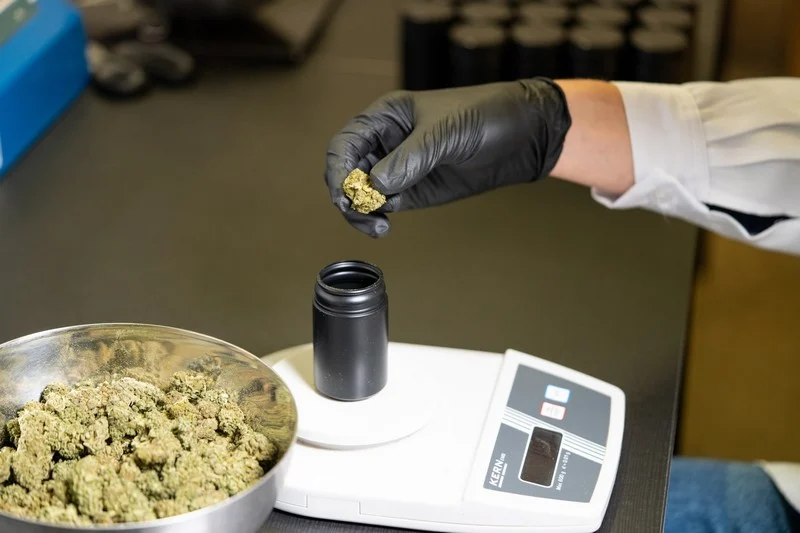
As Morocco moves forward with its historic decision to legalize cannabis for medical and industrial purposes, industry experts and stakeholders are calling for urgent reforms to unlock the plant’s economic potential and position the country as a global leader.
At a scientific conference held in Casablanca, organized by the Moroccan Association for the Legal Uses of Cannabis, participants discussed the challenges slowing the development of cannabis-derived pharmaceuticals and the opportunities for Morocco in a rapidly expanding global market.
Rabii Ridouane, president of the association, said that while the legalization law marked a historic turning point, progress has been disappointing. Ridouane attributed the delays to the absence of a unified strategic vision, noting that the association advocates following Israel’s successful model for developing medical cannabis products.
One major hurdle, Ridouane added, is the lack of education and training among healthcare professionals. Many Moroccan doctors and pharmacists remain unfamiliar with the therapeutic uses of cannabis. To address this, the association launched the “Kif Training” initiative to raise awareness and build local expertise.
Ridouane also expressed frustration that international partnerships, such as those with Israel’s Sheba Medical Center, have not yet translated into tangible progress on the ground.
Developing innovative cannabis-based treatments could not only improve patient care but also create significant economic opportunities for farmers and manufacturers, ultimately boosting the national economy, Ridouane said.
Abdelilah Boutaleb, former Secretary-General of the Ministry of Health and a health systems expert, highlighted the immense potential of the medical cannabis market, projected to reach $50 billion by 2028. He said Morocco aims to capture between 10% and 15% of the European market, potentially generating €400 million to €600 million annually by that time.
However, Boutaleb warned of challenges, including high production costs compared to European countries that rely on greenhouse farming. He cited the severe heatwaves of summer 2023, which caused major agricultural losses.

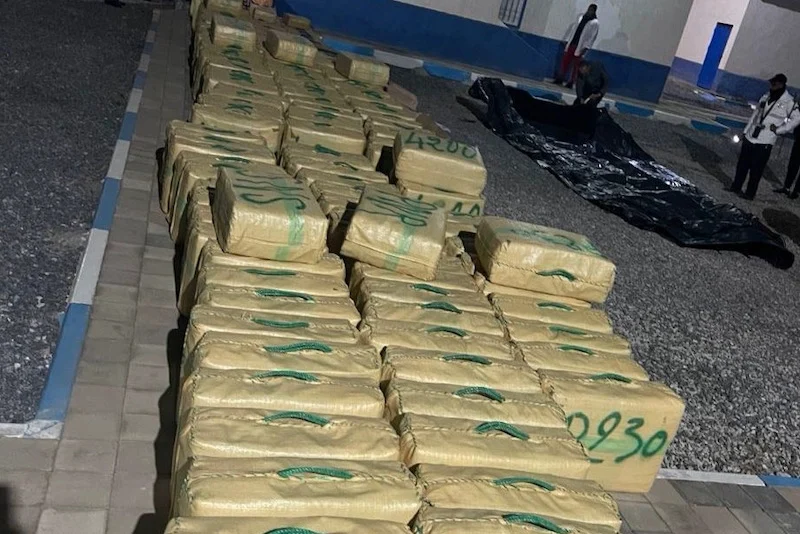
Despite the issuance of cultivation licenses, Boutaleb said around 400,000 Moroccans still rely on illegal cannabis farming, while only about 3,300 farmers have obtained legal permits, raising concerns about integrating traditional growers into the legal system.
Organizing legal cultivation could also help protect the environment, Boutaleb said, by reversing the deforestation and groundwater pollution caused by illicit mono-cropping practices. Morocco’s new cannabis law imposes strict standards on pesticide use and sustainable farming practices.
Success in this emerging sector, he emphasized, will depend on improving extraction technologies to meet international standards, integrating small farmers—particularly in the Rif region—and securing stable export channels to European markets.
Initial cannabis exports to Switzerland in 2024 and upcoming pharmaceutical projects are seen as promising signs, though Boutaleb cautioned that it is still too early to assess the full impact.
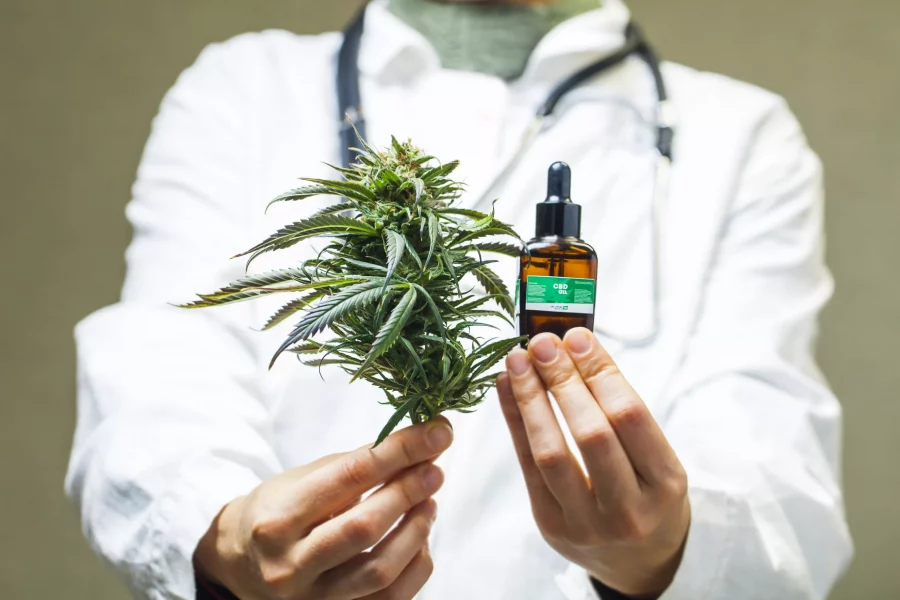
Pharmacologist Younes Kadil stressed the crucial role of scientific research in developing cannabis-based medicines. Kadil explained that the process starts by isolating active compounds such as THC and CBD, followed by efficacy and safety testing through experimental models and rigorous clinical trials.
Standardizing formulas and dosages is essential to ensure product quality, Kadil said, urging that legalization efforts be backed by strong scientific evidence and adherence to medical innovation ethics.
Participants unanimously agreed that advancing Morocco’s medical cannabis industry will require strong political will, robust collaboration between public and private sectors, and serious investment in research and human capital development.
The conference concluded with recommendations to accelerate reforms, integrate traditional growers, and build genuine international scientific partnerships to establish Morocco as a leading player in this vital field.




add your comment
Terms of publication : Not to offend the writer, people, sacred things, or attack religions or the divine self, and refrain from racist incitement and insults.