
A parliamentary fact-finding mission has released a damning report on the deteriorating conditions in Morocco’s university dormitories, revealing widespread neglect in housing, food services, health care, and campus safety. The findings have reignited debate over stalled university expansion projects and raised pressing questions about the government’s commitment to student welfare.
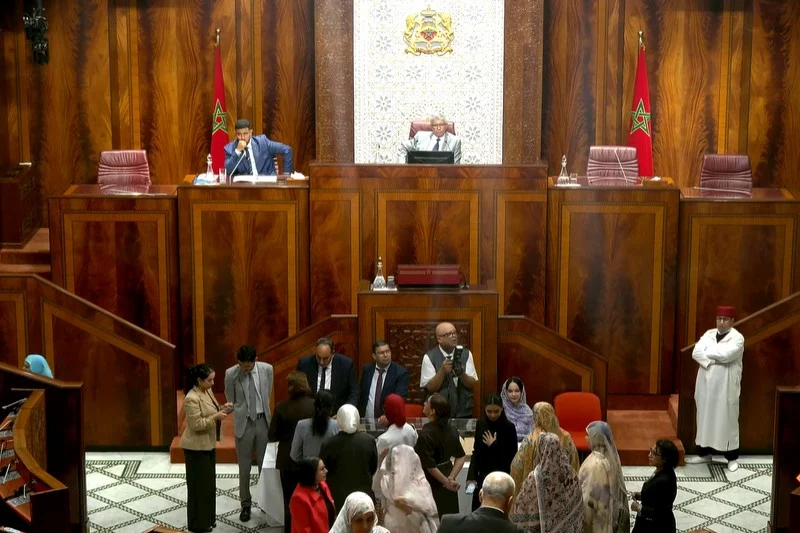
The final report, presented recently in the House of Representatives, sheds light on persistent issues that have plagued university residences for years, affecting tens of thousands of students across the country.
It also brings back into focus the halted implementation of “university nuclei”—smaller academic hubs envisioned through regional development agreements during the tenure of former Prime Minister Saadeddine El Othmani.
Substandard Food Services and Health Concerns
The investigative team noted severe shortcomings in food service management. According to the report, contracted catering companies frequently disregard the mandatory daily meal schedules outlined in their service agreements. Students reportedly receive as little as 60 grams of meat per serving, far below acceptable nutritional standards.
Initially acceptable at the start of the academic year, food quality reportedly declines in both quantity and standard as the year progresses. The report raised serious concerns about the absence of food safety oversight, noting that no documentation on the health inspections of delivered ingredients was provided during their visits.
Alarmingly, students at some dormitories reported feeling unusually drowsy after lunch, raising suspicions that food may be laced with substances inducing fatigue—claims that, while unverified, highlight a deep distrust in the food system. Long queues—often requiring a wait of at least 30 minutes—were also cited as a major issue.
Dormitory staff allegedly operate under the direct influence of catering companies, which may negatively impact the quality of service. In some cases, students have resorted to re-cooking meat served in dining halls to improve its edibility.
Overcrowded Rooms and Unsafe Conditions
On the housing front, the report revealed severe overcrowding. Rooms intended for four students often accommodate six or more due to informal “hosting” practices, where residents shelter peers who are denied official dormitory access.
The fact-finding delegation also flagged serious safety and maintenance issues, including unauthorized room occupation by students, poor responsiveness from maintenance services, unresolved electrical and plumbing failures, and entire dorm wings left unused despite evident demand.
Healthcare Services: Understaffed and Underequipped
The healthcare situation within student residences was described as severely under-resourced. In most dormitories, only two medical personnel are available, with students frequently complaining about the quality of care. Moreover, the absence of emergency medical staff and critical equipment like oxygen tanks further exacerbates the risks to student health.
Call for Reform and Accountability
Dormitory directors interviewed by the mission called for a reassessment of the current financial framework, noting that 23 dirhams (approximately $2.30) per meal may not suffice to ensure quality. They also urged the government to align student meal provision with the actual capacity of dining facilities.
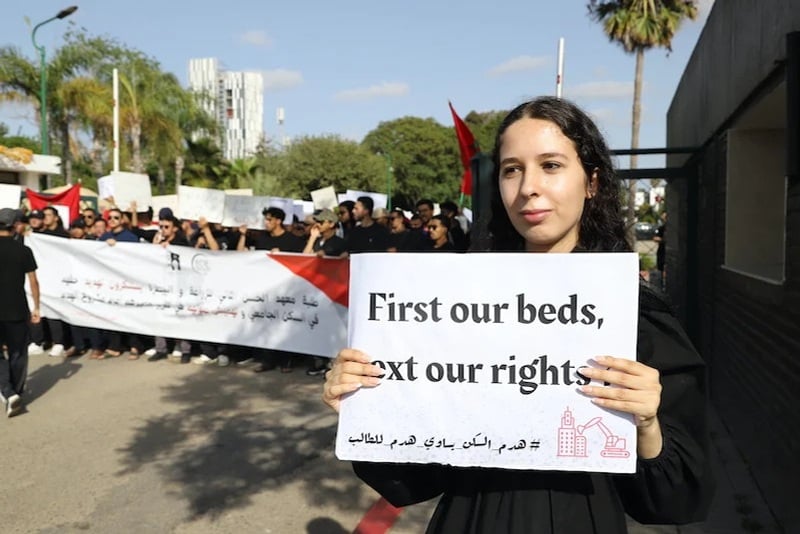
The report’s release has amplified calls for the revival of the “university nuclei” initiative and comprehensive reforms to upgrade dormitory infrastructure and services. Lawmakers and civil society observers are now watching closely to see whether these findings will lead to concrete action or join the long list of overlooked reports in Morocco’s education sector.
Without immediate intervention, the authors warn, the gap between policy and reality will only widen—leaving students to bear the consequences of a system that is failing to meet even their most basic needs.




add your comment
Terms of publication : Not to offend the writer, people, sacred things, or attack religions or the divine self, and refrain from racist incitement and insults.