
A new study has raised alarm over Morocco’s water management, accusing the country’s agricultural elites of exhausting scarce water resources to fuel export-driven farming—while domestic food insecurity and inequality deepen.
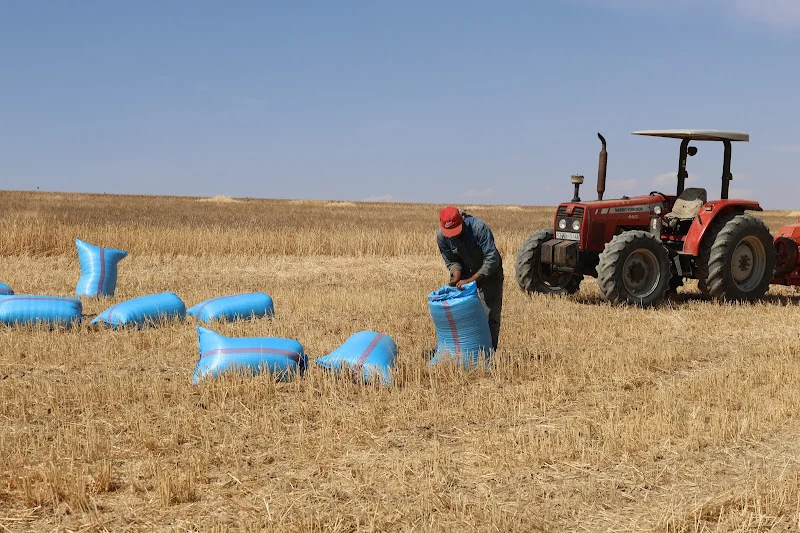
Despite a significant increase in agricultural exports over the past decade, following the rollout of the Green Morocco Plan, the study notes that less than 20% of Morocco’s cultivable land is irrigated.
Yet this small fraction consumes nearly 88% of the nation’s total water withdrawals, far surpassing the global agricultural average of 70%.
The research, conducted by Zakaria Elibrahimi, a sociology professor at Cadi Ayyad University in Marrakech and published by the Arab Reform Initiative, highlights how this water is largely diverted to support large landowners and agro-export enterprises.
These businesses, clustered in what the study calls “farming villages,” prioritize high-value, water-thirsty crops such as avocados and melons—often cultivated in arid regions.
While Morocco exports more fruits and vegetables than ever before, it increasingly relies on imports for essential staples like grains and legumes. At the same time, domestic food prices have soared. Fresh produce costs have doubled over the past decade, disproportionately affecting low-income households.
The study criticizes the state’s neoliberal shift toward water privatization, pointing to recommendations in the New Development Model which advocate for higher water prices and increased reliance on public-private partnerships.
Elibrahimi warns that such policies could aggravate inequality in a country where one in five citizens already faces difficulties accessing safe drinking water.
To reverse the trend, the paper proposes taxing large agribusinesses for water use and imposing levies on the tourism sector, another heavy water consumer. Hotels and resorts, the study argues, should be required to install wastewater treatment systems to minimize their environmental impact.
Elibrahimi also calls for urgent reforms in urban water use, including substituting treated wastewater for potable water in the irrigation of city parks and green spaces. This, he argues, would reduce pressure on critical freshwater sources.
A key recommendation is the enforcement of strict regulations on water use in arid zones, particularly the capping and monitoring of well drilling, which has depleted underground aquifers.
Ultimately, the paper urges Morocco to rethink its agricultural policy, shifting toward food sovereignty and sustainability. This means prioritizing less water-intensive crops, especially in water-scarce areas, and limiting exports of produce that are becoming increasingly inaccessible to Moroccan consumers.








add your comment
Terms of publication : Not to offend the writer, people, sacred things, or attack religions or the divine self, and refrain from racist incitement and insults.