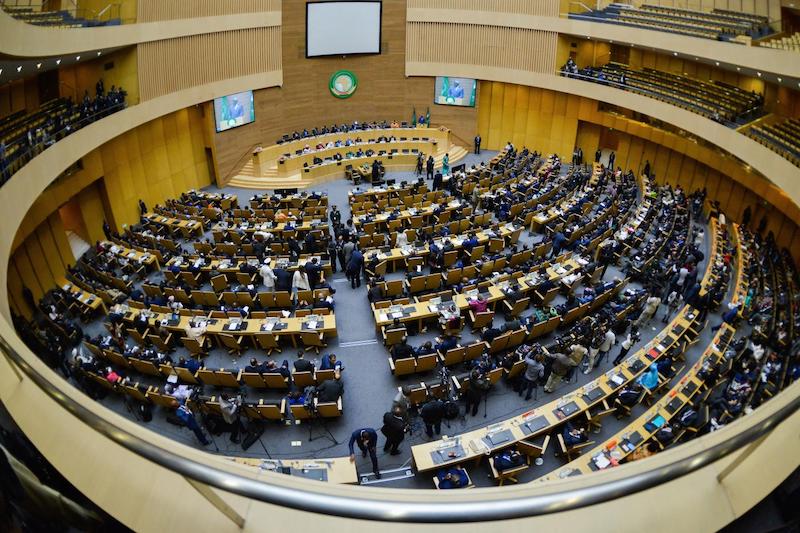
Morocco suffered a major diplomatic setback at the African Union (AU) — and it’s not just about losing elections, says a new policy paper by Policy Center for the New South.
In the most recent elections, Morocco lost two important positions: vice-president of the AU and its seat on the Peace and Security Council (PSC). Algeria won the vice-presidency, while Morocco’s candidate was knocked out after several rounds of voting.
That outcome left many in Morocco surprised, confused, and disappointed. But according to the paper, this wasn’t simply bad luck — it was the result of deeper, structural dynamics inside the AU.
Over the past few years, Morocco has risen fast within the AU, building influence through smart diplomacy, active involvement in peace and migration issues, and visible leadership roles.
But in doing so, it may have fallen into what analysts call the “trap of preeminence.” which means that when a country becomes too dominant, others begin to push back.
That’s exactly what happened this time. Despite Morocco’s strong track record — including chairing key AU meetings, launching a migration observatory in Rabat, and playing a central role in shaping peace and security policy — its growing visibility started to worry other member states.
Even allies seemed hesitant to let Morocco hold multiple top positions at once.
At the heart of the AU is a constant struggle for balance between powerful countries like Morocco, Algeria, South Africa, Nigeria, Egypt, and Ethiopia — sometimes called the “G6” — and smaller member states that fear being sidelined.
Elections often turn into power struggles where influence, alliances, and political deals matter more than credentials.
According to the paper, some countries may have felt Morocco was getting too much power, especially with one of its diplomats already serving as Director General of the AU Commission — the number three position.
Letting Morocco take the number two role seemed like overkill to many, especially to Algeria, which mobilized support early and framed the election as a chance to restore balance.
The vote for vice-president showed just how tight the race was. Morocco and Algeria each had 21 votes at the start. But over several rounds, more countries shifted to support Algeria’s candidate.
By the final round, Morocco was out, and Algeria had a clear lead. Some observers believe backroom promises and strategic lobbying played a role — a common feature in AU elections.
Yet one of the most surprising parts of the paper is that Algeria’s comeback was, in part, helped by Morocco’s own success.
With Morocco’s rising profile and a strong presence in the Commission, Algeria framed its campaign as a necessary counterweight — and it worked.
The paper urges Morocco to rethink how it builds influence in the AU. Being visible and ambitious is important, but so is reading the room.
Countries that move too fast or aim too high risk triggering resistance, especially in a system that relies on fragile alliances and constant balancing acts.






add your comment
Terms of publication : Not to offend the writer, people, sacred things, or attack religions or the divine self, and refrain from racist incitement and insults.