
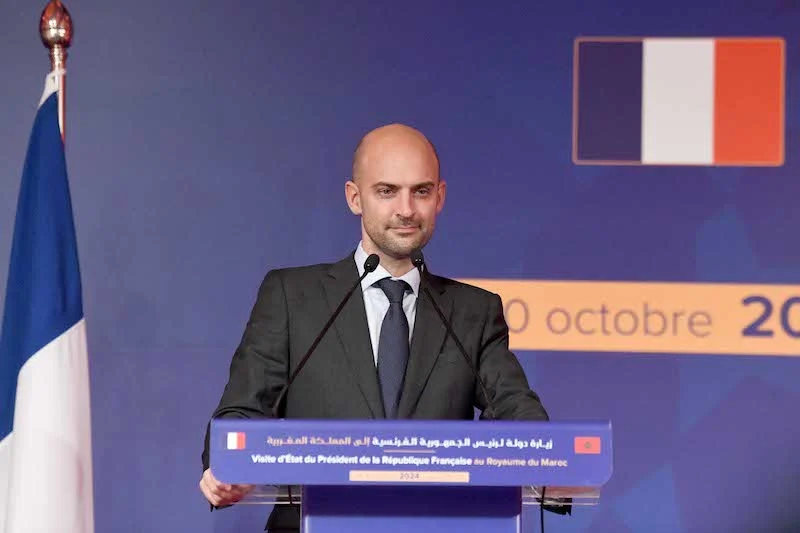
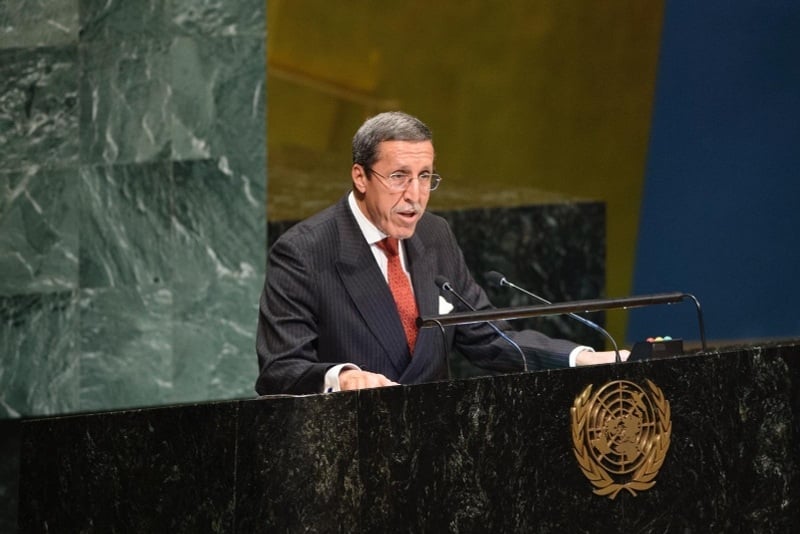
France’s presidency of the United Nations Security Council this month is expected to reinforce Morocco’s diplomatic position on the Sahara issue, as UN envoy Stéphane de Mistura prepares to deliver his semi-annual briefing. The session, scheduled amid shifting global dynamics, comes as France maintains its firm support for Morocco’s sovereignty over the Sahara and backs the autonomy plan as a viable resolution to the longstanding dispute.
France’s leadership of the Security Council in April carries significant political implications, particularly regarding discussions on the Moroccan Sahara. Analysts suggest that Paris’s stance aligns closely with Rabat’s position, offering an advantage as Morocco continues to assert its diplomatic gains.
Conversely, Algeria, a non-permanent member of the council, is expected to push its counter-narrative through diplomatic efforts. However, experts argue that its influence remains limited given the growing international consensus around Morocco’s autonomy initiative as the most practical and sustainable solution.
French Support for Morocco
Abdel Fattah Belamchi, president of the Moroccan Center for Parallel Diplomacy and Civilizational Dialogue, said France’s role in the Security Council strengthens Morocco’s position on the international stage.
“This presidency follows France’s clear stance on the Moroccan Sahara, as expressed in President Emmanuel Macron’s message to King Mohammed VI on Throne Day and reaffirmed during his visit to Morocco,” Belamchi told Hespress AR.
Macron, during a speech to the Moroccan Parliament, stated that “the present and future of the Sahara, as far as France is concerned, will always be under Moroccan sovereignty.”
Belamchi noted that France’s influence within the Security Council is significant, particularly as Morocco seeks to consolidate its diplomatic achievements and secure broader international backing for its autonomy proposal.
Addressing Algeria’s diplomatic efforts, Belamchi said that while Algiers has attempted to sway council discussions, its proposals have failed to gain traction among major global powers. He pointed to last year’s Security Council resolution on the Sahara, which omitted Algeria’s suggested amendments, as evidence of the shifting diplomatic landscape.
“The international community recognizes the need to move beyond outdated narratives that do not contribute to a realistic and lasting solution,” he said.
Belamchi also highlighted increased interest from major international investors in Morocco’s southern provinces, signaling growing recognition of the region’s economic potential. He suggested that additional countries may soon announce formal support for Morocco’s autonomy plan, further strengthening the kingdom’s position.
A Critical Security Council Session
Ramadan Massoud Al-Arabi, president of the Sahrawi Association for Human Rights, echoed these sentiments, describing France’s presidency as a pivotal moment for Morocco’s diplomatic efforts.
“This session presents an opportunity to reinforce Morocco’s stance on the Sahara, particularly given France’s unwavering support for the autonomy plan,” Al-Arabi said.
Al-Arabi, who also serves as a member of the Royal Advisory Council for Saharan Affairs, said Morocco would continue to emphasize its diplomatic and territorial gains in de Mistura’s briefing. He pointed to Morocco’s engagement with UN-led initiatives and contrasted it with what he described as Algeria and the Polisario Front’s obstructive tactics.
As global perspectives on the Sahara evolve, Al-Arabi said the international community increasingly recognizes Morocco’s autonomy initiative as the most credible path to stability and development in the region.
“Outdated proposals are losing relevance,” he said. “The focus now is on practical solutions that ensure security and economic growth, and the autonomy plan stands as the best option.”
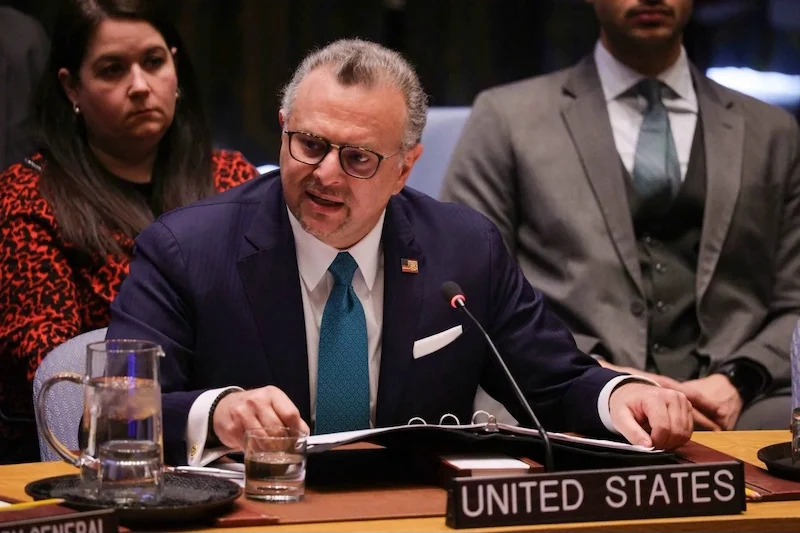
The Security Council’s deliberations on the Sahara come at a time when key international players, including the United States, the United Kingdom, Spain, and France, have signaled their support for Morocco’s approach. Analysts say France’s leadership this month could provide additional diplomatic momentum for Rabat as it seeks broader international consensus.



add your comment
Terms of publication : Not to offend the writer, people, sacred things, or attack religions or the divine self, and refrain from racist incitement and insults.